
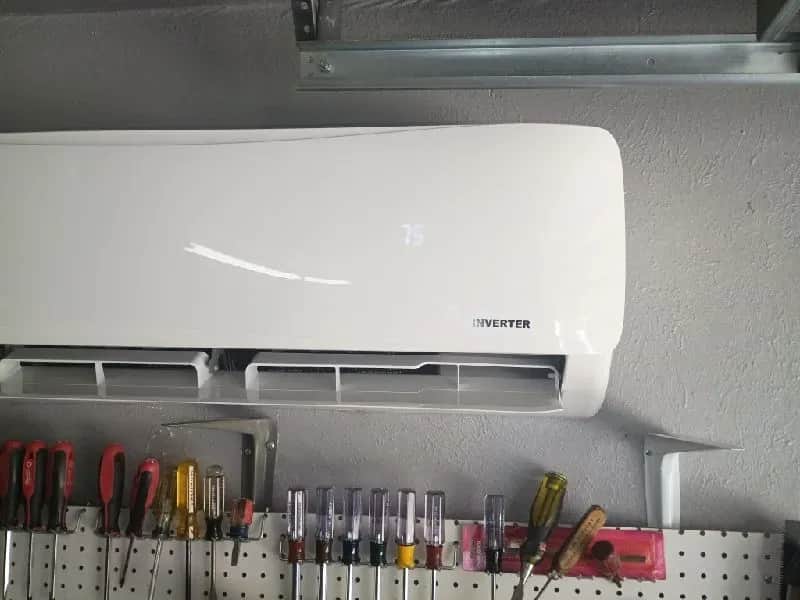
The Hidden AC Problem That Can Shut Down Your Entire System
How a clogged AC condensate drain line shuts down your air conditioner and causes water damage, and the maintenance that prevents it.
January 8, 2026

When homeowners notice their AC turned off unexpectedly, panic often sets in. Many assume the worst refrigerant leaks, compressor failure, or a thermostat malfunction. While those problems do happen, one of the most common reasons an air conditioner shuts off has nothing to do with major cooling components.
In fact, a small, often overlooked issue is frequently the reason an AC keeps turning off, an AC unit shuts off, or the air conditioner turns off by itself. That hidden culprit is a clogged condensate drain line.
This issue affects thousands of homes every year, especially in warm and humid climates. If your AC randomly turns off, your air conditioner keeps shutting off, or your AC switches on and off, understanding this problem can help you avoid breakdowns, water damage, and expensive repairs.
How the AC Condensate Drain Line Works
Every time your air conditioner runs, it removes humidity from the air inside your home. As warm air passes over the evaporator coil, moisture condenses into water similar to how water forms on the outside of a cold glass.
That water needs somewhere to go. Your system directs it into a condensate drain pan, then out through a small PVC pipe called the condensate drain line, typically ¾-inch in diameter. The line carries the water safely away from your home, usually to a drain or outside.
But when the line becomes blocked, your AC unit keeps turning off, your air conditioner switches off by itself, or your AC turns off by itself with no clear explanation.
Why Condensate Drain Lines Get Clogged
Condensate lines create a dark, damp environment perfect conditions for buildup. Over time, several materials can accumulate inside the pipe, including:
- Algae and mold growth
- Dust and dirt pulled from the air
- Sludge created by organic debris
- Insects or small debris entering outdoor drain exits
In humid areas, algae is the most common reason an AC shuts off repeatedly. Once the blockage worsens, water can no longer drain, causing the air conditioner to turn off unexpectedly.
What Happens When the Line Is Blocked
When the condensate line becomes blocked, water can no longer drain properly. As a result, it begins to collect in the drain pan. Once the pan fills beyond a safe level, several things may happen:
- Water may overflow and leak into your home
- Moisture can damage nearby components
- Safety switches may activate to prevent flooding
Homeowners often report, “My AC just stopped working,” or “My air conditioner suddenly stopped working,” even though the system itself is trying to protect the home.
Warning Signs of a Clogged AC Drain Line
Catching the problem early can save you time, money, and stress. Common warning signs include:
- Water Leaks Around the Indoor Unit: Puddles near the air handler or furnace are a major red flag. Even small drips can indicate a developing blockage.
- AC Suddenly Stops Running: If your system shuts off unexpectedly, especially during hot weather, a clogged drain line may be triggering a safety switch.
- Musty or Moldy Odors: Algae and mold growth inside the line can produce unpleasant smells that circulate through your home.
- High Indoor Humidity: When water isn’t draining properly, your system may struggle to remove humidity effectively.
How a Simple Clog Can Shut Down Your Entire AC System
Modern systems include safety mechanisms designed to prevent water damage. One of the most important is the float switch. Here’s what happens when the drain line is blocked:
- Water backs up into the drain pan
- The water level rises beyond normal limits
- The float switch activates
- The system shuts off automatically
This shutdown prevents overflow and water damage but it can leave homeowners confused when the AC suddenly stops working. In many cases, the thermostat may appear blank, unresponsive, or completely dead, even though the real issue has nothing to do with the thermostat itself.
The Risk of Ignoring the Problem
A clogged condensate drain line might seem minor, but ignoring it can lead to serious consequences:
- Water damage to ceilings, walls, or floors
- Mold growth inside your home
- Damage to electrical components
- Reduced system efficiency
- Premature AC failure
What starts as a simple maintenance issue can quickly turn into a costly repair if left unaddressed.
Preventive Maintenance Is the Best Defense
The best way to prevent an AC from shutting off repeatedly is routine maintenance. Professional service typically includes:
- Inspecting the condensate drain line
- Flushing the line to remove buildup
- Checking the drain pan and float switch
- Ensuring proper drainage flow
Many HVAC professionals recommend servicing the drain line at least once a year more often in humid environments.
Why Early Detection Matters
The earlier a clogged drain line is detected, the easier it is to fix. In most cases, clearing a blockage is quick and inexpensive when caught early. Waiting until the system shuts down or water damage occurs can dramatically increase ac repair costs.
By understanding this hidden AC problem, homeowners can take a proactive approach to system care keeping their air conditioner running efficiently and reliably when they need it most.
FAQ Videos

Is your home ready to face the chill? Trey from Team Enoch is here to guide you through the must-do winter prep for your plumbing.
Read More
Good, better, best. Goodman vs. Carrier vs. Traine. And, what is a variable speed system?
Read More
It doesn't need a tune up! Does your system need a tune up or full replacement?
Read More
Do you know what's supposed to be in an AC quote? Most people don't, and that's how they get charged for things later.
Read More
Here's the $5,000 rule we use for every call.
Read More
AC For $8,180. That's everything. Here's exactly what's in a real AC install quote no hidden fees.
Read More
How much does AC replacement actually cost in DFW? Don't have time? Get your estimate online!
Read More
Do you know what's in your AC quote?
Read MoreAbout Us
Trane vs. Goodman Air Conditioners: Which One Lasts Longer?
Team Enoch
January 16, 2026
9 Common Texas HVAC Problems and How to Fix Them
Team Enoch
December 4, 2025
How to Prevent AC Compressor Failure: 7 Warning Signs
Team Enoch
May 5, 2026
9 Must-Ask Questions Before Hiring an HVAC Contractor
March 17, 2026
Common HVAC Sales Scams and How to Avoid Them
Team Enoch
May 5, 2026
AC Tune-Up, Repair, or Replacement? How to Tell What Your System Needs
Team Enoch
September 30, 2026
Air Conditioning Repair Costs 2026 | What to Expect
Team Enoch
January 22, 2026
10 Common HVAC Problems You Can Avoid With Regular Maintenance
Team Enoch
September 3, 2025
How Often Should You Have Your Air Conditioner Serviced?
Team Enoch
September 2, 2025
October 6, 2026