
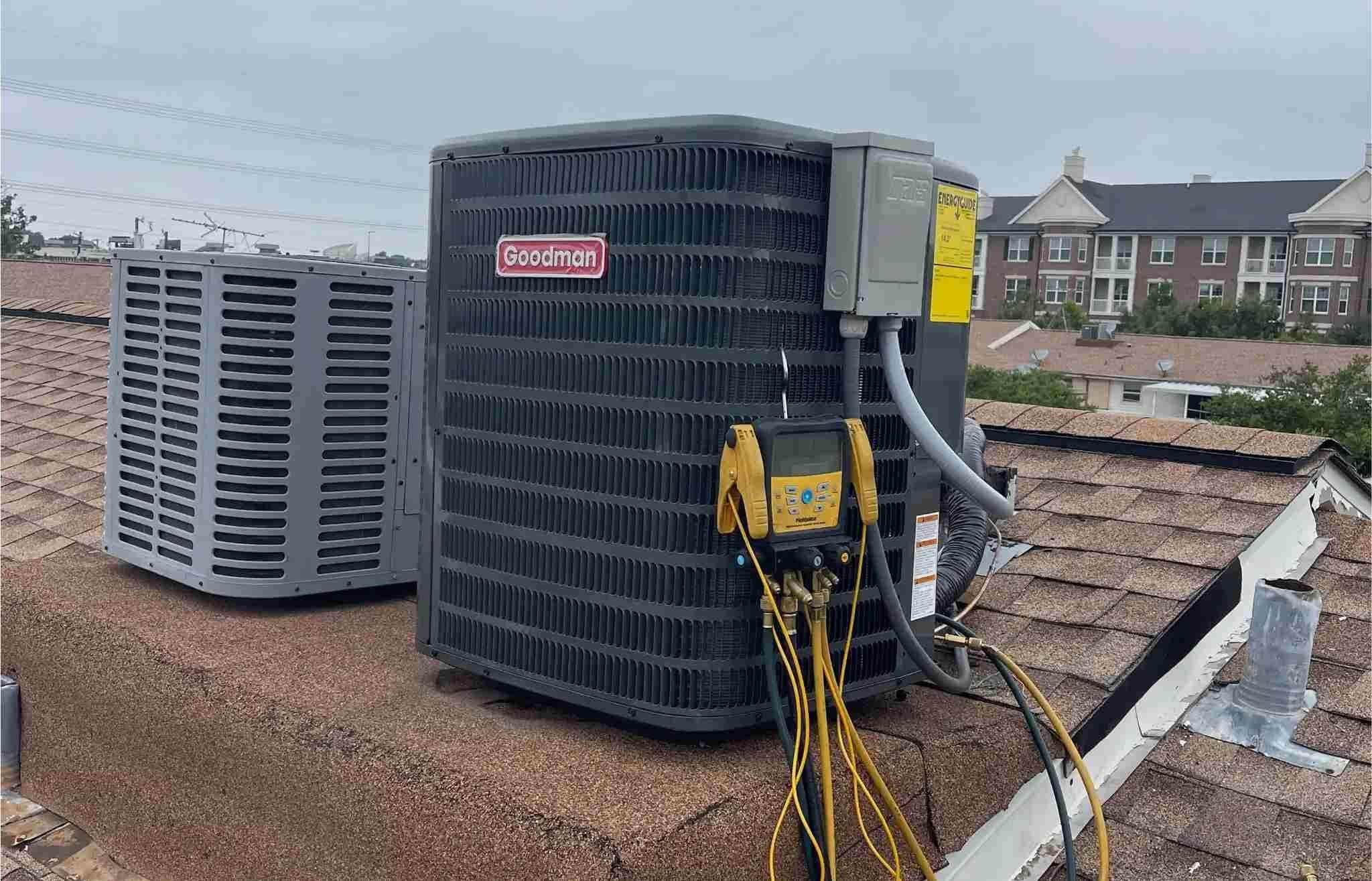
You did everything right.
You compared brands. Checked efficiency ratings. Read reviews. Got multiple quotes. Picked a contractor that saved you money.
The system gets installed… and at first, everything seems fine.
Then reality hits:
- Your energy bill goes up instead of down
- Some rooms are still hot or cold
- The system keeps turning on and off
- And within months, you’re calling for repairs
Here’s the truth most homeowners don’t hear:
It’s not the HVAC system. It’s the installation.
In 2026, this matters even more than ever before. Modern HVAC systems are highly advanced, but that also means they are less forgiving of installation mistakes. Even a high-end system will underperform, break down early, and waste energy if it’s not installed correctly.
What HVAC Installation Actually Means (Defined Clearly)
Most homeowners think HVAC installation just means “putting in a new unit.”
That’s only a small part of it.
HVAC installation is a complete process that includes:
- Designing the system for your home
- Selecting the correct system size
- Installing and sealing ductwork
- Connecting refrigerant lines
- Calibrating airflow and pressure
- Configuring thermostat controls
- Testing and commissioning the system
In simple terms: It’s not just installation, it’s engineering + setup + performance tuning.
This is why two homes with the exact same system can have completely different results.
Why Installation Quality Outweighs Equipment in 2026
This is where most homeowners get it wrong.
They focus on:
- Brand (Carrier, Trane, Lennox)
- SEER2 rating
- Price
But ignore the most important factor: who installs it and how.
1. System Lifespan & Warranty
A poorly installed HVAC system can:
- Fail years earlier than expected
- Damage key components like the compressor
- Void the manufacturer’s warranty entirely
Most manufacturers require proper installation and registration. If something goes wrong due to installation errors, you may have to pay out of pocket.
2. Energy Efficiency & Monthly Costs
Modern systems in 2026, especially inverter-based heat pumps, are designed for high efficiency.
But here’s the catch:
They only deliver those savings if they are:
- Properly sized
- Correctly charged with refrigerant
- Matched to ductwork
Otherwise, your “high-efficiency” system becomes just an expensive underperformer.
3. Comfort & Performance (Defined)
When installation is poor, you experience:
Short-cycling:
This means the system turns on and off too quickly without completing a full cycle.
- Causes uneven temperatures
- Reduces humidity control
- Wears out components faster
Uneven airflow:
- Some rooms too hot
- Others too cold
Poor indoor air quality:
- Dust, allergens, humidity increase
4. Reduced Repairs Over Time
A properly installed system:
- Runs smoothly
- Experiences less stress
- Needs fewer repairs
Improper installation leads to:
- Loose electrical connections
- Airflow restrictions
- Refrigerant leaks
Result: frequent breakdowns and higher maintenance costs.
Key HVAC Installation Factors (Explained for 2026)
Manual J Load Calculation (What It Really Is)
This is one of the most important, and most misunderstood, steps.
A Manual J calculation is a detailed analysis used to determine:
- How much heating and cooling your home actually needs
It considers:
- Square footage
- Insulation quality
- Window size and direction
- Ceiling height
- Climate conditions
- Air leakage
Why it matters:
Without it, contractors are just guessing.
And guessing leads to:
- Oversized systems → short cycling
- Undersized systems → constant running
Ductwork Integrity (Why It’s Critical)
Your ductwork is like the “delivery system” for your HVAC.
If ducts are:
- Leaky
- Poorly designed
- Unsealed
Then:
- 20–30% of air is lost before reaching rooms
- Energy bills increase
- Comfort drops
In 2026, proper duct sealing and testing is no longer optional — it’s essential.
Advanced Technology Setup (New in 2026)
Modern HVAC systems now include:
- Variable-speed compressors
- Smart thermostats
- Inverter technology
These systems require precise calibration.
If not configured correctly:
- Efficiency drops
- Performance becomes inconsistent
- System lifespan shortens
2026 HVAC Installation Costs (Explained Better)
Many homeowners think they’re paying for equipment.
In reality, a large portion of your cost is:
- Labor
- Installation expertise
- Materials (duct sealing, fittings, wiring)
Average Cost in 2026:
- Typical range: $11,000 – $14,000
- Full range: $5,000 – $18,000+
Important insight: Installation quality is what you’re really paying for, not just the unit.
A premium installer ensures:
- Proper setup
- Long system life (15+ years)
- Lower long-term costs
What Happens When Installation Is Done Wrong
Let’s break this down clearly:
Higher Energy Bills
Improper airflow or refrigerant issues force your system to work harder.
Shorter Lifespan
Components wear out faster due to stress.
Comfort Problems
- Hot/cold spots
- Poor humidity control
More Repairs
Early breakdowns become common.
Over time, a bad installation can cost thousands more than doing it right the first time.
Best HVAC Systems for Allergies
This is a growing concern in 2026.
What actually helps:
High MERV filters (11–13):
- Capture pollen, dust, pet dander
- Improve indoor air quality
Variable-speed systems:
- Run longer at lower speeds
- Filter more air continuously
Air purification add-ons:
- UV lights
- Whole-home air purifiers
Important: Even the best allergy system won’t work if airflow is poorly designed, again, installation matters.
R32 vs R410A (Why This Matters More Now)
This isn’t just a technical change, it affects homeowners directly.
R410A:
- Being phased out
- Less environmentally friendly
R32:
- Lower environmental impact
- Better efficiency
- Future standard
In 2026, choosing a system with R32 + proper installation = long-term savings. Also, HVAC systems are smarter, more efficient, and more advanced than ever.
But they are also more dependent on proper installation than ever before.
You’re not just buying equipment.
You’re investing in:
- Comfort
- Energy savings
- Long-term reliability
And all of that depends on one thing:
The quality of the installation.