

If you're asking "why does my air conditioner smell?" the answer almost always falls into one of four buckets: mold or moisture buildup inside the unit, a dirty air filter, an electrical problem, or a refrigerant leak. Musty odors are the most common and rarely dangerous, but burning or gas-like smells need immediate attention. This guide walks you through every common AC smell, what each one means, how to fix it safely, and when to call a pro.
AC Smells at a Glance: Quick Reference Table
Use this table to quickly identify what your AC is telling you. Severity: Emergency = stop and call for help. Urgent = shut down and call a pro today. Routine = safe to troubleshoot.
Smell | Most Likely Cause | Severity | Recommended Action |
|---|---|---|---|
Musty / dirty sock | Mold or mildew on coils or in drain pan | Routine | Clean coils, clear drain, replace filter |
Rotten egg / sulfur | Natural gas leak or dead animal in ducts | Emergency | Evacuate, call 911 and gas company |
Burning / electrical | Overheated motor or worn capacitor | Urgent | Shut off at breaker, call HVAC pro |
Burning plastic | Melted wire insulation or foreign object | Urgent | Shut off at breaker, call pro |
Sweet / chloroform | Refrigerant leak (Freon or Puron) | Urgent | Ventilate, shut off, call HVAC pro |
Vinegar / sour | Motor ozone, mold, or stagnant condensate | Routine | Replace filter, clean coils, flush drain |
Sewage | Dry P-trap or sewer vent issue near ducts | Routine | Run water in drains, check vent stack |
Dead animal / trash | Pest decomposing in ducts or condenser | Routine | Locate, remove, and sanitize |
Exhaust / oil | Motor lubricant leak or garage fumes | Urgent | Shut down, ventilate, call pro |
Cigarette / smoke | Tobacco residue in coils and filter | Routine | Replace filter, clean coils, clean ducts |
Skunk | Gas leak (mercaptan) or actual skunk near intake | Emergency | Treat as gas leak — evacuate first |
Wet dog | Moisture and bacteria in ducts | Routine | Dry ducts, clean coils, lower humidity |
Safety First: When to Stop and Call for Help
Most AC smells are nuisance issues you can solve in an afternoon. A few are not.
Evacuate immediately and call 911 or your gas company if you smell: rotten eggs or sulfur, a strong skunk-like odor with no skunk in sight, or any gas-like smell paired with hissing, dizziness, or nausea. Don't flip switches or use your phone indoors. Leave first, then call.
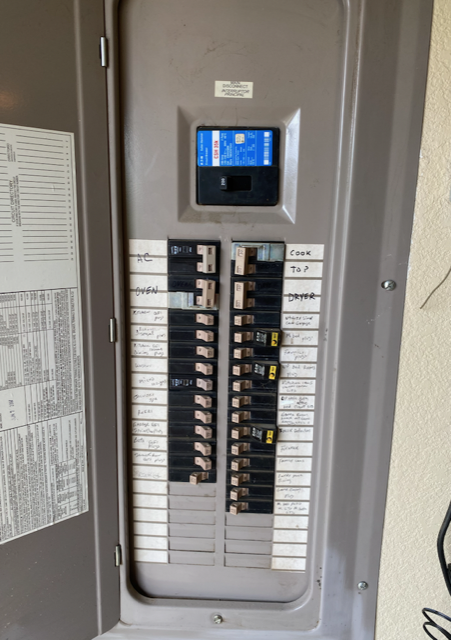
Shut off your AC at the breaker and call an HVAC pro today if you smell: burning plastic, hot electrical, melting rubber, smoke, oil, or a sweet chloroform-like odor that suggests refrigerant.
It's safe to troubleshoot yourself if you smell: musty or mildew odors, mild vinegar or sour smells, cigarette residue, wet-dog odors, or intermittent sewage smells.
When in doubt, lean toward calling a pro. AC repairs are far cheaper than fires or hospital visits.
12 AC Smells Explained & What Each One Means
Why Does My AC Smell Musty or Like Dirty Socks?
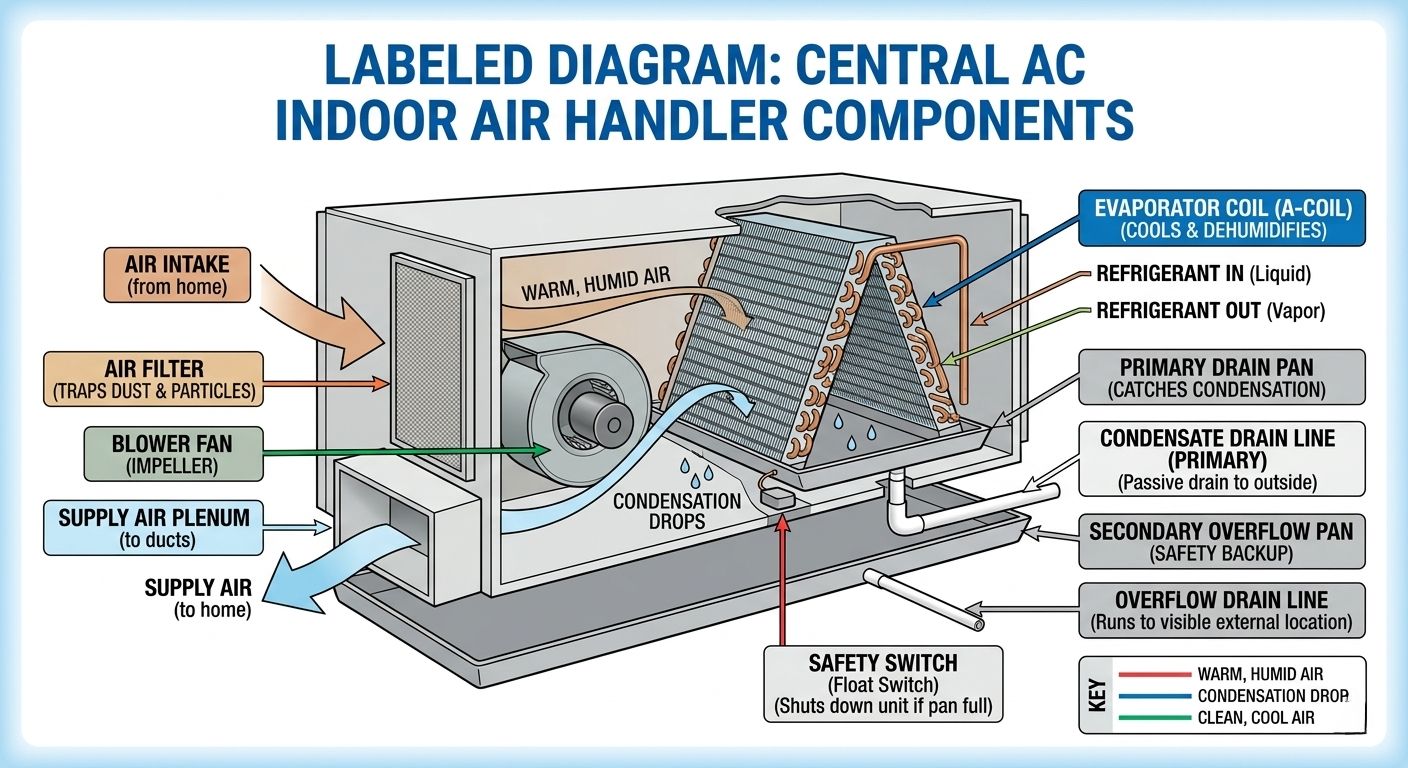
This is the most common AC complaint, the source of the famous dirty sock syndrome. The smell resembles damp gym clothes or laundry left in the washer. The cause is almost always mold, mildew, or bacteria on the evaporator coil, in the drain pan, or inside the ductwork. Your AC creates condensation as it cools, and if that moisture can't drain properly, biofilm grows on cool, dark surfaces.
Danger level: Low for healthy adults, worse for people with asthma or allergies.
What to do: Replace the air filter, pour a cup of distilled vinegar down the condensate drain line, and have a technician clean the evaporator coils if the smell persists. Long-term, address indoor humidity and check whether your unit is oversized. [link to: how to clean AC coils]
Why Does My AC Smell Like Rotten Eggs?
A sulfur or rotten-egg odor from your vents is one of the most serious AC smells. Utility companies add mercaptan to natural gas so leaks smell like rotten eggs. If your AC shares ductwork with a gas furnace, a leak near the system can pull that odor through your vents.
Danger level: Emergency. Natural gas is flammable, and exposure causes headaches, dizziness, and loss of consciousness.
What to do: Leave the house immediately. Don't turn lights on or off, use your phone indoors, or open an electric garage door. Call 911 and your gas company from outside. A less common cause is a dead rodent in the ducts, but always treat it as a gas leak until a professional clears the home.
Why Does My Air Conditioner Smell Like Burning?
A hot, acrid burning smell, like an overworked vacuum, usually points to an electrical problem. Common culprits include an overheating blower motor, a worn capacitor, frayed wiring, or a seized fan. Sometimes the smell is dust burning off the heating coil when you first switch from heat to cool in spring.
Danger level: Urgent. Electrical faults can cause fires.
What to do: Turn off the AC at the thermostat and the breaker. Don't run it again until a technician inspects it. If you see smoke or sparks, call the fire department. A persistent burning smell in an AC over 12 years old often signals a failing motor approaching end of life. So rather than repairing a worn-out motor, replacing the whole unit is often the smarter choice, and newer AC models are far more energy-efficient (SEER2 15+ vs. the old SEER 8–10), use modern refrigerants like R-32 instead of R-22, and run quieter with variable-speed compressors and smart-thermostat controls that older units lack.
Why Does My AC Smell Like Burning Plastic?
A sharper chemical version of the burning smell usually means wire insulation has melted, a plastic component near the blower has overheated, or a foreign object (a toy, a sock, insulation) has fallen onto the heat exchanger.
Danger level: Urgent. Melted plastic releases toxic fumes and signals active overheating.
What to do: Shut the system down at the breaker right away. Open windows to ventilate. Don't restart the unit until a technician finds and removes the source. With a window or portable AC, unplug it. Damaged wiring or plastic components should be replaced rather than patched, partial fixes tend to fail again, often worse the second time.
Why Does My AC Smell Sweet or Like Chloroform?
A faintly sweet, slightly chemical odor, sometimes compared to chloroform or nail polish remover, is the classic AC refrigerant leak smell. Modern R-410A is nearly odorless, but older R-22 (Freon) units can produce this scent when refrigerant escapes from a corroded coil or cracked line.
Danger level: Urgent. Refrigerant exposure can cause dizziness and nausea, and in confined spaces it can displace oxygen. It also damages the compressor if levels run low.
What to do: Ventilate the room, shut off the unit, and call a licensed HVAC technician. Refrigerant must be handled by a certified pro under EPA rules. Don't try to add refrigerant yourself.
Why Does My AC Smell Like Vinegar?
A sour, vinegary smell usually has one of three causes: an electrical motor producing ozone, mold growing in a humid system, or stagnant condensate in the drain pan. The acidic note comes from microbial waste or, less commonly, leaking thermostat batteries.
Danger level: Low to moderate.
What to do: Start with the easy fixes. Replace your air filter, clear the AC condensate drain line with a wet/dry vacuum or vinegar flush, and wipe out the drain pan. If the smell remains after a week, have a technician test the blower motor and inspect coils for mold. Pet owners and households in humid climates should expect this smell more often.
Why Does My AC Smell Like Sewage?
A sewage smell from vents is unsettling but usually has a simple cause: a dry P-trap in a nearby floor drain or a vent stack issue letting sewer gas into the home, then circulating through the duct system. Less commonly, a ruptured sewer line near the air handler is to blame.
Danger level: Low to moderate. Sewer gas contains methane and hydrogen sulfide — unpleasant but rarely dangerous in small amounts.
What to do: Pour a gallon of water down every floor drain, basement drain, and rarely used sink to refill P-traps. If the smell persists, call a plumber to inspect vent stacks before you blame the AC. Once the source is fixed, run the AC fan to flush the ducts.
Why Does My AC Smell Like a Dead Animal?
A foul rotting odor that gets worse when the AC runs almost always means a small animal, usually a mouse, rat, squirrel, or bird, has died inside the ductwork, the air handler, or the outdoor condenser cabinet. Pests sometimes nest in unused ducts and get trapped.
Danger level: Low health risk, but the smell is intense and can take weeks to fade.
What to do: Turn off the AC and follow your nose to the strongest spot. Check the outdoor unit, accessible ducts, and the air handler. Wear gloves and a mask to remove the carcass, then sanitize with a diluted bleach solution. For animals deep in the ductwork, hire a duct-cleaning service. Seal any obvious entry points to prevent repeat visits.
Why Does My AC Smell Like Exhaust or Motor Oil?
An oily or exhaust-like odor is unusual because air conditioners don't burn fuel. The most likely cause is a leak in the blower motor's lubricant or, in homes with attached garages, exhaust fumes being pulled into the return air. Rarely, the smell signals a major mechanical fault.
Danger level: Urgent. Vehicle exhaust contains carbon monoxide.
What to do: Shut off the AC and ventilate. Check whether a car was idling in the garage or near an intake vent. If the smell is mechanical and coming from the unit itself, call an HVAC technician immediately. Make sure your home has working carbon monoxide detectors on every level, they are inexpensive and absolutely worth the peace of mind.
Why Does My AC Smell Like Cigarettes or Smoke?
If you've moved into a home where the previous owners smoked, or you've recently quit, your AC can keep recirculating tobacco residue for months. Nicotine and tar coat the evaporator coil, blower wheel, and filter, then release back into the air whenever the system runs.
Danger level: Low, but third-hand smoke residue is an irritant.
What to do: Replace the filter with a high-MERV option, have the coils and blower wheel professionally cleaned, and consider full duct cleaning. An activated-carbon filter or an in-duct air purifier helps with stubborn residue. The smell rarely clears completely without coil cleaning, surface cleaning alone leaves the deepest deposits intact.
Why Does My AC Smell Like Skunk?
A skunk smell from your AC has two very different possible causes. The benign one: an actual skunk sprayed near your outdoor unit. The dangerous one: methyl mercaptan from a natural gas leak, which smells nearly identical to skunk to many people.
Danger level: Treat as Emergency until you confirm otherwise.
What to do: Evacuate and call your gas company. Only after they clear the home should you investigate the outdoor unit for skunk activity. If a skunk sprayed nearby, rinse the area with a mix of hydrogen peroxide, baking soda, and dish soap, and replace the filter. Never assume "it's just a skunk" without verification, the cost of being wrong is too high.
Why Does My AC Smell Like a Wet Dog?
A wet-dog or wet-fur smell from your AC is a milder cousin of the musty smell. It means moisture is collecting somewhere it shouldn't, usually in ductwork, on a damp filter, or in carpets near a return vent, and bacteria are feeding on it. Pet dander mixed with humidity makes it stronger.
Danger level: Low.
What to do: Replace the filter, vacuum return vents, and run the AC fan for 30 minutes after cooling cycles to dry the coil. Keep indoor humidity between 30 and 50 percent. A dehumidifier helps in damp climates, and a higher-MERV pleated filter traps more pet dander before it lands on the coil.
.jpg)
Top Causes Behind Smelly AC Units
Many different smells share the same handful of root causes.
Clogged air filter. A dirty filter restricts airflow, traps moisture against the coil, and harbors dust, dander, and microbial growth. It's behind musty, wet-dog, vinegar, and sour smells. A $20 filter solves more odor complaints than any other single fix. How to Clean and Maintain Your HVAC Filter
Dirty evaporator coils. The cold coil pulls moisture from your air. Dust sticks to the wet surface and feeds mold in air conditioner systems. Dirty coils reduce efficiency and produce strong musty or dirty-sock smells that filter changes alone won't fix.
Blocked condensate drain line. Every central AC has a small pipe that drains water away from the coil. When it clogs with algae, water backs up into the drain pan and stagnates. A clogged AC drain is the number-one cause of musty smells and water damage, and it can trigger a safety switch that shuts the unit down.
Mold in ductwork. Moisture, dust, and darkness create perfect mold habitat inside ducts. The smell often gets worse when the system first kicks on after sitting idle, which is why spring startups feel so unpleasant.
Refrigerant leak. Cracked or corroded refrigerant lines release a sweet, chemical odor and reduce cooling capacity. Always handled by a licensed tech under EPA rules.
Electrical faults. Worn capacitors, overheating motors, and damaged wire insulation produce burning, vinegar, or hot-plastic smells. These always need professional repair.
Dead pest or animal. Rodents, birds, and squirrels get into outdoor cabinets and duct openings. When they die, the smell is unmistakable and intense.
Oversized unit causing humidity issues. An AC that's too large cools quickly but doesn't run long enough to remove humidity. The damp environment encourages mold and musty smells.
Dry P-trap. When a floor drain near the air handler dries out, sewer gas seeps into the home and travels through ducts. A gallon of water solves it instantly.
Why Does My AC Smell When I First Turn It On for the Season?
Spring is the peak season for AC odor complaints, and the answer to "why does my AC smell when I turn it on" usually involves one of three things, sometimes all three.
Dust burn-off. Your AC's blower motor, electrical components, and ductwork collect dust during the months they sit idle. When you switch the system on after winter, that dust heats up and burns off, producing a sharp, slightly acrid smell. This is normal and should fade within 20 to 60 minutes of continuous operation. If the smell lasts longer than a day or shifts to burning plastic, shut the unit down and call a technician.
Stagnant moisture. A central AC drain pan, condensate line, and evaporator coil can hold leftover moisture from the previous cooling season. That trapped water becomes a breeding ground for mold and bacteria over the winter, and the first cooling cycle of spring pushes those microbes straight into your living space. The result is a sudden musty, dirty-sock, or wet-dog smell that wasn't there in fall.
Summer-start mold. Ductwork and registers also accumulate moisture from temperature swings during winter and spring. Combined with household dust, that moisture supports mold colonies that release spores when air starts flowing again. Homes in humid climates or with poor attic ventilation are most affected.
What to do at season startup. Replace the air filter before the first cooling day. Pour a cup of distilled white vinegar down the condensate drain line to kill biofilm that grew over winter. Wipe out the drain pan if you can access it. Vacuum return vents and supply registers, and run the system for 30 to 60 minutes on a mild day with windows open to flush dust and stale air. If smells linger past a week, schedule a professional tune-up like Team Enoch, we provide discounted spring service.
Does It Matter What Type of AC You Have?
Different system types are prone to different smells.
Central AC
Central systems have the most parts where odors can hide: long ducts, an evaporator coil, drain pan, condensate line, blower, and a separate outdoor condenser. AC smells musty complaints are most common here because of long, dark duct runs. Central units are also the only type where gas furnace leaks can travel through shared ducting. Annual professional maintenance, regular filter changes, and condensate line flushes prevent most issues. Duct cleaning every 3 to 5 years helps in mold-prone homes.
Window Unit
Window air conditioners are compact, which makes them easy to inspect but prone to moisture buildup since they sit partly outside. Musty and mildew smells dominate, especially in units that aren't tilted slightly outward to drain. Remove the front grille each season, wash the filter, vacuum the coils gently, and wipe out the base pan. If a unit develops a persistent musty smell despite cleaning, the foam insulation inside has likely absorbed moisture and the unit may need replacing.
Ductless Mini-Split
Mini-splits have no ductwork, which eliminates duct-mold and dead-animal issues, but the indoor head units have small drain pans and blower wheels that collect dust, pet hair, and biofilm. They're especially prone to air conditioner smells like vinegar and dirty-sock odors because their coils stay cold for long stretches. Clean the washable filters every 2 to 4 weeks, and have the blower wheel and coil professionally cleaned once a year. Many owners underestimate how dirty mini-split heads get.
Portable AC
Portable units vent through a hose to a window and hold condensation in an internal tank or drain it through a hose. Stagnant water in the tank is the main odor source, along with mold on the filter. Empty the tank after every use, wash the filter monthly, and store the unit fully dry in the off-season. Portable ACs are also most likely to develop burning smells if the compressor overworks in a hot room, give them breaks if they run constantly.
DIY Troubleshooting: How to Fix a Smelly AC Yourself
Try these five steps in order. Most odor problems resolve at step 2 or 3.
1. Replace the air filter. Locate the filter slot (usually on the return vent or in the air handler). Slide out the old filter, note the airflow arrow, and slide the new one in with the arrow pointing toward the unit. Replace every 1 to 3 months. Safety note: turn the thermostat off first so the system doesn't pull dust into the coil.
2. Clear the condensate drain line. Find the drain line outside (usually a white PVC pipe near the condenser). Attach a wet/dry vacuum to the end with a rag for a seal, run it for 1 to 2 minutes to suck out clogs, then pour a cup of distilled vinegar in the indoor access port to kill algae. Safety note: don't use bleach on metal drain pans, it corrodes them.
3. Clean the drain pan. Turn the AC off at the breaker. Open the air handler access panel and locate the drain pan beneath the evaporator coil. Sponge out standing water, wipe with mild soapy water, and rinse. Safety note: confirm power is off before reaching into the cabinet, and don't bend the coil fins.
4. Clean around the outdoor condenser. Turn off power at the outdoor disconnect box. Clear leaves, grass clippings, and debris from around and inside the unit. Spray the coils gently from inside out with a garden hose. Safety note: never use a pressure washer, it bends fins and damages the coil.
5. Clean accessible vents and registers. Remove each register cover, vacuum dust from inside the duct opening as far as you can reach, wash the cover in soapy water, dry fully, and reinstall. Safety note: don't insert anything sharp into the duct.
[IMAGE: technician inspecting outdoor condenser unit]
Health Risks of a Smelly AC
Most AC smells are unpleasant but not immediately dangerous. A few carry real health risks.
Mold and mildew exposure. According to the EPA, indoor mold can trigger asthma attacks, allergic reactions, sinus infections, and persistent coughing. The CDC notes long-term exposure is linked to upper respiratory symptoms in healthy people and more serious lung infections in those with weakened immune systems.
Refrigerant exposure. Inhaling leaked refrigerant in a closed space can cause headaches, dizziness, nausea, and in severe cases irregular heartbeat or asphyxiation. Skin contact can cause frostbite.
Carbon monoxide risk. AC units don't produce CO directly, but smells suggesting exhaust, gas leaks, or shared ductwork with a malfunctioning furnace can indicate CO is also present. CO is colorless and odorless. Every home should have working CO detectors.
Who's most vulnerable. Children, elderly adults, pregnant people, those with asthma or COPD, and anyone immunocompromised should take AC odors more seriously. If symptoms appear, leave the home, ventilate, and call a doctor.
What Will It Cost to Fix a Smelly AC?
Repair costs vary by region, unit size, age, and accessibility. Typical 2025 U.S. ranges:
- Air filter replacement (DIY): $15–$50
- Coil cleaning (professional): $100–$400
- Condensate drain line clearing: $75–$250
- Refrigerant leak detection and repair: $200–$1,500
- Blower motor or capacitor replacement: $150–$650
- Full duct cleaning: $300–$1,000
- Annual maintenance tune-up: $80–$200
Get at least two quotes for repairs over $500, and ask whether the technician is NATE-certified.
How to Prevent AC Smells in the Future
- Change air filters every 1–3 months (more often with pets or allergies)
- Schedule a professional tune-up every spring
- Pour distilled vinegar down the condensate drain line every 2–3 months
- Keep a 2-foot clearance of plants and debris around the outdoor condenser
- Run the system fan for 15–30 minutes after each cooling cycle to dry the coil
- Consider a UV light near the evaporator coil if you live in a humid climate
- Upgrade to a MERV 11 or 13 filter if your system supports it
- Keep indoor humidity between 30 and 50 percent
When to Call a Professional
- You smell rotten eggs, sulfur, or skunk (call the gas company first)
- The smell is burning plastic, hot electrical, or smoke
- You suspect a refrigerant leak (sweet, chloroform-like odor)
- The system is short-cycling, freezing up, or making grinding noises
- A musty smell persists after replacing the filter and clearing the drain
- You see visible mold inside the air handler or on registers
- The unit is over 12 years old and odors keep returning
- Anyone in your home is having unexplained respiratory symptoms
Frequently Asked Questions
Is it safe to run my AC if it smells musty? A mild musty smell isn't an emergency, but running the system spreads mold spores. Replace the filter and clean the drain line as soon as possible. If anyone in your home has asthma or allergies, turn the system off until you address the source.
Will the smell go away on its own? Dust burn-off smells fade within an hour. Every other AC smell sticks around until you fix the underlying cause. Musty, vinegar, and dead-animal odors get worse over time as moisture and bacteria build up.
Can a dirty filter really make my AC smell? Yes. A clogged filter traps dust, moisture, dander, and microbes, and forces air past whatever is trapped. It's the most common cause of mild AC odors and the easiest fix.
Why does my AC smell worse at night or in humid weather? Cooler temperatures and high humidity slow evaporation, so moisture lingers on the coil and in the drain pan. Bacterial activity also rises in warm, damp conditions, intensifying musty smells.
How do I tell mold from dust? Dust smells dry and papery and fades quickly. Mold smells damp and earthy and gets stronger over time. Visible black, green, or fuzzy growth inside vents or on the coil is mold, not dust.
Can I clean my AC with vinegar? Distilled white vinegar is safe for flushing condensate drain lines and wiping drain pans. Don't pour it on the coil or electrical components. For coils, use a no-rinse foaming coil cleaner.
Does running just the fan help? Yes, briefly. Running the fan after cooling cycles dries the coil and reduces musty smells. Running it continuously in humid weather, though, can re-evaporate moisture from the coil and make humidity worse.
How often should I clean my AC to prevent odors? Filters every 1–3 months, drain line every 2–3 months, coils and a professional tune-up once a year, and duct cleaning every 3–5 years for most homes.
Why does my AC smell only sometimes? Intermittent smells usually mean the source is intermittent, a dry P-trap that refills when water runs, mold that activates in humid weather, or dust that burns off and stops.
Can a smelly AC make me sick? It can. Mold exposure causes respiratory symptoms, refrigerant exposure causes neurological symptoms, and gas leaks are life-threatening. If you feel sick when the AC runs and better when it's off, the system is likely the cause.
Conclusion
So, why does my air conditioner smell? Almost always, it's a fixable problem, a tired filter, a clogged drain line, or moisture sitting where it shouldn't. The musty smells get the most complaints but are the easiest to solve. The serious smells (rotten egg, burning, sweet chemical) are rarer but demand quick action. Either way, you have the information to act with confidence. Start with the DIY checklist above, replace your filter today if you haven't recently, and schedule a professional tune-up before the next cooling season. Your nose, your lungs, and your AC will all thank you.