Everything You Need to Know Before Investing in a Power Generator
So you’re looking for a new generator? Wondering what type and size is right for you? Confused about what are the different types of generators?
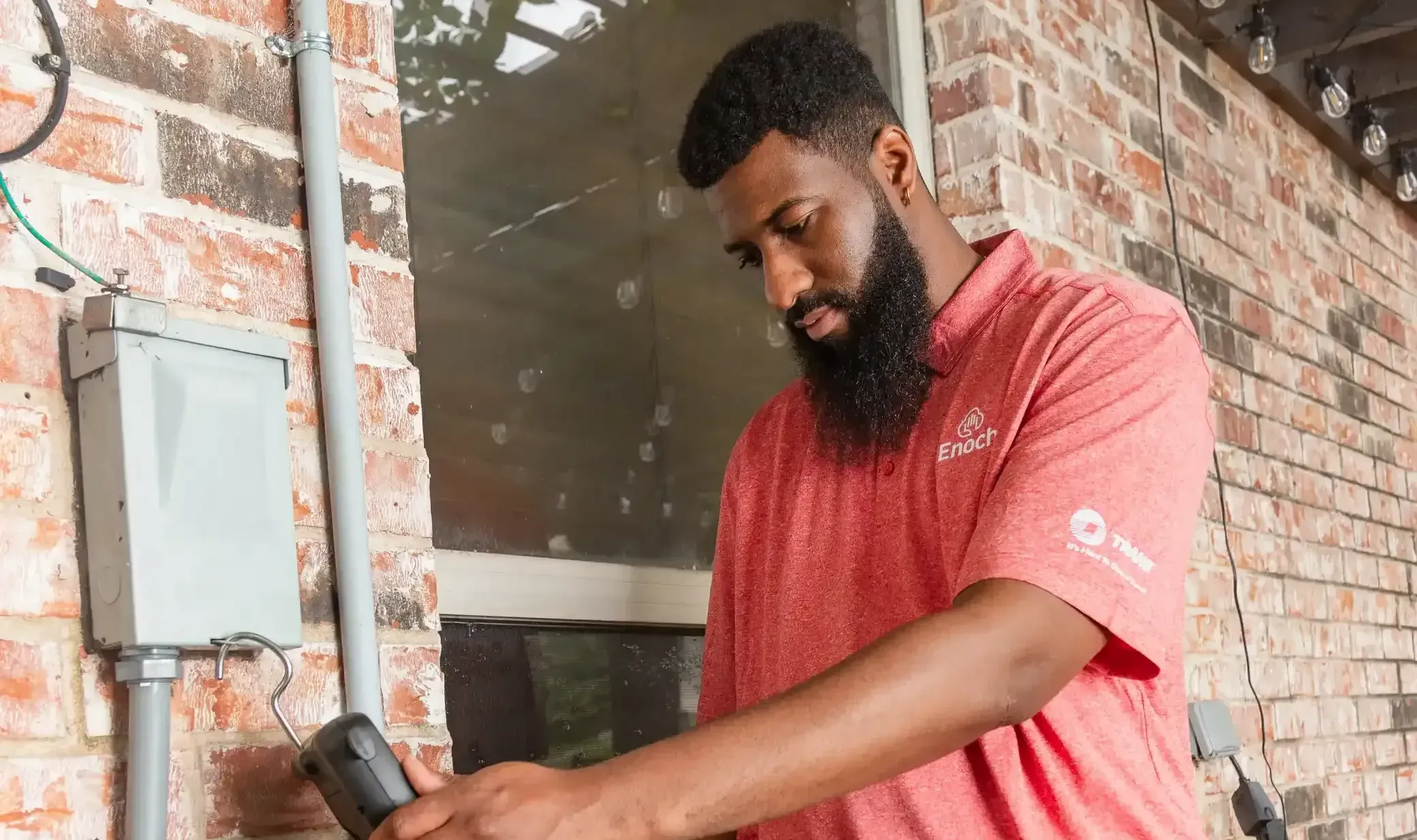
Lucky for you, you’ve found us! At Team Enoch, we know the ins and outs of generators, from a small portable generator to a large whole-home generator. Figuring out what kind of generator you need can be tricky, but we’re here to help you through it.
Over the years, we’ve discovered that there are a few factors that most people consider when looking for a power generator.
- Type of generator
- Size of generator
- Generator connection
- Cost
Below we’ll walk you through each of these considerations so without further adieu, welcome to our all-inclusive Generator Guide!
Should I Consider a Home Generator?
We know that a generator can be a big decision, so we’ve listed some factors worth considering if you’re looking into investing in one!
You might need a generator if…
- You have temperature-regulated medicine like insulin
- You use an electronic health machine like a ventilator or CPAP
- Anyone in your home is susceptible to heat flashes, or overheats easily
- You have an electric HVAC system, and the lack of heat could lead to frozen pipes
- You use well water or have an in-home water filtration system
- Your basement or crawlspace has a sump pump to keep water out
- You have an in-home charger for your electric or hybrid vehicle
- You want to maintain your lifestyle; working from home, connection to the internet, and easy access to entertainment
What Kind of Generators Exist?
There are three primary types of generators, and they each have their pros and cons. Going back to our list of common considerations, let’s first walk through the types of generators that are available!
- Type of generator
- Size of generator
- Generator connection
- Cost
Portable Generators
Portable generators are small, moveable generators that are fuel-powered.
Pros
- Easily moved
- Cheaper than Standby Generator
- Chose which fuel you want (propane and gasoline)
- Multipurpose (camping, tailgates, outdoor parties, working at night)
Cons
- Takes time to set up when you need it
- Limited fuel storage
- Limited power capacity
- Noisy, heavy, consume large amounts of fuel
Basically, portable generators are great if you don’t need backup power often, or for very long, and in small capacities. They will not be strong enough to power an entire home, and the demand for fuel means you should always have enough backup fuel for when you do start running it.
Standby Generators
Also known as a whole-home generator, this type of generator is permanently installed and wired into your home's electrical system. They are fueled by connecting to your home’s natural gas line for an indefinite fuel supply.
Pros
- Provides enough power to run an entire home
- Automatically turns on when power goes out
- Designed to work in tandem with power-sensitive electronics
- Safer than working with gasoline
Cons
- Requires professional installation
- May require a permit
- More expensive than Portable Generator
- Needs regular maintenance
Battery- Powered Generators
The third type of generator is a battery-powered generator. They vary way more than Portable and Standby Generators, as they come in a wide range of sizes and power capabilities. If your home has solar panels, you can pair your battery-powered generator with them or charge them by utilizing household appliances.
There are two primary models of battery-powered generators; portable and permanent.
Portable Power Stations
- Combine a battery + inverter
- Can carry or wheel
- Commonly have 1+ AC outlet, 12 volt DC and USB outlets
- Useful for camping & keeping small devices powered
- Not powerful enough for large devices/ appliances
Permanent Install Battery Systems
- Designed to power an entire home (or the most important parts)
- Permanently wired into your home
- Automatically turns on when power goes out
- More expensive
- Limited capacity if not consistently connected to a power source for recharging (such as solar panels)
What are 'Generator Sizes'?
Generator sizes are all measured in ‘watts’, which is the universal standard for measuring electrical power. ‘Power output’ is the amount of energy an electric device fuels to the recipient device, and each generator has its own power output capability.
Most portable generators have a capacity of 1000-3000 watts, while whole-home generators can have a capacity of 10,000 watts or more. The more watts, the more devices you can run.
How to Establish Your Power Needs
With an understanding of generator basics now established, we can get to work determining how much power you need for your home. Remember, the four most common factors in determining the right generator for you are…
- Type of generator
- Size of generator
- Generator connection
- Cost
And because we just went through the different types of generators, we’re now going to look at power.
What are Your Power Priorities?
Most appliances in your home require electricity. When the power goes out, are you looking to keep everything running or just your refrigerator or freezer? Do you want to be able to run your AC/ Heating system or just charge your phone? Which appliances, rooms in your home, or individual items are most important to you? The answer will vary from person to person.
A Guide to Common Appliance Wattage
The numbers below are not exact but should give you a rough estimate of how much power each appliance takes to run. Use this guide to help determine how much power you might need to have available.
- Refrigerator or freezer: 600-800 watts
- Portable heater: 1,000-1,500 watts
- Central air conditioning: 3,500-5,000 watts
- Window air conditioner: 1,000-1,500 watts
- Lamps: 5 to 75 watts per bulb (LED lights will use significantly less power than incandescent bulbs)
- Computer or laptop: 60 to 250 watts
- Wireless router: 5 to 20 watts
- Computer or laptop: 60 to 250 watts
- Flatscreen TV: 100-150 watts
If you have other items you’d want to keep operable during a power outage, you can search your appliance’s make and model online, or check the data plate on the back of the appliance. Once you've made a list of devices you want to be powered, add the wattage requirements of the devices together to determine your requirements.
We recommend using this generator wattage calculator, produced by generator manufacturer Generac, which will help you calculate your total appliance wattage.
Connecting a Generator to Your Home
So now we have the type and size of your potential generator established. The next thing to review is the third thing on our list of common factors.
- Type of generator
- Size of generator
- Generator connection
- Cost
Extension Cords
Extension cords are most commonly used with portable generators that only power small devices, but they come with a few safety considerations.
Extension cords are probably not the best if you…
- Have someone that could trip on the cord, like an elderly friend or family member, kids or pets
- Often have wet ground, as this increases the risk of electric shock
- Have exposed insulation that can melt from contact with light-duty extension cords
Interlock Switches
Next, we have an interlock switch which are most commonly used with portable generators. This mechanical switch prevents power from your generator from back-feeding into the electric grid. An ‘electrical back feed’ is when the flow of electricity is reversed, causing an electrical pulse to flow down the cord, a very dangerous thing.
This is a manual operation, meaning that when the power goes out, you will need to go switch your power source. Once you've engaged the interlock, simply plug the output of your generator into a designated electric outlet in your home, then turn the circuits you'll want to use on and off as you need them.
You can learn more about generator interlocks in this article
Transfer Switches
Transfer switches are the best automatic option for whole-home generators. Transfer switches are installed via a separate fuse panel that feeds electricity to the circuits you've decided to power.
Smart Electric Panels
Lastly, we have smart electric panels, which are great for battery-powered generators. These panels monitor power draw and let you control power distribution in your home through a smartphone app.
Interested in learning more? Check out our Smart Electric Panel article
... So What Now?
At this point, you’re basically a generator expert! Coming full circle, let’s look at the main considerations again.
- Type of generator
- Size of generator
- Generator connection
- Cost
When it comes to cost, we want to make sure that we are able to give you the very best pricing options. But because cost changes so often and varies depending on the type and size of generator that’s best for you, the best way we can let you know what it’s like is by getting in contact with you!
Ready to take the next step? Reach out to us and we can help you get the process started! Get a quote here! Still have some more questions? Reach out anyway! Our technicians are ready and would love to help you figure things out.
Until next time,
Team Enoch