
What Is SEER and Why Does It Matter for Your Air Conditioner?
SEER rating explained for homeowners. Discover how AC efficiency affects energy bills, comfort, regulations, and long-term system value.
January 22, 2026

Choosing an air conditioner is no longer just about size or brand. Energy efficiency plays a major role in performance, operating costs, and long-term value. One of the most critical efficiency measurements you’ll encounter is the SEER rating. Homeowners frequently ask what is SEER rating, what does the SEER rating mean, and how it affects energy bills and comfort.
The SEER rating meaning is essential to understand because it directly reflects how efficiently your air conditioning system cools your home over time. Whether you are replacing an older system or installing a new one, knowing how SEER ratings work can help you make a smarter investment.
This in-depth guide provides a complete SEER rating explained overview, covering definitions, HVAC applications, energy savings, comfort impact, regulations, and how to choose the right SEER rated air conditioner for your home.
What Is SEER Rating?
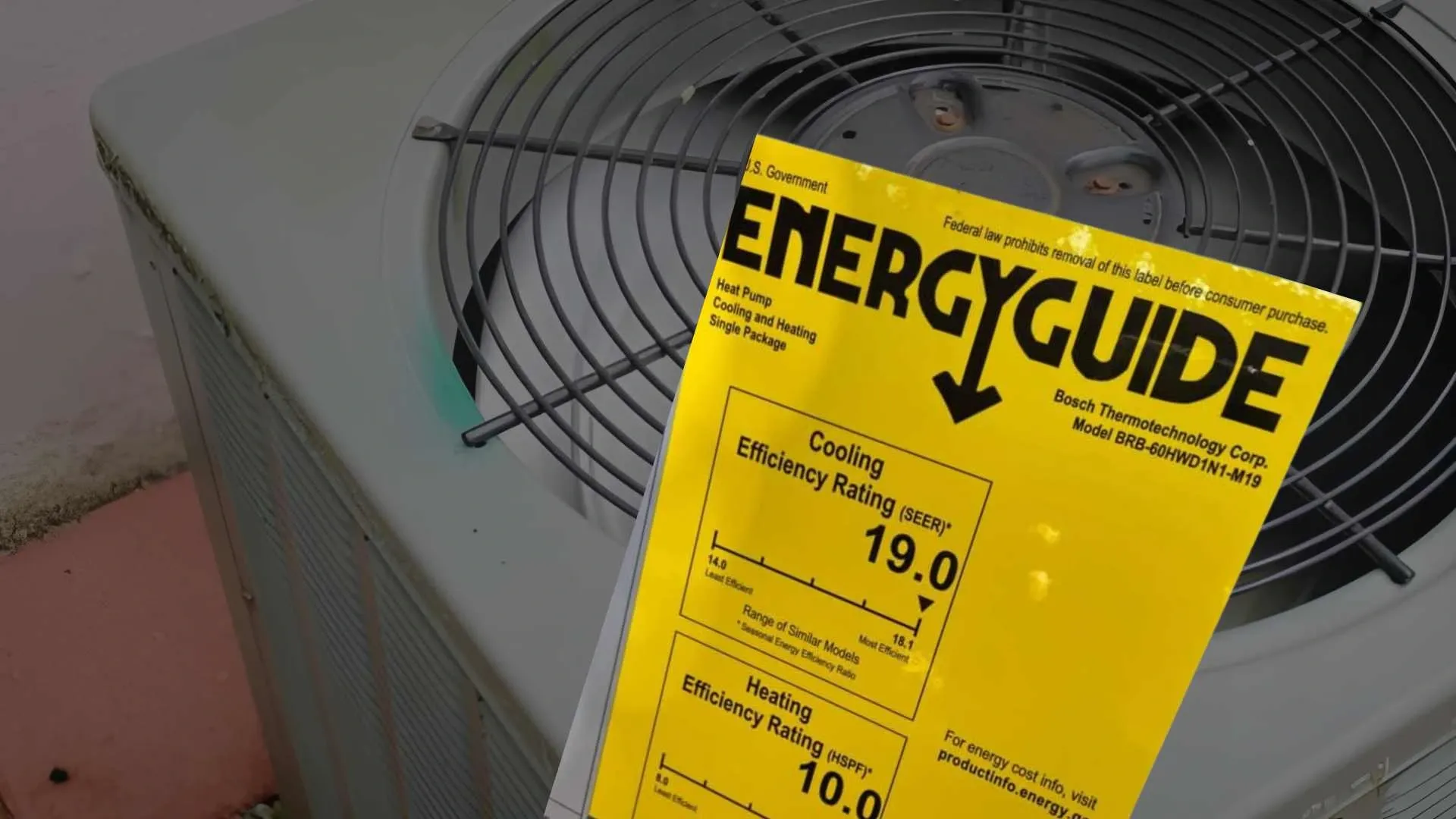
What is a SEER rating? SEER stands for Seasonal Energy Efficiency Ratio, a standardized metric used to measure the cooling efficiency of air conditioners and heat pumps.
The SEER rating definition is calculated by dividing the total cooling output of an air conditioning system over an entire cooling season by the total electrical energy it consumes during that same period. In simpler terms, to define SEER rating, it measures how much cooling you get for every unit of electricity used.
So, what does SEER rating mean? A higher SEER number means the system delivers more cooling with less energy, making it more efficient and less expensive to operate.
Seasonal Energy Efficiency Ratio Explained
To fully grasp SEER rating meaning, it helps to define seasonal energy efficiency ratio in practical terms. Unlike older efficiency measurements that tested systems under constant laboratory conditions, the seasonal energy efficiency ratio accounts for real-world temperature changes throughout the cooling season.
This makes the SEER efficiency rating far more useful for homeowners. It reflects how an air conditioner performs on mild days, extremely hot days, and everything in between. That’s why SEER ratings are the preferred standard for comparing air conditioning efficiency today.
What Is the SEER Rating for AC Systems?
A common question homeowners ask is what is the SEER rating for AC units? The answer varies based on system age, technology, and regional efficiency requirements.
Typical SEER rating AC ranges include:
- Older systems: 8–10
- Minimum modern standards: 13–14
- Mid-efficiency systems: 15–16
- High-efficiency systems: 17–20+
Understanding what is the SEER rating of your current air conditioner can help you estimate how much energy and money you could save by upgrading.
SEER Rating in HVAC Systems
What is SEER rating in HVAC systems? In HVAC applications, SEER applies specifically to cooling equipment such as central air conditioners and heat pumps when operating in cooling mode.
HVAC SEER rating standards are regulated and have increased over time as technology improves. Higher minimum HVAC SEER ratings ensure that new systems consume less energy while delivering better cooling performance. This shift benefits homeowners through reduced utility costs and improved environmental sustainability.
Air Conditioner SEER Rating Explained
An air conditioner SEER rating provides a direct way to compare efficiency between models. The air conditioner SEER rating definition gives consumers a consistent benchmark to evaluate energy use.
For example, a system with an AC SEER rating of 16 is significantly more efficient than one rated at 13. Choosing a SEER rated air conditioner means lower electricity usage while maintaining the same indoor comfort level.
SEER Efficiency and Energy Cost Savings
Energy savings are one of the primary reasons SEER ratings matter. Higher SEER efficiency directly translates to lower electricity consumption during the cooling season.
Key benefits of a higher SEER efficiency rating include:
- Reduced monthly cooling costs
- Lower peak energy demand
- Improved long-term return on investment
In warmer climates or homes with long cooling seasons, selecting a higher SEER rating for AC systems can result in substantial lifetime savings.
What Does the SEER Rating Mean for Indoor Comfort?
Many homeowners don’t realize that what the SEER rating means goes beyond energy efficiency. High-efficiency systems often include advanced technologies such as variable-speed compressors, two-stage cooling, and enhanced airflow control.
These features allow a SEER rated air conditioner to maintain steadier indoor temperatures, better humidity control, and quieter operation. As a result, a higher SEER efficiency rating often improves overall comfort, not just energy performance.
SEER Rating Explained in Real-World Conditions
Although SEER ratings provide an excellent efficiency benchmark, real-world results depend heavily on installation quality. Even the highest HVAC SEER rating system can underperform if improperly sized or installed.
Factors that affect real-world performance include:
- Ductwork design and sealing
- Home insulation quality
- Thermostat settings and usage habits
This is why understanding the SEER rating explained should always be paired with professional HVAC evaluation and installation.
SEER Efficiency Rating vs. Upfront Cost
A common concern when choosing an air conditioner is cost. Systems with higher SEER ratings typically come with higher initial prices. However, the improved SEER efficiency often leads to lower operating costs over time.
When evaluating the value of a SEER rated air conditioner, consider:
- Expected energy savings
- Length of the cooling season
- System lifespan and warranty coverage
In many cases, a mid-to-high SEER efficiency rating provides the best balance between affordability and long-term savings.
What Is SEER Rating for AC in Different Climates?
Climate plays a significant role in determining what is SEER rating for AC systems that make sense for your home. In hot regions with long summers, higher SEER ratings typically deliver better financial returns.
In moderate climates, a slightly lower SEER rating AC may still offer strong efficiency without unnecessary upfront expense. Matching SEER ratings to your climate ensures optimal performance and value.
HVAC SEER Ratings and Energy Regulations
Government efficiency standards continue to raise minimum HVAC SEER ratings to reduce overall energy consumption. These regulations encourage manufacturers to design systems that are both more efficient and environmentally responsible.
For homeowners, higher HVAC SEER rating standards mean:
- Access to more efficient technology
- Reduced environmental impact
- Long-term utility savings
Understanding SEER rating meaning helps consumers stay informed as efficiency standards evolve.
How to Choose the Right SEER Rated Air Conditioner
Selecting the right SEER rated air conditioner requires balancing efficiency, cost, and home-specific factors. Consider the following:
- Home size and insulation levels
- Cooling demands and climate
- Budget and energy-saving goals
An experienced HVAC professional can help you determine what is SEER rating that best matches your home’s needs.
SEER Rating Summary
To recap the essentials:
- SEER rating definition measures seasonal cooling efficiency
- Define SEER rating as cooling output divided by energy input
- Seasonal energy efficiency ratio reflects real-world performance
- Higher SEER efficiency equals lower energy costs
- HVAC SEER ratings improve comfort and sustainability
Knowing what the SEER rating means empowers homeowners to make informed HVAC decisions.
Final Thoughts: Why SEER Ratings Matter
Now that you understand what is SEER rating, how SEER ratings work, and why they are so important, you can confidently evaluate air conditioning options. A properly selected SEER rated air conditioner delivers energy savings, improved comfort, and long-term value.
By focusing on SEER efficiency rating alongside professional installation and proper system sizing, you ensure your air conditioner performs efficiently for many years, keeping your home comfortable while keeping energy costs under control.
FAQ Videos

Is your home ready to face the chill? Trey from Team Enoch is here to guide you through the must-do winter prep for your plumbing.
Read More
Good, better, best. Goodman vs. Carrier vs. Traine. And, what is a variable speed system?
Read More
It doesn't need a tune up! Does your system need a tune up or full replacement?
Read More
Do you know what's supposed to be in an AC quote? Most people don't, and that's how they get charged for things later.
Read More
Here's the $5,000 rule we use for every call.
Read More
AC For $8,180. That's everything. Here's exactly what's in a real AC install quote no hidden fees.
Read More
How much does AC replacement actually cost in DFW? Don't have time? Get your estimate online!
Read More
Do you know what's in your AC quote?
Read MoreAsk Us Anything
Frequently Asked Questions
More from Our Blogs
October 19, 2026
Trane vs. Goodman Air Conditioners: Which One Lasts Longer?
Team Enoch
January 16, 2026
9 Common Texas HVAC Problems and How to Fix Them
Team Enoch
December 4, 2025
How to Prevent AC Compressor Failure: 7 Warning Signs
Team Enoch
May 5, 2026
9 Must-Ask Questions Before Hiring an HVAC Contractor
March 17, 2026
Common HVAC Sales Scams and How to Avoid Them
Team Enoch
May 5, 2026
AC Tune-Up, Repair, or Replacement? How to Tell What Your System Needs
Team Enoch
September 30, 2026
Air Conditioning Repair Costs 2026 | What to Expect
Team Enoch
January 22, 2026
10 Common HVAC Problems You Can Avoid With Regular Maintenance
Team Enoch
September 3, 2025
How Often Should You Have Your Air Conditioner Serviced?
Team Enoch
September 2, 2025