Nothing feels worse than your air conditioner breaking down in the middle of a sweltering summer day. The immediate concern homeowners face is not just how to get it fixed quickly, but also how much it will cost.
In 2026, air conditioning repair costs are influenced by labor rates, part availability, system efficiency standards, and even energy regulations. Knowing what to expect helps you make informed decisions, avoid being overcharged, and determine when repair versus replacement makes the most sense.
This guide covers everything you need to know about air conditioner repair costs in 2026, including average pricing, common repairs, factors that affect costs, money-saving tips.
Average Cost of Air Conditioner Repairs in 2026
On average, homeowners spend $200 to $1,200 for AC repairs in 2026. Most routine issues fall in the $450–$700 range. However, major component failures like compressors or evaporator coils can push the bill into the thousands. Here’s a quick cost breakdown by repair type:
Repair Type | Typical Cost Range (2026) | Details |
Refrigerant recharge | $200 – $600 | Higher if your system uses phased-out refrigerants |
Capacitor replacement | $120 – $400 | Quick and affordable fix |
Thermostat replacement | $150 – $500 | Smart thermostat upgrades cost more |
Fan motor repair/replacement | $300 – $900 | Prevents overheating and short-cycling |
Condenser coil cleaning/repair | $100 – $600 | Needed if outdoor unit is clogged with dirt |
Evaporator coil replacement | $650 – $2,400 | High cost due to labor and refrigerant handling |
Compressor replacement | $1,200 – $3,500 | May make replacement a better option |
Drain line cleaning/repair | $100 – $350 | Common fix for water leaks |
Circuit board replacement | $300 – $800 | Required if system fails to start |
Ductwork repair | $200 – $1,000 | Depends on accessibility and extent of damage |
Factors That Affect AC Repair Costs
Several elements influence how much you’ll pay:
- Type of System – Central ACs, ductless mini-splits, and window units all have different repair price points.
- Unit Size & Age – Larger or older systems often require more costly parts.
- Severity of the Issue – Minor repairs like clogged drain lines are inexpensive; major component failures are not.
- Labor Rates in Your Area – Expect higher labor costs in large metro areas compared to smaller towns.
- Warranty Coverage – If your AC is under warranty, you may only pay for labor, not parts.
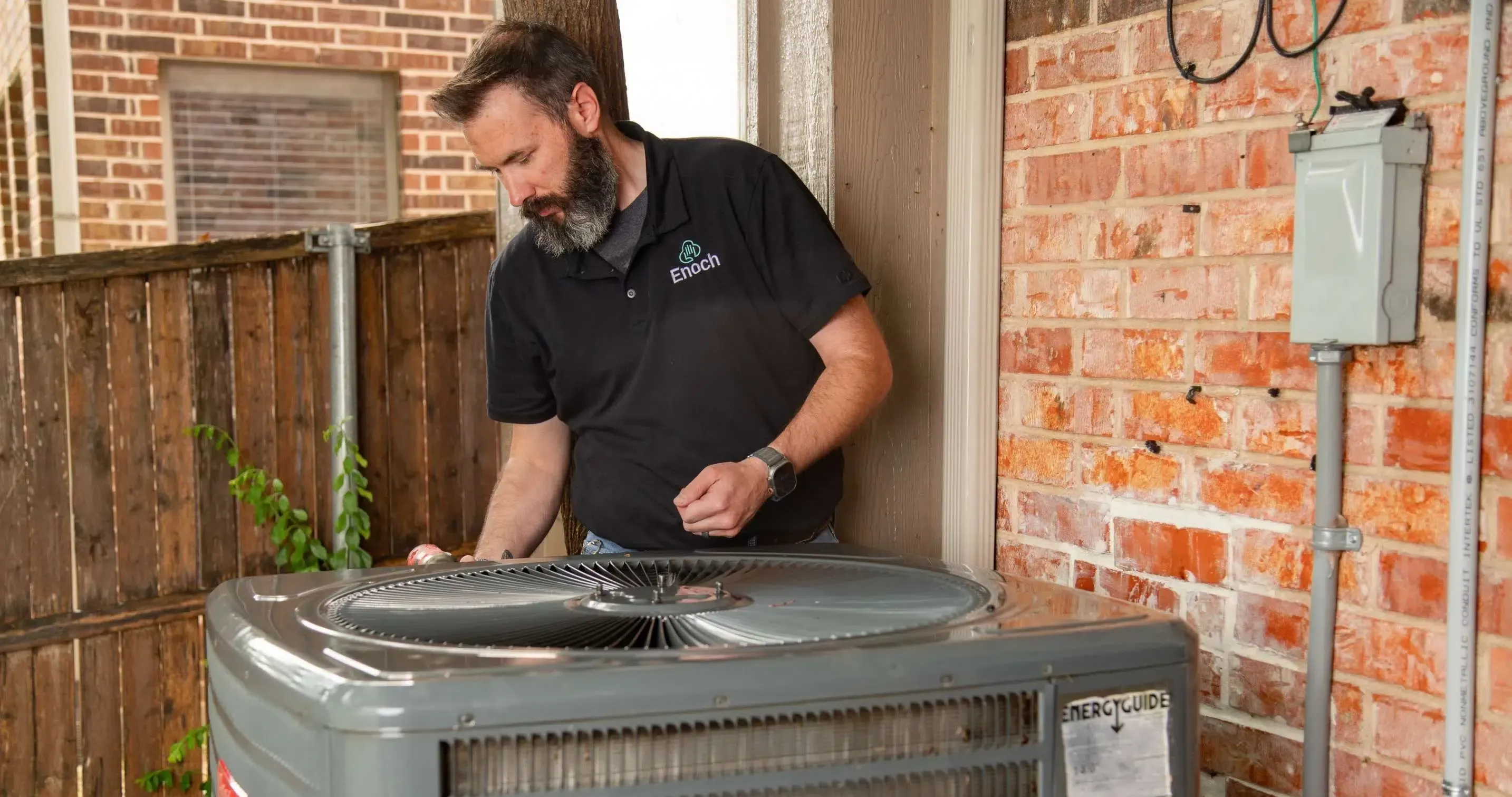
Repair vs. Replacement: How to Decide
At some point, repairing your AC stops making financial sense.
Factor | Repair | Replacement |
Upfront Cost | Lower initial expense, affordable for minor issues. | Higher initial cost but often saves money long-term. |
Age of System | Best if the unit is newer and within its expected lifespan. | Ideal if the system is old or past its average lifespan. |
Frequency of Breakdowns | Works if breakdowns are rare and easy to fix. | Recommended if issues are frequent and recurring. |
Energy Efficiency | May restore function but usually doesn’t improve efficiency much. |
How to Save Money on AC Repairs
Even though repairs can be pricey, there are ways to reduce costs:
- Keep up with maintenance – Annual tune-ups ($80–$200) prevent breakdowns.
- Change filters regularly – Every 1–3 months to reduce strain on your system.
- Clean around your outdoor unit – Remove leaves, dirt, and debris.
- Catch problems early – Don’t ignore weak airflow, unusual noises, or leaks.
- Compare multiple quotes – Prices can vary significantly between contractors.
- Invest in a service plan – Many companies offer discounts and priority service.
DIY vs. Professional Repair
Deciding between DIY and professional repair comes down to cost, skill, safety, and the long-term reliability of the fix.
Factor | DIY Repair | Professional Repair |
Cost | Lower upfront cost (just tools/materials). | Higher cost due to labor charges, but includes expertise. |
Skill Required | Requires technical knowledge, tools, and research. | Handled by trained experts with proper certifications. |
Time Investment | Can be time-consuming, especially for beginners. | Faster and more efficient; saves homeowner’s time. |
Quality of Work | May be inconsistent if inexperienced; risk of mistakes. |
Environmental & Energy Considerations
In 2026, energy efficiency and refrigerant regulations also affect AC repair costs:
- SEER2 standards require higher efficiency for new systems.
- Eco-friendly refrigerants (R-32, R-454B) are replacing older, expensive ones.
- Smart thermostats and energy-monitoring tools help reduce usage and prevent wear.
While these changes can increase upfront repair costs, they often save money long-term through efficiency gains.
Final Thoughts
In 2026, air conditioning repair costs typically range from $200 to $1,200, depending on the issue, unit type, and location. While small fixes like capacitor replacement are affordable, major repairs like compressor or coil replacement can make a full system upgrade more cost-effective.
The best way to minimize costs is through preventative maintenance, timely repairs, and working with a trusted HVAC professional. By staying informed, you’ll not only keep your home cool but also protect your wallet.
Frequently Asked Questions
1. What’s the most expensive AC repair in 2026?
The compressor is usually the most expensive repair, costing between $1,200 and $3,500. Since it powers the entire cooling process, when it fails the AC won’t run at all. If your system is older, it may be better to replace the whole unit instead of just fixing the compressor.
2. Can I repair a refrigerant leak myself?
No. Refrigerant repairs must be handled by an EPA-certified technician. Trying to fix a leak on your own is unsafe, bad for the environment, and can cause more damage. If you notice weak cooling or hissing sounds, call a professional right away.
3. How often should I service my AC?
It’s best to get your AC serviced once a year, ideally before summer. A tune-up includes cleaning coils, checking refrigerant levels, and testing electrical parts. Changing or cleaning your air filters every 1–3 months also helps prevent breakdowns.
4. Is it cheaper to repair or replace my AC?
If your system is still under 10 years old and the repair is minor, repair usually makes sense. But if it’s 12–15 years old and the repair costs nearly half the price of a new unit, replacement is the smarter option. New systems are more energy-efficient and can lower your utility bills.
5. Why do AC repair prices vary so much?
Repair costs depend on the type of problem, the age of your AC, and where you live. Small fixes like replacing a capacitor are cheap, while bigger repairs like refrigerant leaks or coil replacements take more time and parts. Labor rates are also higher in big cities or during heatwaves when demand is high.
6. Do HVAC companies charge for estimates?
Many companies offer free estimates for new installations, but for repairs they often charge a service call fee (around $75–$150). This covers the technician’s time to diagnose the issue. In many cases, the fee is applied to the repair if you move forward with the service.
7. Does homeowners insurance cover AC repair?
Usually not for normal wear and tear. Insurance may cover your AC if it’s damaged by a covered event like fire, storm, or vandalism. For example, if lightning fries the electrical system, your policy might help. If you want more coverage, a home warranty is a good option for major appliances and systems.