
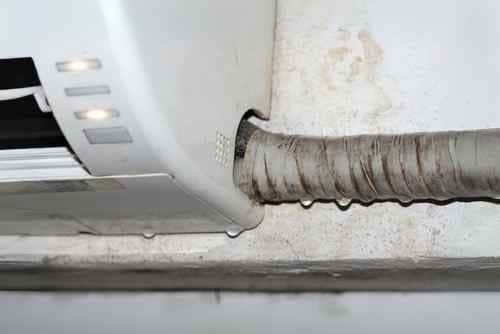
It's 100°F outside, your air conditioner is running non-stop, and yet the vents are blowing warm air. You walk out to the unit and find it covered in ice. If you're wondering why does my AC freeze up, you're not alone: a frozen AC unit is one of the most common summer HVAC problems we see across DFW and the rest of Texas.
The good news is that an air conditioner freezing up almost always comes down to a handful of fixable causes. This guide walks through exactly what it means when your AC freezes up, how to tell if your coil is frozen, what to do right now, and how to prevent it from happening again.
Quick answer: When your AC freezes up, it usually means one of two things, not enough warm air is moving across the indoor coil (a dirty filter, blocked vents, or a dirty coil), or the system is low on refrigerant because of a leak. Both cause the evaporator coil to drop below 32°F, so moisture freezes into ice instead of draining away. Turn the system off, let it thaw, and have the underlying cause checked by an HVAC professional.
What Does It Mean When Your AC Freezes Up?
Your air conditioner cools your home by pulling warm indoor air across a cold evaporator coil (the indoor coil), where refrigerant absorbs the heat. As long as enough warm air keeps flowing over that coil, it stays cold but above freezing.
When something disrupts that balance, either the airflow drops or the refrigerant charge drops, the coil gets too cold. The humidity that normally condenses and drains off the coil freezes instead, and ice starts to build up. Left running, that ice grows until it blankets the coil and refrigerant lines, chokes off airflow completely, and your AC stops cooling altogether.
So a frozen AC unit isn't really the problem itself, it's a symptom telling you that airflow or refrigerant is out of whack.
Signs Your AC Is Frozen (What to Look For)
You won't always see a solid block of ice. Here's how to know if your AC coil is frozen:
- Warm air from the vents while the unit is running. This is the number-one sign. The system sounds like it's working, but the air isn't cold.
- Visible ice on the copper refrigerant lines running to the outdoor unit, or frost/ice on the outside AC unit itself.
- Ice or frost on the indoor coil or air handler (often inside the cabinet near the furnace).
- Water pooling around the indoor unit. As the ice melts, it can overflow the drain pan.
- A sudden drop in cooling or the system running constantly without reaching the thermostat setting.
- Higher electric bills, because the system runs longer and harder trying to cool.
If you see any of these, the smartest first move is to shut the system down before the ice does more damage.
What Causes an AC to Freeze Up?
Nearly every frozen AC traces back to one of these causes. The first three are by far the most common.
1. A dirty air filter (the #1 cause)
A clogged air filter is the single most common reason an AC freezes up. The filter starves the evaporator coil of the warm airflow it needs, the coil gets too cold, and it frosts over. The fix is often as simple, and as cheap, as swapping the filter. In dusty Texas summers, or with pets in the house, filters clog faster than people expect.
2. A dirty or blocked evaporator coil
Even with a clean filter, dust, pet hair, and grime build up on the evaporator coil over time. That layer acts like a blanket, insulating the coil and dropping its surface temperature until ice forms. A dirty evaporator coil usually needs a professional cleaning as part of a tune-up.
3. Low refrigerant from a leak
Refrigerant (often called "Freon") doesn't get "used up", if you're low, you have a leak. Low refrigerant drops the pressure inside the coil, which drops its temperature below freezing and causes ice to form on the coil and along the refrigerant line. Simply "topping off" the refrigerant without fixing the leak only delays the next freeze-up. Refrigerant work must be done by an EPA-certified technician.
4. Restricted airflow: closed vents, blocked returns, and duct problems
Your system is designed to move a set volume of air. Close off too many supply vents (a common mistake when trying to "save energy" in unused rooms), block a return grille with furniture, or run undersized or crushed ductwork, and the coil can freeze from lack of airflow. As a rule, keep the majority of your vents open.
5. A failing blower motor or fan
If the blower motor that pushes air across the coil is weak, failing, or running at the wrong speed, airflow drops and the coil freezes, even if the filter and coil are clean. This one usually calls for a technician, and sometimes overlaps with an electrical issue.
6. Running the AC when it's too cold outside
This is why some systems freeze up at night or during spring and fall. When the outdoor temperature drops below about 60–62°F, running the AC in cooling mode can push an already borderline coil below freezing. If you like sleeping cold, a smart thermostat can help you avoid running the compressor when it's too cool out.
7. Drainage and other issues
A clogged condensate drain line won't usually cause the initial freeze, but it makes the resulting water problem worse when the ice thaws (more on that below). Less commonly, a faulty thermostat or a failing metering device (TXV) can also lead to freezing. These are diagnosis-and-repair jobs for a pro.
What to Do When Your AC Freezes Up (Step by Step)
If you catch a frozen AC, here's exactly what to do:
- Turn the system OFF at the thermostat. Do not keep running it in cooling mode. This is the most important step — running a frozen AC can destroy the compressor.
- Switch the fan to "ON." Set the thermostat mode to OFF (or COOL off) but the fan to ON. Blowing warm household air over the coil melts the ice much faster than just leaving everything off.
- Change the air filter if it's dirty. This clears the most common cause while you wait.
- Open your supply vents and clear any blocked returns. Make sure furniture, rugs, or closed doors aren't choking airflow.
- Let it thaw completely before restarting — usually 1 to 3 hours, sometimes up to 24 for a heavy freeze. Never chip, scrape, or pry at the ice; the coil and lines puncture easily and a refrigerant leak turns a cheap fix into an expensive one.
- Watch for water and mop up any overflow from the drain pan so it doesn't damage floors or drywall.
- Restart and test. Once fully thawed, switch back to COOL. If it cools normally, a dirty filter was likely the culprit. If it freezes again or still blows warm, the cause is deeper — call an HVAC professional.
How to Thaw a Frozen AC Unit
To thaw a frozen AC safely: turn the system to OFF, set the fan to ON, and let warm air melt the ice. Most units thaw in 1–3 hours; a severe freeze can take up to 24 hours. Setting the fan to ON speeds things up considerably.
A hair dryer on a low, warm setting can gently help in a pinch, keep it moving and never use high heat or any sharp tool on the coil. Honestly, though, the fan-and-patience method is safer and works on its own. The one thing you should never do is try to speed things up by breaking the ice off.
Can You Run Your AC If It's Frozen? Is It Dangerous?
No, do not run a frozen AC in cooling mode. It isn't dangerous to you personally, but it's very hard on the equipment. Running a frozen system can cause liquid refrigerant to return to the compressor and burn it out, and the compressor is the single most expensive part of your AC to replace. Melting ice can also overflow the drain pan and cause water damage near the indoor unit.
The safe move is always the same: switch it OFF (or fan-only), let it thaw, and address the cause.
Why Does My AC Keep Freezing Up?
If your AC freezes, thaws, and then freezes again, the ice is a recurring symptom of an unfixed root cause. Repeated freezing almost always means one of the following:
- A refrigerant leak that hasn't been repaired
- A chronically dirty coil that needs a deep cleaning
- A weak or failing blower motor limiting airflow
- A duct or airflow problem that never got corrected
A frozen AC won't fix itself, the ice melts once the unit is off, but the underlying issue stays until it's diagnosed and repaired. Because repeated freezing stresses the compressor, it's worth having a technician find the root cause before a small repair becomes a full system replacement.
After It Thaws: Why a Frozen AC Leaks Water
Homeowners often report that their "AC is leaking water" right after a freeze-up. Usually that water is simply melting ice. When a frozen coil thaws, it releases far more water than the drain pan and condensate line can handle at once, so it overflows around the indoor unit. Fixing the freeze-up, and making sure the condensate drain line is clear, stops the water.
How to Prevent Your AC From Freezing Up
Most freeze-ups are preventable with a little routine care:
- Change your air filter every 1–3 months. This alone prevents the majority of freeze-ups. Check monthly during peak summer.
- Keep your vents and returns open and unblocked. Don't close off more than a room or two, and keep furniture clear of return grilles.
- Get a professional tune-up before summer. A technician cleans the coil, checks refrigerant levels, tests the blower, and catches small problems before the heat hits.
- Don't run the AC when it's cool outside (below ~60°F). Use a smart thermostat if overnight cooling is an issue.
- Watch for early warning signs — weak cooling, longer run times, or higher bills — and address them before the coil freezes solid.
An annual AC tune-up is the cheapest insurance against a summer breakdown, and it keeps your system running efficiently so you're not overpaying to cool your home.
How Much Does It Cost to Fix a Frozen AC?
It depends entirely on the cause. A filter change is essentially free and something you can do yourself. A professional coil cleaning, blower repair, or refrigerant leak repair costs more, and refrigerant work in particular has to be done by a certified technician. The only way to know for sure is a diagnostic visit, where a technician pinpoints the exact cause and gives you an upfront price before any work begins.
At Team Enoch, we give you transparent, upfront pricing, and you only pay after the work is done.
When to Call an HVAC Professional
You can handle the easy stuff yourself: turning the system off, thawing the coil, and replacing a dirty filter. Call a professional when:
- The AC freezes up again after you've changed the filter and let it thaw
- It's blowing warm air with no obvious cause
- You see ice on the refrigerant lines or suspect a refrigerant leak
- Cooling is weak even when the coil isn't frozen
- You just want it done right without the guesswork
Frequently Asked Questions
What does it mean when my AC freezes up?
Ice on your AC almost always means either restricted airflow (a dirty filter, blocked vents, or a dirty coil) or low refrigerant from a leak. Both drop the coil below freezing, so moisture freezes instead of draining. Turn the unit off and call an HVAC pro.
Why does my AC keep freezing up?
A recurring freeze points to an unfixed root cause, usually a refrigerant leak, a chronically dirty coil, or a weak blower motor. Repeated freezing stresses the compressor, so have a technician diagnose it before the system fails.
Can I run my AC if it's frozen?
No. Running a frozen AC can burn out the compressor, the most expensive part to replace. Switch the system to OFF (or fan-only) and let it fully thaw before restarting or calling for service.
Should I turn off my AC if it's frozen?
Yes. Set the thermostat to OFF, or to FAN ON, which pushes warm household air over the coil to melt the ice faster. Running it in cooling mode while frozen risks serious compressor damage.
How long does it take for a frozen AC to thaw?
Usually 1–3 hours with the system off, and up to 24 hours in severe cases. Setting the fan to ON speeds it up. Never chip at the ice, you can puncture the coil and cause a refrigerant leak.
Is a frozen AC dangerous?
Not to you directly, but it's hard on the equipment. Running it frozen can destroy the compressor, and melting ice can overflow the drain pan and cause water damage near the indoor unit.
Why does my AC freeze up at night?
Cooler night temperatures plus an already-borderline system (low refrigerant or weak airflow) can push the coil below freezing. Running the AC when it's under about 62°F outside makes overnight freezing more likely.
How do I know if my AC coil is frozen?
Signs include warm air from the vents while the unit runs, visible ice on the copper refrigerant lines or the outdoor unit, water pooling near the indoor air handler, and a sudden drop in cooling.
Can a dirty filter cause my AC to freeze?
Yes, it's the most common cause. A clogged filter starves the coil of airflow, so it gets too cold and frosts over. Changing the filter every 1–3 months prevents most freeze-ups.
Can low refrigerant cause my AC to freeze?
Yes. Low refrigerant, usually from a leak, drops the coil's pressure and temperature below freezing. Refrigerant work requires an EPA-certified technician, topping it off without fixing the leak only delays the next freeze.
How much does it cost to fix a frozen AC?
It depends on the cause, a filter change is nearly free, while a refrigerant leak repair or blower motor replacement costs more. A diagnostic visit pinpoints it.
Will a frozen AC fix itself?
The ice will melt once the unit is off, but the underlying cause won't fix itself. It will freeze again, often worse, until the filter, coil, airflow, or refrigerant issue is addressed.
Can I use a hair dryer to thaw my AC?
A hair dryer on a low, warm setting can gently speed thawing, but keep it moving and never use high heat or sharp tools on the coil. The safest method is simply running the fan and waiting.
Why does my AC freeze up and leak water?
The "leak" is usually melting ice. When a frozen coil thaws, it releases more water than the drain pan and line can handle, so it overflows. Fixing the freeze-up stops the water.