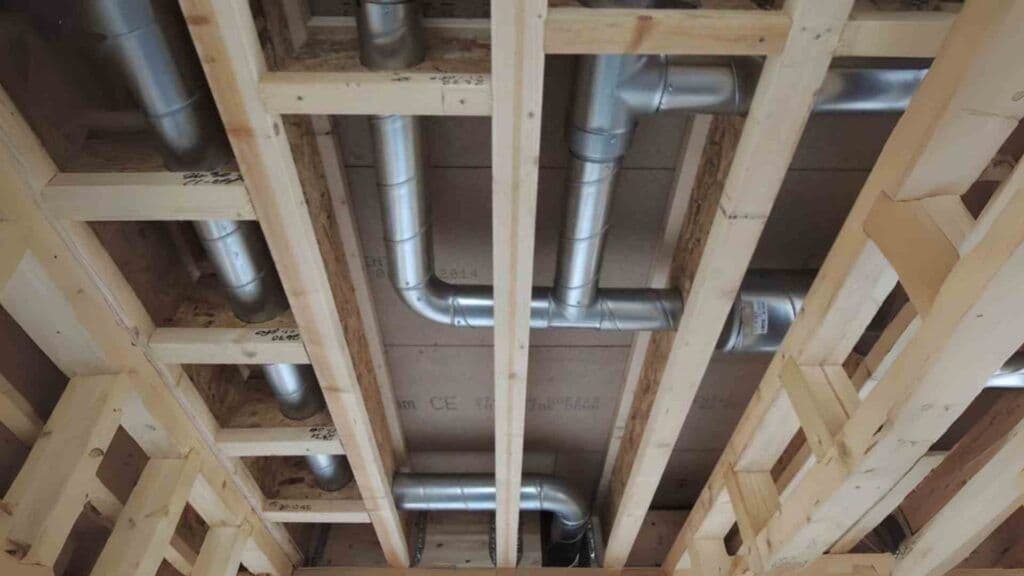
Hero Image

What is Ductwork? Key Facts You Need to Know About

What is ductwork, exactly? It’s the network of channels that carry conditioned air to and from your furnace, air conditioner, or heat pump.

Team Enoch

December 4, 2025

Youtube Thumbnail

Talk To Our Orlando Air Conditioning Experts

Fill out this form to receive a call from one of our experts or call us directly at (407) 336-8000

Talk To Our Orlando Air Conditioning Experts

Fill out this form to receive a call from one of our experts or call us directly at (407) 336-8000

Your home's ductwork plays a critical but often overlooked role in keeping your living space comfortable and energy-efficient. Though hidden behind walls, floors, and ceilings, ductwork is essential for distributing heating and cooling from your HVAC system throughout every room. What is ductwork, exactly? It's the network of channels that carry conditioned air to and from your furnace, air conditioner, or heat pump.

Properly installed, maintained, and efficient duct systems ensure better air quality, lower energy bills, and a more comfortable home year-round. In this comprehensive guide, we'll cover everything from the types of home ductwork, common problems, signs your ducts need repair, maintenance tips, and the latest 2026 cost information for homeowners in the Arlington area and beyond.

Need expert ductwork inspection or repair? Call Team Enoch at (817) 290-9808 to schedule your service today!

Table of Contents

  • What is Ductwork in a House?
  • Types of Home Ductwork
  • Why Ductwork is Important
  • Common Ductwork Problems
  • Signs Your Ductwork Needs Repair
  • How Much Does Ductwork Cost in 2026?
  • Does Homeowners Insurance Cover Ductwork?
  • How to Improve Ductwork Efficiency
  • Ductwork Maintenance Tips
  • Technical Considerations
  • Frequently Asked Questions

What is Ductwork in a House?

If you've ever wondered what is ductwork in a house, it's the network of channels that distribute conditioned air from your furnace, heat pump, or air conditioner to each room. Ducts essentially act as the arteries of your home, moving air in and out of living spaces to maintain comfortable temperatures year-round.

Your home's HVAC ductwork includes several key components:

Supply Ducts: Carry heated or cooled air from the HVAC system to rooms throughout your home

Return Ducts: Pull air back to the system to be reheated or cooled, completing the circulation cycle

Main Trunk Line HVAC: The central duct from which smaller branches extend, similar to a tree trunk

Branch Ducts (Trunk and Branch Duct System): Smaller ducts that deliver air to individual rooms

Air Duct Vents / Vent Ducts: Points where air enters rooms through registers or grilles

Plenum: The air distribution box that connects directly to your HVAC unit

Understanding these parts of ductwork is essential for diagnosing problems and maintaining optimal airflow throughout your home.

Types of Home Ductwork

Knowing the ductwork definition and types helps homeowners select and maintain the right system. Here are the most common types of residential duct systems:

1. Sheet Metal Ducts

Pros: Durable, long-lasting (50+ years), resistant to mold, fire-resistant, and less likely to harbor pests

Cons: Can be noisy during operation, more expensive upfront, requires professional installation

Best For: New construction and whole-home replacements where longevity is a priority

Sheet metal ducts are commonly used for central air ductwork. They're made from galvanized steel or aluminum and are the most durable option available. While they may produce some noise during operation, proper insulation can minimize this issue.

2. Flexible Ducts (Flex Duct)

Pros: Easy to install, cost-effective ($4 per linear foot), versatile for tight spaces

Cons: Can kink or sag, restricting airflow; shorter lifespan (15-25 years); collects more dust

Best For: Branch lines and supplemental additions where rigid ducts are difficult to install

These HVAC ducts are made from wire coil covered with plastic. They're easier to install than sheet metal but require proper support to prevent sagging. Using a flex duct CFM chart ensures consistent air distribution and prevents airflow restrictions.

3. Fiberglass Duct Board

Pros: Excellent noise reduction, built-in insulation, energy-efficient

Cons: Can deteriorate over time, susceptible to mold in humid climates, may harbor allergens

Best For: Homes where noise control is a priority

This type of duct helps reduce noise and insulates well, but it can deteriorate over time, especially in high-humidity areas. It's often used in residential duct systems for sound absorption but requires regular inspection for moisture damage.

4. Fabric Ducts

Pros: Lightweight, uniform air distribution, easy to clean

Cons: Not suitable for residential applications, limited durability

Best For: Commercial and industrial applications

Less common in homes, fabric ducts are more frequently used in commercial applications like warehouses, schools, and gymnasiums for uniform air distribution.

Why Ductwork is Important

Your ducts play a crucial role in energy efficiency, comfort, and air quality. Here's why maintaining your air ducts in house is essential in 2026:

1. Energy Efficiency and Cost Savings

Leaky or poorly insulated ducts can waste 20-30% of your heating or cooling energy, according to industry research. This translates directly to higher utility bills. With energy costs continuing to rise in 2026, properly sealed and insulated ductwork has never been more important for your wallet.

Energy Impact: A typical 2,000 sq ft home with leaky ducts can waste $300-$500 annually on heating and cooling costs.

2. Indoor Air Quality (IAQ)

Dust, mold, allergens, and even pest droppings can circulate through ventilation ducts in homes, worsening respiratory issues and allergies. In 2026, indoor air quality has become a top priority for homeowners, especially those with family members who have asthma, allergies, or other respiratory conditions.

Health Impact: Properly maintained ductwork reduces exposure to:

  • Dust mites and allergens
  • Mold spores
  • Volatile organic compounds (VOCs)
  • Pet dander
  • Bacteria and viruses

3. Consistent Comfort Throughout Your Home

Proper supply and return ductwork ensures even temperatures and prevents hot or cold spots that make certain rooms uncomfortable. Many homeowners complain about temperature inconsistencies—often the culprit is poor ductwork design or leaks, not the HVAC equipment itself.

4. HVAC System Longevity

Well-maintained heating and air conditioning ductwork reduces strain on your system, potentially extending its lifespan by 5-10 years. When your ductwork is properly sized and sealed, your HVAC system doesn't have to work as hard to maintain comfortable temperatures.

Equipment Protection: Proper airflow prevents:

  • Compressor strain and premature failure
  • Frozen evaporator coils
  • Overheating and short cycling
  • Excessive wear on fan motors

Common Ductwork Problems

Homeowners frequently encounter home AC ductwork problems or other common ductwork problems. Recognizing these issues early can save both energy and money:

1. Leaky Ducts

Air escaping from damaged or poorly sealed ducts can reduce system efficiency by up to 30%. Leaks often occur at joints, bends, or areas where ducts pass through walls. According to 2026 industry data, the average home has enough duct leakage to equal a 2-foot by 2-foot hole in the ductwork.

Cost Impact: A home losing 25% of conditioned air through leaks can add $40-$60 per month to utility bills.

2. Blocked or Dirty Ducts

Dust, debris, or even pests can obstruct airflow, impacting HVAC ducts and airflow and reducing comfort in certain rooms. Over time, dust buildup can restrict airflow by 20-40%, forcing your system to run longer to achieve desired temperatures.

Warning Signs:

  • Visible dust blowing from vents
  • Musty or stale odors
  • Reduced airflow from registers
  • Excessive dust accumulation on surfaces

3. Sagging or Disconnected Ducts

Flexible ducts may sag or disconnect over time, leading to uneven air distribution and higher energy use. This is especially common in attics and crawl spaces where ducts aren't properly supported.

Prevention: Flex ducts should be supported every 4-5 feet with straps or hangers to prevent sagging.

4. Poorly Insulated Ducts

Uninsulated ducts in attics, basements, or crawlspaces can lose significant amounts of heat or cooling, causing your HVAC system to work harder. In 2026, with updated energy codes in many states, duct insulation has become a standard requirement for both new construction and major renovations.

Temperature Loss: Uninsulated ducts in unconditioned spaces can lose 25-40% of heating/cooling energy before reaching living areas.

5. Noisy Ducts

Vibrations, loose metal, or high-velocity air through air duct vents can produce rattling or whistling sounds. While not always a sign of major problems, these noises indicate airflow issues that reduce efficiency.

Common Causes:

  • Loose sheet metal joints
  • Undersized ductwork creating high velocity
  • Disconnected or damaged flex duct
  • Dirty blower wheels creating turbulence

Signs Your Ductwork Needs Repair

Knowing signs your ductwork needs repair helps prevent serious HVAC problems and costly energy waste:

✗ Uneven heating or cooling across rooms – Some rooms are always too hot or too cold

✗ Higher-than-normal energy bills – Your utility costs have increased without explanation

✗ Strange noises coming from vents – Whistling, rattling, or banging sounds

✗ Excess dust accumulation – Surfaces get dusty quickly after cleaning

✗ Increased allergy or asthma symptoms – Family members experience more respiratory issues at home

✗ Visible leaks or disconnected ducts – You can see gaps or separated sections in accessible areas

✗ Musty or stale odors – Unpleasant smells coming from vents

✗ Weak airflow from registers – Air barely comes out of some vents

If you notice any of these issues, it's time to schedule a professional inspection. Team Enoch provides comprehensive ductwork inspections for homeowners in Arlington and the surrounding areas.

How Much Does Ductwork Cost in 2026?

One of the most common questions homeowners ask is: "How much does new ductwork in a house cost?" Here's a detailed breakdown of 2026 pricing:

Ductwork Replacement Costs

Complete system replacement varies significantly based on home size and complexity:

  • Small home (1,200-1,500 sq ft): $1,400 - $3,500
  • Average home (1,500-2,000 sq ft): $2,400 - $5,600
  • Large home (2,500-3,500 sq ft): $5,000 - $12,000
  • Very large or complex homes (3,500+ sq ft): $10,000 - $17,000+

Per linear foot pricing:

  • Sheet metal ducts: $21 - $62 per linear foot
  • Galvanized spiral ducts: $9 - $37 per linear foot
  • Flexible ducts: $4 - $15 per linear foot
  • Fiberglass duct board: $5 - $18 per linear foot
  • Per duct replacement: $270 - $500 per duct

How Much to Replace Ductwork in a 1500 sq ft House?

For a standard 1,500 square foot house, expect to pay $2,400 - $4,500 for complete ductwork replacement, including removal of old ducts and installation of new materials. The final cost depends on:

  • Ductwork location and accessibility
  • Material choice (sheet metal vs. flexible)
  • Number of vents and registers
  • Local labor rates in the Arlington area
  • Whether any structural modifications are needed

Ductwork Repair Costs

Not all ductwork issues require complete replacement. Here are typical repair costs:

  • Minor leak repair: $200 - $700
  • Duct sealing (professional aeroseal): $400 - $2,700
  • Adding a vent to existing ductwork: $250 - $500
  • Return air drop replacement: $200 - $400
  • Trunk line repair/modification: $1,000 - $1,500

Ductwork Cleaning Costs in 2026

Professional air duct cleaning has become more important than ever for indoor air quality:

  • Average cleaning cost: $388 - $500 for standard homes
  • Cost range: $150 - $1,000 depending on home size and contamination level
  • Per square foot: $0.15 - $0.40
  • Per vent cleaning: $25 - $50 per vent

NADCA (National Air Duct Cleaners Association) recommends having your ducts professionally inspected and cleaned every 3-5 years, or more frequently if you have:

  • Pets that shed
  • Recent renovations
  • Smokers in the home
  • Family members with allergies or asthma

Is Replacing Ductwork Worth It?

Yes, replacing old or damaged ductwork is worth it when you consider:

Energy Savings: New, properly sealed ductwork can reduce heating and cooling costs by 10-40%, often paying for itself within 5-10 years

Improved Comfort: Even temperatures throughout your home eliminate hot and cold spots

Better Air Quality: New ducts reduce dust, allergens, and contaminants circulating in your home

HVAC Efficiency: Proper ductwork reduces strain on your equipment, extending its lifespan

ROI: Duct replacement typically offers a 50-70% return on investment through energy savings and increased home value

Should I Replace 20 Year Old Ductwork?

Most likely, yes. Ductwork typically lasts 10-20 years on average, though sheet metal ducts can last 50+ years with proper maintenance. If your ductwork is 20 years old, you should:

  1. Have it professionally inspected for leaks, damage, and efficiency
  2. Consider replacement if you're experiencing comfort issues or high energy bills. If you want to know more about when to replace your AC system, read our complete replacement guide for detailed insights.
  3. Upgrade during HVAC replacement – if your furnace or AC is also around 15-20 years old, replacing the ductwork at the same time is more cost-effective
  4. Evaluate your home's changes – if you've added rooms or made major renovations, your old ductwork may no longer be properly sized

Does Homeowners Insurance Cover Air Duct Replacement?

A common question is: "Does homeowners insurance cover air duct replacement?" Here's what you need to know in 2026:

Standard Homeowners Insurance

Generally, NO – homeowners insurance does NOT cover ductwork replacement for:

  • Normal wear and tear
  • Lack of maintenance
  • Aging and deterioration
  • Poor installation or improper sizing

However, YES – insurance MAY cover ductwork damage if it's caused by:

  • Covered perils like fire, lightning, or windstorms
  • Sudden and accidental events (e.g., tree falls on house)
  • Theft or vandalism
  • Water damage from burst pipes (though flood damage is typically excluded)

Example: If a house fire damages your ductwork, your dwelling coverage should pay for repairs or replacement, minus your deductible.

Home Warranty Coverage

Home warranties may cover ductwork as part of HVAC system protection:

  • Most home warranty plans include ductwork coverage for leaks or breaks
  • Coverage limits typically range from $2,300 - $5,000
  • You'll pay a service fee ($75-$125) per visit
  • Excludes damage from neglect, improper installation, or pre-existing conditions
  • Usually covers normal wear and tear issues that homeowners insurance won't

Popular home warranty companies that offer ductwork coverage include American Home Shield, Choice Home Warranty, and Liberty Home Guard.

What IS Covered vs. What ISN'T

Typically Covered

NOT Covered

Fire damage

Wear and tear

Lightning strikes

Maintenance neglect

Storm damage

Mold from humidity

Burst pipe water damage

Poor installation

Theft/vandalism

Pest damage

Sudden mechanical failure (with equipment breakdown coverage)

Age-related deterioration

Bottom Line: For routine ductwork problems, you'll likely need to pay out of pocket or use a home warranty if you have one. Homeowners insurance is only for catastrophic, sudden damage from covered perils.

How to Improve Ductwork Efficiency

Here are practical ways to improve ductwork efficiency and maintain your system:

1. Schedule Regular Maintenance

Follow these ductwork maintenance tips:

  • Inspect ducts annually for leaks, loose connections, and insulation problems
  • Check accessible ductwork in basements, attics, and crawl spaces
  • Look for disconnected sections or visible damage

2. Professional Duct Cleaning

Learn how to clean home ductwork or hire a professional to remove dust, debris, and potential allergens. Regular cleaning improves airflow and central air ductwork performance.

When to clean:

  • Every 3-5 years for most homes
  • After renovations or construction
  • If you notice visible mold or musty odors
  • After pest infestation
  • When moving into a previously occupied home

Finding services: Search for "ductwork cleaning near me" to find NADCA-certified professionals in your area.

3. Seal Leaks Professionally

Use mastic sealant or metal tape to seal gaps, especially at joints and bends. Sealing prevents energy loss and improves efficiency.

Professional options:

  • Aeroseal technology: Seals leaks from inside the ductwork using aerosolized particles ($400-$2,700)
  • Manual sealing: HVAC technician seals visible leaks with mastic ($200-$700)

DIY option: Use foil-backed tape (not duct tape!) and mastic sealant for accessible leaks.

4. Add or Upgrade Insulation

Adding insulation to exposed ducts reduces heat loss or gain and increases comfort. This is especially important for ducts in:

  • Unconditioned attics
  • Unheated basements
  • Crawl spaces
  • Garage ceilings

Insulation levels: R-6 to R-8 is recommended for ducts in unconditioned spaces.

5. Upgrade or Replace Old Ducts

If your AC duct replacement is necessary due to damage, old age, or inefficiency, replacing your ducts can enhance airflow and reduce energy costs significantly.

Consider replacement when:

  • Multiple leaks throughout the system
  • Ducts are over 20 years old
  • You're replacing your HVAC system
  • You've made significant home additions
  • Energy bills remain high despite other improvements

6. Balance Your System

Professional duct balancing ensures even airflow to all rooms by:

  • Adjusting dampers
  • Checking static pressure
  • Measuring airflow at each register
  • Identifying restrictions or oversized/undersized ducts

Ductwork Maintenance Tips

To keep your HVAC ductwork in top condition, follow these essential ductwork maintenance tips:

Monthly Tasks

✓ Replace or clean air filters every 1–3 months to prevent debris from entering ducts (more frequently if you have pets)

Quarterly Tasks

✓ Check visible ductwork for any obvious damage, disconnections, or signs of moisture ✓ Ensure vents are not blocked by furniture, curtains, or other objects ✓ Clean registers and grilles to remove dust buildup

Annual Tasks

✓ Schedule professional HVAC inspection which should include duct examination ✓ Have ducts inspected annually for leaks, disconnected sections, or blockages ✓ Check insulation in unconditioned spaces for damage or deterioration ✓ Verify proper airflow at all registers

Every 3-5 Years

✓ Schedule professional duct cleaning (more frequently with pets or allergies) ✓ Consider duct sealing if you notice efficiency problems

Following these tips helps prevent home AC ductwork problems and keeps your HVAC system running efficiently. Regular maintenance can extend duct lifespan from 15 to 25+ years.

Technical Considerations of Ductwork

For homeowners or HVAC enthusiasts, understanding technical aspects is helpful:

Main Trunk Line HVAC

The main trunk line ensures even airflow throughout a trunk and branch duct system. Proper sizing is critical – an undersized trunk line creates excessive static pressure and reduces system efficiency.

Sizing guidelines:

  • Trunk lines typically reduce in size as they extend from the air handler
  • Main trunk near equipment: 20-24 inches diameter for average homes
  • Reduces to 16-18 inches, then 12-14 inches as branches are taken off

Flex Duct CFM Chart

Using a flex duct CFM chart helps determine the proper size for flexible ducts to maintain adequate airflow (measured in cubic feet per minute).

Common flex duct sizes and CFM capacity:

  • 6-inch flex duct: Up to 100 CFM
  • 8-inch flex duct: Up to 180 CFM
  • 10-inch flex duct: Up to 300 CFM
  • 12-inch flex duct: Up to 450 CFM
  • 14-inch flex duct: Up to 600 CFM

Important: These values assume properly installed, stretched-tight flex duct without kinks or compression.

Heating and Air Conditioning Ductwork Design

Proper design ensures correct balance between supply and return ductwork:

Supply ducts should deliver:

  • 400 CFM per ton of cooling capacity
  • Proper velocity (600-900 feet per minute)
  • Even distribution to all rooms

Return ducts must:

  • Be properly sized (often undersized in older homes)
  • Have sufficient return air pathways
  • Include adequate grille area for airflow

Air Duct Vent / Vent Duct Placement

Strategic placement affects airflow efficiency and comfort:

Supply vents work best:

  • On exterior walls under windows (for heating)
  • On ceilings or high on walls (for cooling)
  • Directed toward center of room

Return vents should be:

  • Located in central areas of home
  • On interior walls when possible
  • Large enough to prevent air starvation

The 2-Foot Rule for Ductwork

What is the 2 foot duct rule? This guideline states that branch ducts (takeoffs) should be spaced at least 2 feet apart along the main trunk line. This prevents excessive turbulence and pressure loss that occurs when takeoffs are too close together.

Why it matters:

  • Reduces static pressure problems
  • Improves airflow distribution
  • Minimizes noise
  • Ensures even temperatures across rooms

What is the Minimum Distance Between Duct Takeoffs?

While the 2-foot rule is a general guideline, the minimum distance between duct takeoffs can vary based on:

  • Trunk line size
  • Branch duct size
  • System design
  • Air velocity

Best practice: Space takeoffs 18-24 inches apart minimum for residential systems.

Rule of Thumb for HVAC Duct Sizing

General sizing guidelines:

  • 1 CFM per square foot of floor space for cooling
  • 400 CFM per ton of AC capacity
  • Return air should be slightly larger than supply (110-120% of supply CFM)
  • Trunk lines sized based on friction rate (0.08-0.10 inches water column per 100 feet)

Does the length of a duct affect CFM? Yes! Longer duct runs increase friction loss, which reduces airflow. Each elbow, reduction, or turn also adds resistance. Proper duct design accounts for these factors using Manual D calculations.

Common Mistakes in Ductwork Installation

What is a common mistake in ductwork installation?

The most common mistakes include:

  1. Undersized return air ducts – Often the biggest issue, restricting airflow and reducing system efficiency
  2. Poor sealing at connections – Leads to significant air leakage
  3. Compressed or kinked flex duct – Reduces airflow capacity by 30-50%
  4. Improper insulation – Allows energy loss in unconditioned spaces
  5. Incorrect sizing calculations – Not performing Manual J and Manual D calculations
  6. Too many turns and elbows – Each turn adds resistance and reduces efficiency
  7. Takeoffs too close together – Violates the 2-foot rule, creating pressure problems

Avoiding these mistakes requires hiring experienced professionals who follow industry best practices and building codes.

Frequently Asked Questions About Ductwork

What is the purpose of ductwork?

Ductwork serves as the distribution network for your HVAC system, carrying heated or cooled air from your furnace, air conditioner, or heat pump to every room in your home. It also returns air back to the system to be filtered and conditioned again, creating a continuous cycle that maintains indoor comfort and air quality.

What are the three types of ductwork?

The three main types of residential ductwork are:

  1. Sheet metal ducts – Most durable, long-lasting (50+ years), fire-resistant
  2. Flexible ducts (flex duct) – Cost-effective, easy to install, lifespan of 15-25 years
  3. Fiberglass duct board – Good insulation and noise reduction, but susceptible to moisture damage

What is the best ducting for residential HVAC?

Sheet metal ducts are generally considered the best option for residential HVAC because they:

  • Last 50+ years with proper maintenance
  • Are resistant to mold and pests
  • Are fire-resistant
  • Maintain airflow better than flex duct
  • Are easier to clean

However, flexible ducts are often used for branch runs due to their lower cost and easier installation in tight spaces.

What is the $5000 rule for HVAC?

The $5,000 rule is a guideline some HVAC professionals use to help homeowners decide between repair and replacement. If the cost of repair multiplied by the age of the unit (in years) exceeds $5,000, replacement is typically recommended over repair.

Formula: Repair Cost × Age of Unit = Decision Number

Example:

  • $500 repair × 12 years old = $6,000 → Consider replacement
  • $300 repair × 6 years old = $1,800 → Repair is worthwhile

This rule helps prevent investing significant money in repairs on older equipment that may fail again soon.

What are signs of a bad duct system?

Signs of a problematic duct system include:

  • Uneven room temperatures
  • Weak airflow from some vents
  • Unusual noises (whistling, rattling, banging)
  • Excessive dust throughout the home
  • Visible gaps or disconnected sections
  • Musty or moldy odors
  • High energy bills without explanation
  • HVAC system running constantly
  • Allergy symptoms that improve when away from home

What is the average cost to have ductwork cleaned?

In 2026, professional duct cleaning costs $388-$500 on average for a standard home, with a typical range of $150-$1,000 depending on:

  • Home size
  • Number of vents
  • Level of contamination
  • Accessibility
  • Geographic location

Most HVAC professionals charge $0.15-$0.40 per square foot or $25-$50 per vent.

What is class 3 ducting?

Class 3 ducting refers to a specific leakage classification in commercial HVAC systems based on SMACNA (Sheet Metal and Air Conditioning Contractors' National Association) standards. It's less commonly referenced in residential applications.

Leakage classes:

  • Class 1: Sealed/insulated ducts (0-6% leakage)
  • Class 2: Standard sealed ducts (6-12% leakage)
  • Class 3: Unsealed ducts (more than 12% leakage)

For residential systems, focus on having ducts properly sealed to minimize leakage rather than worrying about specific commercial classifications.

Which is better, 410A or R32 refrigerant?

R32 is generally considered better than R410A for several reasons:

R32 advantages:

  • Lower global warming potential (GWP of 675 vs. 2,088 for R410A)
  • Better energy efficiency (3-5% more efficient)
  • Easier to recycle and recover
  • Cheaper to produce

R410A:

  • Currently more common in the US
  • Established service infrastructure
  • More technicians familiar with it

Important for 2026: R410A is being phased down due to environmental concerns. Many manufacturers are transitioning to R32 or other low-GWP refrigerants. If purchasing a new system, consider future refrigerant availability.

Finding Ductwork Services in Arlington

If you're searching for "ductwork repair near me," "ductwork installation near me," or "ductwork contractors near me," Team Enoch is your trusted local HVAC partner serving Arlington, Fort Worth, and the surrounding DFW area.

Our Ductwork Services Include:

✓ Ductwork inspection and assessment – Complete system evaluation

✓ Duct sealing and repair – Professional Aeroseal technology available

✓ Duct cleaning – NADCA standards

✓ Ductwork replacement – Full or partial system upgrades

✓ New ductwork installation – For additions or new construction

✓ Duct insulation – Energy efficiency improvements

✓ System balancing – Even temperatures throughout your home

✓ Air quality testing – Ensure healthy indoor air

Why Choose Team Enoch?

  • Locally owned and operated in Arlington, TX
  • Licensed, insured, and experienced HVAC professionals
  • Transparent pricing with detailed estimates
  • Quality workmanship with attention to detail
  • Same-day service available
  • Satisfaction guaranteed

Call Team Enoch at (817) 290-9808 to schedule your ductwork inspection today!

Conclusion: Your Ductwork Matters

Your home's ductwork is just as important as your furnace or air conditioner. Properly designed, installed, and maintained ductwork ensures:

✓ Lower energy bills through improved efficiency

✓ Better indoor air quality for your family's health

✓ Consistent comfort in every room

✓ Extended HVAC equipment life through reduced strain

✓ Increased home value with efficient, modern systems

Whether you need ductwork cleaning, repair, or complete replacement, understanding the costs, benefits, and maintenance requirements helps you make informed decisions about your home's comfort system.

Don't ignore warning signs like uneven temperatures, high energy bills, or poor air quality. Schedule a professional inspection to identify problems before they become expensive repairs.

Ready to improve your home's ductwork? Contact Team Enoch today for a free consultation and estimate!

Frequently Asked Questions

The number varies based on home size, system type, and layout. Most homes have multiple supply and return ductwork lines for effective airflow.

No, main trunk line HVAC systems branch into smaller ducts to deliver air evenly.

Yes. Dirty or leaky ducts circulate dust, allergens, and mold, impacting ventilation duct in home performance.

Cleaning is recommended every 3–5 years, depending on air quality, pets, and household conditions.

Supply ducts deliver air to rooms, while return ducts pull it back to the HVAC system for conditioning.

Leaks, disconnected ducts, blockages, poor insulation, and noisy vents are among the most frequent issues.

Logo

Sign up to our newsletter and get all of the latest news and updates.

Contact Us

mail@teamenoch.com(407) 336-8000100 E Pine St STE 110Orlando, Florida 32801

Quick Links

About UsMembershipsFinancingBlogs

Services

HeatingAir ConditioningCommercial Services
bbbnate
bbb
nate

License #CAC1824490

FAQ Videos

Youtube Thumbnail

The 2022 Home Energy Efficiency Program is currently underway, so it’s important to take the first steps now by contacting us about upgrades to your home heating and cooling. In the past, incentives have ranged from $400 to $4,000 depending on the equipment you buy.

Read More
Youtube Thumbnail

Is our recommendation that you should not hire the absolute cheapest contractor just because a lot of these contractors have only been in business for a year or two

Read More
Youtube Thumbnail

Are you considering an HVAC replacement and wondering how to get a quote from Team Enoch? In this informative video, Amanda from Team Enoch will walk you through the simple steps to get an accurate estimate for your HVAC system replacement.

Read More
Logo

Services

Service Areas

Financing

Memberships

Company

Get a Quote

Logo