The Most Energy Efficient HVAC Systems in 2025-2026
Find the best energy efficient HVAC systems of 2025, from heat pumps to mini-splits, and learn how they cut energy bills, improve comfort, and increase home efficiency.
Team Enoch
December 4, 2025
An energy efficient HVAC system is designed to heat and cool your home using less electricity or fuel while maintaining consistent, comfortable indoor temperatures. As energy costs rise and efficiency standards tighten across the U.S. (including Texas), homeowners are increasingly searching for systems that reduce monthly bills without sacrificing performance.
Modern high-efficiency HVAC systems achieve this through a combination of advanced technology, smarter controls, and improved system design.
An HVAC system is considered energy efficient when it delivers maximum heating and cooling output using the least amount of energy possible. Today’s most efficient systems typically include:
Higher efficiency ratings translate directly into lower operating costs, better comfort, and longer system lifespan.
Upgrading to a high-efficiency HVAC system can reduce heating and cooling costs by 20–30%, and in some cases even more when combined with smart thermostats and proper insulation.
Energy efficient heating and cooling systems use less electricity or fuel, which lowers greenhouse gas emissions and supports cleaner energy initiatives.
Modern systems maintain more consistent temperatures, reduce hot and cold spots, and improve humidity control, especially important in hot climates like Texas.
High-efficiency HVAC systems are engineered to operate under less strain, leading to fewer breakdowns, lower repair costs, and a longer overall lifespan.
Variable-speed compressors and fans allow systems to run at lower speeds most of the time, significantly reducing operational noise.
Choosing the right system depends on your home’s size, layout, climate, and energy goals. Below are the most popular and effective options today.
Modern central AC systems use variable-speed compressors, advanced coils, and smart thermostats to deliver whole-home cooling with reduced energy consumption. These systems are ideal for homes with existing ductwork.
Heat pumps are among the most energy efficient HVAC systems available. Instead of generating heat, they transfer heat, allowing them to operate at up to 300% efficiency under the right conditions.
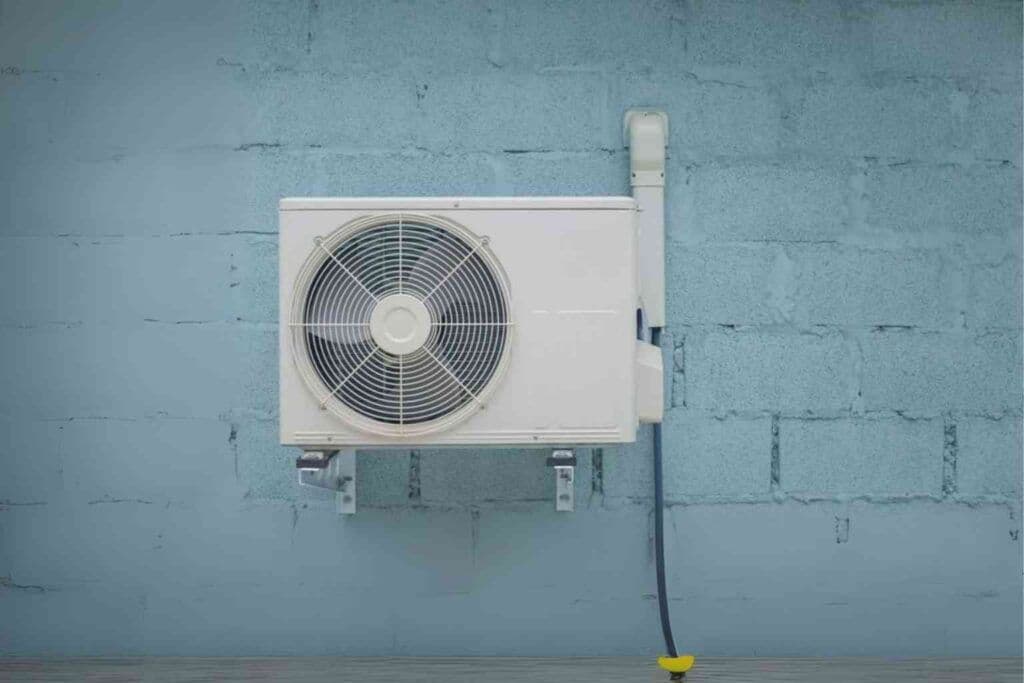
Ductless mini-splits provide zone-based temperature control, making them perfect for homes without ductwork, additions, garages, or rooms with uneven temperatures.
Hybrid systems combine a high-efficiency heat pump with a gas furnace. The system automatically switches between electricity and gas depending on outdoor temperatures to maximize efficiency and minimize costs.
Packaged systems integrate heating and cooling components into a single outdoor unit. These systems are space-saving and commonly used in smaller homes or properties with limited indoor space.
High-efficiency HVAC systems require a higher upfront investment but offer substantial long-term savings through reduced energy bills and maintenance costs.
Typical installed costs range from $4,000 to $12,000, depending on system type, size, efficiency rating, and installation complexity.
HVAC System Type | Unit Cost | Installed Cost | Best For |
|---|---|---|---|
High-Efficiency Central AC | $3,500 – $6,500 | $5,500 – $9,000 | Homes with existing ductwork |
Air-Source Heat Pump | $4,500 – $8,000 | $6,500 – $12,000 | Heating & cooling in warm to moderate climates |
Geothermal Heat Pump | $8,000 – $15,000 | $15,000 – $30,000 | Maximum efficiency & long-term savings |
Selecting the most efficient HVAC system involves balancing efficiency ratings, comfort, and long-term savings.
Look for ENERGY STAR®-certified systems with high SEER2 (cooling), AFUE (furnaces), or HSPF2 (heat pumps) ratings.
Hot regions benefit most from high-SEER2 air conditioners or heat pumps, while colder climates may require hybrid systems or high-efficiency furnaces.
An oversized or undersized HVAC system wastes energy and reduces comfort. A professional Manual J load calculation ensures proper sizing.
Evaluate central AC, heat pumps, ductless systems, and geothermal options based on your home layout and efficiency goals.
Even the most efficient HVAC system will underperform if installed incorrectly. Choose a licensed, experienced HVAC contractor.
Although high-efficiency systems cost more upfront, lower energy bills and reduced repair costs often deliver a strong return on investment.
VRF systems adjust refrigerant flow in real time, allowing independent temperature control across zones while minimizing energy waste.
Using stable underground temperatures, geothermal systems deliver unmatched efficiency, long system life, and extremely low operating costs.
High SEER2 ratings, zoning flexibility, and minimal energy loss make mini-splits one of the most efficient HVAC options available.
Designed for whole-home comfort, these systems combine variable-speed technology with smart controls for optimal efficiency.
Even the most energy efficient HVAC system performs best when supported by proper maintenance and home upgrades.
Many high-efficiency HVAC systems qualify for federal tax credits, local utility rebates, and financing programs. These incentives can significantly reduce upfront costs and improve ROI. Always ask your HVAC contractor about current rebates available in your area.
Upgrading to an energy efficient HVAC system is one of the smartest long-term investments you can make for your home, lower bills, better comfort, and reduced environmental impact.
If you are located in Dallas / Fort Worth area and you're looking for a having energy efficient HVAC systems there’s one smart place to call. At Team Enoch, we have the expertise and trained professionals you need to install, fix, and correct problems, small or large, so that your HVAC system works fine all the time. And when you’re ready for improvements and upgrades, we’re ready to help as well!
Contact us for all your plumbing, air conditioning, and electrical needs. Remember, estimates are always free!
Ductless Mini-Split | $2,000 – $5,000 per zone | $4,000 – $12,000+ | Homes without ducts or zoned comfort |
Hybrid Heating System | $5,000 – $8,500 | $7,500 – $14,000 | Cold or variable climates |
Packaged HVAC System | $3,000 – $6,000 | $5,000 – $9,500 | Smaller homes & tight installations |