
Failed Compressor? Know AC Compressor Replacement Cost in Texas 2025
Warm air, strange noises, or high bills? These are signs of a failing AC compressor. Learn causes, repair costs, and how to prevent breakdowns.
January 6, 2026

A failed AC compressor shows clear warning signs: warm air from vents, unusual grinding or clicking noises from the outdoor unit, frequent circuit breaker trips, higher electricity bills, and visible refrigerant leaks or ice buildup. If your home AC compressor fails completely, your air conditioner cannot cool your home and requires immediate professional attention. Repair costs range from $1,200-$2,800 depending on whether you replace just the compressor or the entire outdoor unit.
Table of Contents
- What Does Your Home AC Compressor Do?
- 7 Warning Signs Your AC Compressor Is Failing
- What Happens When an AC Compressor Fails?
- Most Common Causes of AC Compressor Failure
- How Much Does AC Compressor Repair Cost?
- Is It Worth Replacing Your AC Compressor?
- How to Prevent Compressor Failure
- Frequently Asked Questions
What Does Your Home AC Compressor Actually Do?
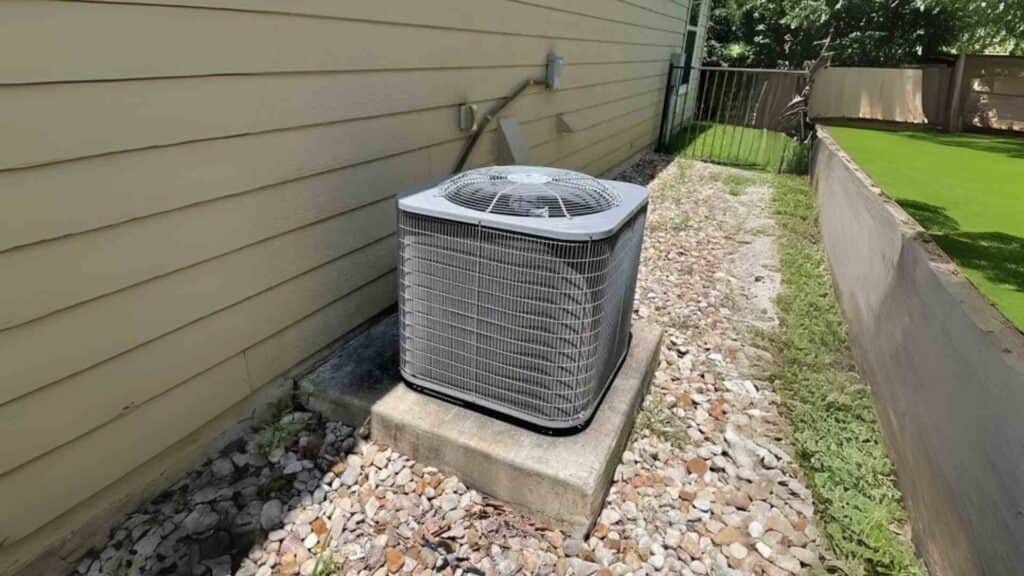
Your AC compressor is the heart of your home cooling system, located in the outdoor unit. It pumps refrigerant through your HVAC system, making it possible to remove heat from inside your home and release it outside.
Here's how it works in simple terms: The compressor pressurizes cool refrigerant gas from your indoor unit, transforming it into a hot, high-pressure gas. This hot gas then flows through the condenser coils outside, where heat escapes into the outdoor air. The refrigerant cools down, returns to liquid form, and cycles back indoors to absorb more heat.
Without a functioning compressor, this cycle stops completely. Your AC cannot cool your home, no matter how low you set the thermostat.
Average Lifespan: A well-maintained residential AC compressor typically lasts 10-15 years. However, neglecting maintenance, refrigerant issues, or electrical problems can significantly shorten this lifespan.
7 Clear Warning Signs Your AC Compressor Is Failing
Catching compressor problems early can save you thousands of dollars. Watch for these 7 clear red flags:
1. Warm Air Blowing From Vents (Most Common Sign)
When your home AC compressor fails, the most obvious symptom is warm or room-temperature air coming from your vents instead of cold air. This happens because the compressor can no longer pressurize and circulate refrigerant properly.
What to check: Place your hand directly under a vent while the AC runs. If the air feels barely cool or warm, your compressor may be struggling or has already failed.
2. Loud or Unusual Noises From the Outdoor Unit
A healthy AC compressor makes a steady, low humming sound. Bad AC compressor symptoms include:
- Grinding or screeching: Internal components are wearing down
- Clicking that won't stop: The compressor is trying to start but can't
- Banging or clanking: Loose parts inside the compressor housing
- Buzzing or humming without the fan running: Electrical issues preventing startup
These noises indicate your residential AC compressor is failing and needs immediate inspection.
3. The Outdoor Unit Won't Turn On At All
If your outdoor unit (condenser) remains completely silent when you turn on the AC, the compressor may have seized. This is one of the most definitive signs of a failed AC compressor.
First, check if the circuit breaker has tripped. If resetting it doesn't help, or if it trips again immediately, the compressor has likely failed.
4. Circuit Breaker Trips Repeatedly
A failing compressor draws excessive electrical current as it struggles to operate, causing your home's circuit breaker to trip as a safety measure.
One-time trip: Could be a temporary surge
Repeated trips: Strong indicator of compressor failure or serious electrical issues
This is one of the critical HVAC compressor failure symptoms that demands immediate professional attention to prevent electrical hazards.
5. Dramatically Higher Energy Bills
When your AC compressor isn't working efficiently, it runs longer and works harder to attempt cooling your home. This shows up as a 30-50% spike in your electricity costs during cooling months, even if your usage patterns haven't changed.
What to do: Compare your current bills to the same months last year. A significant increase without explanation often points to a struggling compressor.
6. Visible Refrigerant Leaks or Ice Buildup
Signs of refrigerant problems (which lead to compressor failure):
- Oily residue or puddles near the outdoor unit
- Hissing or bubbling sounds from refrigerant lines
- Ice forming on the outdoor unit or indoor evaporator coils
- Sweet, chemical smell near the AC units
Low refrigerant levels force your compressor to work excessively hard, accelerating wear and eventual failure.
7. AC Runs Constantly But House Stays Warm
If your air conditioner never shuts off but your home temperature won't drop, this is a classic sign your AC compressor has failed or is severely weakened. The system runs continuously because it cannot achieve the set temperature, indicating the compressor can no longer adequately pressurize refrigerant.
What Happens When Your Home AC Compressor Fails?
When an AC compressor fails completely, several things occur:
Immediate Effects:
- Your AC cannot produce cold air, only circulating room-temperature air
- The outdoor unit may remain silent or make clicking sounds as it tries to start
- Your home becomes increasingly uncomfortable, especially during summer heat
If You Keep Running It:
- Higher electricity bills with zero cooling benefit
- Potential damage to other HVAC components
- Risk of electrical issues or complete system failure
- Possible refrigerant leaks that harm the environment
Important: Turn off your AC immediately if you suspect compressor failure. Continuing to run it can cause additional expensive damage to your HVAC system.
10 Most Common Causes of Home AC Compressor Failure
Understanding what destroys an AC compressor helps you prevent future problems:
1. Electrical Failures and Power Surges
Lightning strikes, voltage fluctuations, and faulty wiring create acid buildup inside your HVAC system, corroding the compressor from within. This is the leading cause of residential AC compressor failure.
2. Dirty Condenser Coils
When outdoor coils are covered in dirt, grass clippings, or debris, they cannot release heat effectively. This forces your compressor to work harder and overheat.
3. Low Refrigerant Levels (Leaks)
Your AC doesn't "use up" refrigerant. If levels are low, you have a leak. Low refrigerant reduces system pressure, making the compressor strain excessively to circulate what's left.
4. Too Much Refrigerant (Overcharging)
Inexperienced technicians sometimes add too much refrigerant during service. Excess refrigerant increases system pressure beyond safe levels, causing premature compressor failure.
5. Lack of Proper Lubrication
Compressor components need specific oil for smooth operation. When oil levels drop due to leaks or maintenance neglect, metal parts grind against each other, causing rapid deterioration.
6. Blocked or Dirty Air Filters
When air filters are clogged, your system cannot move air properly. This creates back pressure and forces the compressor to work harder than designed, shortening its life.
7. Outdoor Unit Blocked by Debris
Leaves, grass, shrubs, and outdoor furniture blocking airflow around your condenser unit trap heat. Poor ventilation leads to compressor overheating and failure.
8. Suction Line Issues
Damaged, kinked, or improperly sized refrigerant lines restrict refrigerant flow. Your compressor must work excessively hard to move refrigerant through compromised lines.
9. Thermostat or Control Board Malfunctions
Faulty thermostats can cause the compressor to short-cycle (turn on and off rapidly) or run continuously. Both patterns accelerate compressor wear.
10. Age and Normal Wear
Even with perfect maintenance, compressors have a finite lifespan. Internal components gradually wear down over 10-15 years of operation.
How Much Does It Cost to Fix an AC Compressor?
Understanding residential AC compressor repair costs helps you make informed decisions:
Compressor Replacement Only
Cost Range: $1,200 - $2,800
Includes: New compressor, labor, refrigerant recharge
When this makes sense:
- Your AC is less than 10 years old
- The compressor is still under warranty (you pay labor only)
- All other components are in good condition
Full Outdoor Unit Replacement
Cost Range: $2,000 - $4,500
Includes: Entire condenser unit, installation, refrigerant
When this makes sense:
- Your compressor warranty has expired
- The outdoor unit is 8-12 years old
- Multiple components show wear beyond just the compressor
Complete HVAC System Replacement
Cost Range: $5,000 - $12,000
Includes: New outdoor unit, indoor evaporator coil, installation
When this makes sense:
- Your system is 12+ years old
- Uses outdated R-22 refrigerant (being phased out)
- Multiple major components have failed
- You want improved efficiency and lower long-term costs
Average cost to replace a central AC unit (complete system): $6,500 for a mid-range 3-ton system with standard installation.
Is It Worth Replacing Your AC Compressor?
The answer depends on three key factors:
Factor 1: Age of Your System
System is 0-5 years old: Absolutely replace the compressor, especially if under warranty. Your system has many good years left.
System is 6-10 years old: Consider compressor replacement if other components are healthy. Get a second opinion on overall system condition.
System is 11+ years old: Strongly consider full system replacement. Investing $2,000+ in an aging system rarely makes financial sense when it may fail again soon.
Factor 2: Warranty Coverage
Compressor under warranty: Replace it. You'll only pay labor costs ($500-$800), making this the clear choice.
Out of warranty: Weigh the full replacement cost against a new system with a fresh 10-year warranty on all components.
Factor 3: Refrigerant Type
Uses R-410A or newer refrigerant: Repair is viable
Uses R-22 refrigerant (freon): Replace the system. R-22 is being phased out, making repairs increasingly expensive and impractical.
The 50% Rule
Many HVAC professionals use this guideline: If the repair cost exceeds 50% of a new system's cost and your AC is over 10 years old, replacement is typically the better investment.
How to Prevent AC Compressor Failure: 8 Essential Tips
Most home AC compressor failures are preventable with proper maintenance:
1. Schedule Professional Maintenance Twice Yearly
Have a certified HVAC technician inspect your system in spring (before cooling season) and fall. They'll catch problems before they cause compressor damage.
What they check: Refrigerant levels, electrical connections, coil cleanliness, proper airflow, and compressor operation.
2. Change Air Filters Every 1-3 Months
Dirty filters restrict airflow, forcing your compressor to work harder. This is the simplest maintenance task that prevents expensive repairs.
Filter frequency:
- Monthly: If you have pets or allergies
- Every 2-3 months: Standard households
- Check manufacturer recommendations for your specific system
3. Keep the Outdoor Unit Clean and Clear
Remove leaves, grass clippings, and debris from around your condenser unit. Maintain at least 2 feet of clearance on all sides for proper airflow.
Seasonal tasks:
- Spring: Remove accumulated winter debris
- Summer: Trim nearby vegetation monthly
- Fall: Clear fallen leaves promptly
- Winter: Remove ice buildup carefully
4. Clean Condenser Coils Annually
Dirty coils are among the most common causes of compressor failure. Clean them each spring before heavy AC use begins.
DIY method: Gently spray coils with a garden hose from inside out. For heavy buildup, hire a professional with specialized coil cleaning equipment.
5. Install a Surge Protector
Power surges from lightning or grid fluctuations cause electrical damage leading to compressor failure. A whole-home surge protector or dedicated HVAC surge protector provides affordable insurance.
Cost: $150-$400 installed
Benefit: Protects against electrical damage that causes most premature compressor failures
6. Follow the 3-Minute Rule for Air Conditioners
Never turn your AC off and immediately back on. Wait at least 3 minutes between cycles to allow system pressure to equalize. Rapid cycling strains the compressor and shortens its life.
Why this matters: When you immediately restart the AC, the compressor must work against high pressure, causing excessive wear.
7. Address Strange Noises Immediately
Don't ignore unusual sounds from your HVAC system. Small issues become major compressor failures when neglected.
Rule of thumb: If your AC makes noises you haven't heard before, call a technician within a week.
8. Verify Refrigerant Levels Annually
Only certified technicians should handle refrigerant, but you should request verification during maintenance visits. Proper refrigerant levels prevent compressor strain.
When to Call a Professional
Contact an HVAC technician immediately if you notice:
- Warm air when AC should be cooling
- Loud, unusual noises from the outdoor unit
- Circuit breaker trips when AC runs
- Ice on outdoor unit or refrigerant lines
- AC runs constantly without cooling home
- Dramatic spike in electricity costs
Don't wait for complete failure. Early intervention can sometimes prevent total compressor replacement, saving thousands of dollars.
Recognizing the signs of a failed AC compressor early gives you options and control over repair costs. While compressor failure feels like an emergency, understanding your system's age, warranty status, and the actual costs of various solutions helps you make the right financial decision.
Most importantly, remember that preventive maintenance is far cheaper than emergency repairs. Annual professional service, clean filters, and keeping your outdoor unit clear can extend your compressor's life by years and save you thousands in replacement costs.
Need help with your AC compressor? Don't wait until complete failure. Schedule a diagnostic appointment with a certified HVAC technician to assess your system and discuss your best options.
FAQ Videos

Is your home ready to face the chill? Trey from Team Enoch is here to guide you through the must-do winter prep for your plumbing.
Read More
Good, better, best. Goodman vs. Carrier vs. Traine. And, what is a variable speed system?
Read More
It doesn't need a tune up! Does your system need a tune up or full replacement?
Read More
Do you know what's supposed to be in an AC quote? Most people don't, and that's how they get charged for things later.
Read More
Here's the $5,000 rule we use for every call.
Read More
AC For $8,180. That's everything. Here's exactly what's in a real AC install quote no hidden fees.
Read More
How much does AC replacement actually cost in DFW? Don't have time? Get your estimate online!
Read More
Do you know what's in your AC quote?
Read More