Logo

Sign up to our newsletter and get all of the latest news and updates.

Contact Us

mail@teamenoch.com(407) 336-8000100 E Pine St STE 110Orlando, Florida 32801

Quick Links

About UsMembershipsFinancingBlogsPrivacy Policy

Services

HeatingAir ConditioningCommercial Services
bbbnate
bbb
nate

License #CAC1824490

You've done your homework. You compared brands, checked efficiency ratings, read reviews, and got multiple quotes. You went with a contractor who came in under budget. The new unit gets installed, and for the first week everything seems fine.


Then the energy bill arrives. It's higher than before the replacement. One side of the house still runs warm. The system clicks on and off every few minutes. And six months later, you're already calling for a repair.

This is one of the most common and frustrating scenarios in HVAC, and in almost every case, the problem isn't the equipment. It's the installation.

The hard truth is this: the brand you choose, the SEER2 rating you pay for, and the features you invested in are all secondary to how the system gets installed. A premium unit installed poorly will consistently underperform a mid-range unit installed correctly. And yet when most homeowners shop for a new HVAC system, price and brand are the two things they compare, while the quality of the installation itself rarely gets a second thought.

This guide changes that. We'll walk you through exactly why installation quality is the defining factor in your HVAC system's performance, what the real cost of a poor installation looks like over time, the warning signs every homeowner should know, and what to look for when hiring a contractor in Texas or anywhere else.

The Uncomfortable Statistic No HVAC Contractor Will Put In Their Ad

According to a landmark study by the National Institute of Standards and Technology (NIST), improper HVAC installation can increase a household's energy use for heating and cooling by as much as 30% over what it should be. That's not a typo, a brand new, expensive system installed with common errors can cost you nearly a third more to operate than a properly installed one.

The NIST research, which studied installation faults on heat pump performance across multiple climate conditions, identified the following errors as the most damaging to real-world system efficiency: leaky air ducts (the most common fault by a significant margin), refrigerant undercharge or overcharge, incorrect indoor airflow caused by improperly sized ductwork, and oversized equipment paired with undersized ducts. And critically, when two or more of these faults are present at the same time, the efficiency losses compound on top of each other.

The data gets even harder to ignore. According to Energy Star, more than half of HVAC systems installed in American homes are not delivering the efficiency and savings they were designed for, because of installation errors. Not manufacturer defects. Not equipment failure. Installation errors.

Some industry estimates put the figure even higher. Multiple sources, including HVAC.com and Bergeron Mechanical Systems, cite studies suggesting that up to 90% of HVAC installations have some form of error, ranging from relatively minor thermostat placement problems to significant issues like improper sizing or ductwork that was never sealed.

When you consider that your HVAC system accounts for roughly half of your home's monthly energy bill, the financial consequences of a careless install are significant and ongoing, starting on day one.

What "Cutting Corners" Actually Looks Like

For most homeowners, the term "cutting corners" in HVAC conjures an image of obviously shoddy work. In reality, many of the most costly installation shortcuts are invisible, you can't see them without professional equipment, and the effects accumulate quietly in the background until something breaks or your utility bills finally get your attention.

Here are the most common ways low-bid contractors produce systems that never reach their potential:

Skipping the Manual J Load Calculation

This is the single most important step in any HVAC installation, and it's the one most frequently skipped. A Manual J load calculation is a room-by-room analysis of your home's heating and cooling requirements, it accounts for square footage, ceiling height, insulation levels, window size and orientation, air infiltration, shading, local climate data, and more. It's the only way to accurately determine what size system your home actually needs.

Many contractors skip this entirely and simply replace your old system with the same size unit. This seems logical on the surface, but it ignores the fact that your original system may have been incorrectly sized from the beginning, that you may have added insulation or made other changes, and that equipment sizing standards have changed over the years.

A system that is too large will short-cycle, meaning it turns on, rapidly cools or heats the space to the thermostat setpoint, then shuts off before completing a full cycle. This sounds harmless but creates a cascade of problems: poor humidity control (critical in Texas summers), uneven temperatures, excessive wear on the compressor from constant start/stop stress, and a dramatically shortened equipment lifespan. As Trane's Eric Weiss puts it, constant on/off cycling "stresses the HVAC system and ages it prematurely."

A system that is too small runs continuously, never catches up on hot days, burns out sooner, and still leaves your home uncomfortable at the times you need it most.

Improper Refrigerant Charge

Every HVAC system requires a precise refrigerant charge, the amount needs to match the manufacturer's specifications for the specific equipment and application. Refrigerant isn't a "more is better" situation. Too little refrigerant (undercharge) causes the system to lose cooling capacity, run longer, and eventually freeze up the evaporator coil. Too much refrigerant (overcharge) creates excessive pressure that stresses the compressor. Either way, an incorrect charge compromises both efficiency and lifespan.

Checking and setting the correct refrigerant charge requires proper gauges, weighing equipment, and technical knowledge. A rushed installer may skip this step entirely, assume the factory charge is sufficient for all applications, or fail to account for line set length, all of which produce the same result: a system running at a fraction of its rated capability.

Leaky or Improperly Installed Ductwork

NIST identified duct leakage as the dominant installation fault in its study, and for good reason. According to the U.S. Department of Energy, leaky ductwork in a typical home wastes 20–30% of the conditioned air the system produces. Air that you paid to cool or heat simply escapes into your attic, crawl space, or wall cavities before ever reaching the living space.

In hot and humid climates like Texas, this problem is compounded further. Duct leakage in unconditioned attic space (where summer temperatures can exceed 150°F) not only wastes energy but dramatically increases indoor humidity. Homeowners in this situation typically compensate by lowering the thermostat setpoint, which drives energy consumption even higher in a vicious cycle.

A quality installation includes sealing all duct connections and joints, pressure testing the duct system, ensuring ducts are properly insulated, and designing duct pathways that minimize resistance and length. This takes time. It's not glamorous. And it's the first thing to go when a contractor is trying to win on price.

Incorrect Thermostat Placement

The location of your thermostat directly controls when your HVAC system runs, so placing it incorrectly causes the entire system to respond to the wrong data. A thermostat installed near a sunny window, close to the kitchen, above a lamp, or in a hallway with poor air circulation will give false temperature readings. The system will turn on when it shouldn't, turn off before the job is done, and create the impression that your new equipment just isn't performing well, when the problem is a box on the wall in the wrong location.

Skipping Permits and Inspections

In most Texas municipalities, HVAC installations require a permit and a subsequent inspection by a city or county inspector. This is not bureaucratic red tape, it's a second set of eyes on the installation, performed by someone whose job is specifically to identify code violations and safety hazards. A contractor who offers to skip the permit process is doing so to save time and avoid scrutiny. The risk falls entirely on you: unpermitted work can create problems when you sell the home, may void your homeowner's insurance coverage, and leaves you without any official record that the work was inspected and approved.

The Real Long-Term Cost of a Bad Installation

Let's put some numbers to what "improper installation" actually costs a homeowner over time.

The average Texas household spends somewhere in the range of $2,000–$3,000 per year on heating and cooling, depending on home size, insulation, and usage habits. If a poor installation is reducing your system's efficiency by even 20%, well below the 30% NIST found was possible, that translates to roughly $400–$600 in unnecessary energy costs every single year.

Over a 10-year system lifespan, that's $4,000–$6,000 in excess utility bills. Add in the repair calls that a stressed, improperly installed system generates in the first few years, and the true cost of choosing the lowest-bid contractor becomes clear very quickly.

On the lifespan side, the comparison is stark. A well-installed HVAC system in a Texas climate, with regular maintenance, can last 15–20 years. An improperly installed system can fail in as little as 5–7 years. Replacing a system two full replacement cycles early, because the first installation was poor, means spending $5,000–$10,000 that you otherwise wouldn't have had to.

There's also the warranty dimension. Most HVAC manufacturers require certified professional installation for the warranty to remain valid. Sloppy installation work, mismatched indoor and outdoor units, poor electrical connections, incorrect refrigerant line sizing, can void your manufacturer's warranty entirely, even if the unit was installed by a licensed contractor. That means the $1,500 compressor repair that would have been covered under warranty becomes your cost, and the contractor who cut corners is long gone.

7 Warning Signs Your HVAC Was Installed Incorrectly

If you've recently had a new system installed and anything on this list sounds familiar, it's worth having an independent technician evaluate the installation before problems compound.

Your energy bills went up after the new installation. A new system should reduce your energy costs, not increase them. If your first bill after installation is higher than expected, something is wrong, and the most common culprits are improper refrigerant charge, duct leakage, or incorrect system sizing.

The system short-cycles. If your HVAC is turning on and off every few minutes, or cycling multiple times within an hour, this is almost always a sign of an oversized system that was selected without a proper load calculation.

Uneven temperatures throughout your home. Some rooms are too hot, others too cold, even when the system runs constantly. This points to airflow problems, usually a combination of improper duct sizing and sealing failures.

Unusual noises from the indoor or outdoor unit. Banging, hissing, clanking, or excessive vibration from a brand-new system. These sounds indicate installation issues ranging from loose components and improper mounting to ductwork that's creating pressure imbalances.

Excess humidity indoors during summer. Your air conditioning system removes moisture from the air as part of the cooling process. If your home feels thick and muggy even with the AC running, the refrigerant charge may be off, or the system is short-cycling and not running long enough to dehumidify properly.

You needed repairs within the first year or two. A new, properly installed system should require zero repairs for the first several years under normal conditions. Early repairs almost always trace back to installation issues, loose electrical connections, improper mounting, or refrigerant leaks from improperly brazed line connections.

The contractor didn't pull a permit. This isn't a performance symptom, but it's a red flag worth mentioning. If the installer didn't pull a permit, the work was never inspected. You have no independent verification that the installation met code, and you have no protection if issues arise.

What a Quality HVAC Installation Actually Looks Like

Knowing what bad looks like is only half the equation. Here's what you should expect from a contractor who does the job right, so you have a concrete checklist before agreeing to any installation.

A quality installation begins before any equipment is ordered. Your contractor should conduct a full Manual J load calculation and explain their findings to you. They should evaluate your existing ductwork, inspecting for leaks, measuring airflow, and recommending sealing or modifications where needed. They should explain exactly why they're recommending the specific equipment they're proposing, and that recommendation should be based on your home's actual load data, not on what you had previously.

During the installation itself, the technician should perform proper nitrogen-purged brazing on all refrigerant line connections, a step that produces stronger, cleaner joints and prevents contamination inside the refrigerant circuit. They should set the refrigerant charge precisely using calibrated gauges, accounting for the specific line set length in your installation. All duct connections should be sealed, not just taped. The condensate drain should be properly trapped and pitched to prevent backup.

Before leaving, the technician should commission the system, verifying refrigerant charge, measuring airflow at the registers, confirming the thermostat is properly calibrated and programmed, and testing that every mode of operation works correctly. You should receive a walkthrough that covers system operation, filter change intervals, and what to do if you notice a problem.

Finally, the contractor should register your equipment warranty with the manufacturer, confirm any required permits have been pulled, and schedule the inspection if your municipality requires one.

If your installation didn't include these steps, or if the job was completed unusually fast without any testing or verification, it may be worth having an independent technician review the work.

People Also Ask: The Questions We Hear Most Often

Does the brand of HVAC equipment matter if the installation is done right?

Brand matters less than most homeowners think. Equipment from reputable manufacturers, whether you're looking at Carrier, Trane, Lennox, Rheem, or any other major name, is all manufactured to meet federal efficiency standards and will perform comparably when installed correctly. What you're really paying for with premium brands is typically longer warranty coverage, better availability of replacement parts, and dealer support networks. A well-installed mid-tier system will outperform a poorly installed premium system every time.

Can a bad installation void my HVAC warranty?

Yes, and this is one of the most important reasons to hire carefully. Most manufacturers require installation by a licensed professional and specify that installation must follow their technical requirements. Sloppy work, including mismatched components, incorrect refrigerant line sizing, or improper electrical connections, can give the manufacturer grounds to deny warranty claims on the basis that failures were caused by the installation rather than a product defect. Always confirm that your contractor registers your equipment with the manufacturer after installation, which is typically required within 60–90 days.

Why are my energy bills higher after getting a new HVAC system?

This is almost always an installation problem. The most common causes are a refrigerant charge that is too low (causing the system to run longer to achieve the same cooling), duct leakage that was introduced or went unaddressed during the installation, or an oversized system that short-cycles and never properly dehumidifies, causing homeowners to lower the thermostat to compensate for humidity discomfort.

How long should a new HVAC system last?

A properly installed and regularly maintained system in a Texas climate typically lasts 15–20 years for the indoor components and 12–15 years for the outdoor unit. An improperly installed system can fail in 5–7 years. The difference in lifespan is almost entirely a function of the stress placed on components, and poor installation puts the system under unnecessary stress from day one.

What is a Manual J load calculation and do I really need one?

Yes, you really do. A Manual J is the industry standard method for calculating your home's heating and cooling load, it's the science behind determining what size system your home actually needs. Without it, your contractor is guessing, and an incorrect system size will affect comfort, efficiency, and equipment lifespan for the entire time you own the system. Any reputable HVAC contractor should perform this before recommending equipment.

Is it worth paying more for a better HVAC contractor?

The research answers this clearly: yes. A mid-efficiency system that is installed correctly will outperform and outlast a high-efficiency system installed poorly. The cost of fixing bad installation work, or worse, living with its consequences for years, consistently exceeds the price difference between contractors. When comparing quotes, ask specifically what each proposal includes in terms of load calculation, ductwork evaluation, refrigerant commissioning, and warranty registration. If one quote skips those steps, it's not an apples-to-apples comparison.

How to Vet an HVAC Contractor Before You Sign Anything

When you're getting quotes for a new installation in Texas, here are the specific things worth verifying before any work begins:

Confirm the contractor holds a valid Texas Air Conditioning Contractor License (TACLB number). This is not optional, unlicensed HVAC work in Texas is illegal, and an unlicensed contractor cannot legally pull permits on your behalf.

Ask whether they perform a Manual J load calculation before recommending a system size. If the answer is no, or if they say "we'll just match what you have," take that seriously as a quality signal.

Ask what they include in their ductwork process. Will they inspect and test existing ducts? Seal connections? Perform a pressure test? Or will they simply connect the new equipment and leave the ducts as-is?

Ask who registers your equipment warranty, and when. This step is often overlooked until it's too late.

Ask whether permits will be pulled. In most DFW and Texas metro areas, permits are required for HVAC replacements. A contractor who volunteers to skip this step is saving themselves time at your expense.

Ask about their commissioning process, what they test and verify before they consider the job complete. A contractor who tests nothing and leaves without measuring airflow or verifying refrigerant charge is not doing the job correctly regardless of what their invoice says.

A Note for Texas Homeowners Specifically

Texas HVAC systems face some of the most demanding operating conditions in the country. A system in the DFW area may log 2,000–2,500+ cooling hours per year, roughly twice what a system in a moderate climate might see. In San Antonio and Houston, the combination of heat and sustained high humidity puts enormous strain on both the cooling and dehumidification functions simultaneously.

This means that installation errors that might go unnoticed in a milder climate become serious problems in Texas. Leaky ductwork in an unconditioned attic where temperatures exceed 150°F during summer creates both a major efficiency drain and a humidity problem indoors. An improper refrigerant charge that causes the system to struggle on 95°F days may not even be noticeable on a 75°F day in spring, but it becomes the system's entire existence from June through September.

The extended operating season here also means that stress on improperly installed components accumulates much faster than it would in most of the country. A compressor that might hold up for several years under normal stress can fail within two or three seasons of running in conditions it wasn't designed for.

This is why the quality of your installation matters even more in Texas than it does in the rest of the country, and why getting it right the first time is worth the effort of asking the right questions before you sign a contract.

Bottom Line

The HVAC industry's own research, led by NIST, endorsed by ACCA, and documented by Energy Star, reaches a consistent conclusion: installation quality is the primary determinant of whether an HVAC system delivers the comfort, efficiency, and lifespan it was designed for. Equipment brand and efficiency rating are secondary.

That doesn't mean the cheapest contractor is the right answer, and it doesn't mean the most expensive one is either. What it means is that you should evaluate HVAC proposals based on what each contractor plans to do, not just what they plan to install. A detailed, methodical installation by a licensed professional, one that includes proper sizing, thorough ductwork evaluation, precise commissioning, and permit compliance, will deliver more long-term value than any particular brand or efficiency rating ever will.

If you're planning an HVAC installation or replacement in the Dallas-Fort Worth area, Arlington, Fort Worth, Austin, San Antonio, Houston, or anywhere else in Texas, the most important thing you can do is ask the right questions upfront. The answers will tell you everything you need to know about the contractor you're considering.

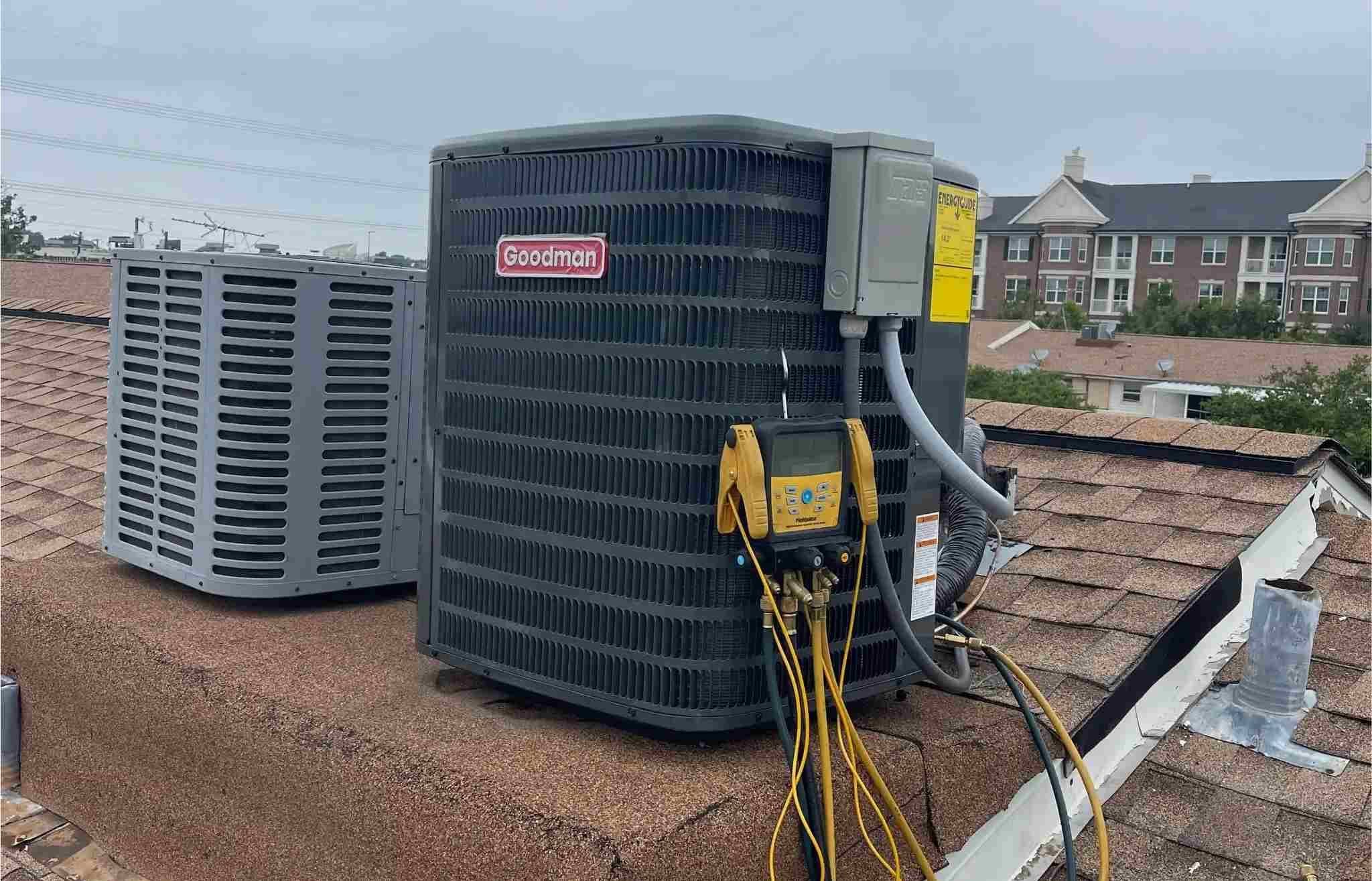
Outdoor HVAC Unit Installation

Why Proper HVAC Installation Matters More Than Price

Professional HVAC installation ensures optimal efficiency, long-term savings, and reliable comfort—proving that quality matters more than the lowest price.

Team Enoch

March 21, 2026

Talk To Our Orlando Service Experts

Fill out this form to receive a call from one of our experts or call us directly at (407) 336-8000

Talk To Our Orlando Service Experts

Fill out this form to receive a call from one of our experts or call us directly at (407) 336-8000

Logo

Services

Service Areas

Financing

Memberships

Company

Get a Quote

Logo