How Vent Positioning Can Maximize Optimal Airflow
Struggling with uneven home temperatures? Improve airflow instantly with smart vent positioning strategies. Easy tips to boost comfort and lower bills.
Team Enoch
December 3, 2025
When it comes to maintaining a comfortable home or business environment, most people think first about the HVAC system itself, the furnace, air conditioner, or heat pump. While equipment efficiency is important, one often-overlooked factor is vent positioning. The placement and orientation of supply and return vents directly affect how well air circulates through a space, influencing comfort, energy bills, and even indoor air quality.
This guide explores why vent positioning matters, how improper placement can cause airflow problems, and the best strategies to maximize optimal airflow for year-round comfort.
Your HVAC system is designed to heat and cool air, but without proper vent placement, that air won’t distribute evenly. Poor airflow can lead to:
By simply optimizing where vents are located and how they’re positioned, homeowners and businesses can often improve comfort without upgrading equipment.
Many homes and offices suffer from poor vent placement. Some of the most common issues include:
Correctly positioning air conditioning vents is essential for maintaining consistent indoor comfort, maximizing energy efficiency, and preventing hot or cold spots. Vent placement and airflow direction should work with natural air movement, seasonal needs, and room layout rather than against them.
Summer (Cooling Mode):
For cooling, supply vents should be placed high on walls or in the ceiling whenever possible. Cool air is denser and naturally falls, so directing vents upward allows the air to spread across the ceiling before gently circulating downward through the room. This creates even cooling and avoids cold drafts directly on occupants.
Winter (Heating Mode):
When heating, vents work best when warm air is directed across the room rather than straight down. Floor-level vents should aim upward, while ceiling vents should be angled downward. Because warm air rises, spreading it along the ceiling allows it to cool slightly and descend evenly, improving comfort throughout the space.
Vents should always be kept clear of furniture, curtains, rugs, and other objects that can block airflow. Obstructions reduce efficiency, strain the HVAC system, and create uneven temperatures. Vents should also be placed away from doors or entryways, where frequent opening and closing can disrupt airflow and cause air loss.
To promote balanced circulation, supply vents should be positioned on opposite walls or across the room from one another when possible. This encourages air to move throughout the entire space instead of remaining concentrated in one area.
Ceiling Vents:
Ceiling-mounted vents are ideal for cooling because they stay unobstructed and take advantage of natural convection. They also reduce dust movement and distribute air more evenly across the room.
Return Vents:
Return vents should be centrally located and positioned opposite supply vents to pull air effectively back into the system. They should not be placed directly in front of a supply vent, as this can short-cycle airflow and reduce overall efficiency.
Adjustable Louvers:
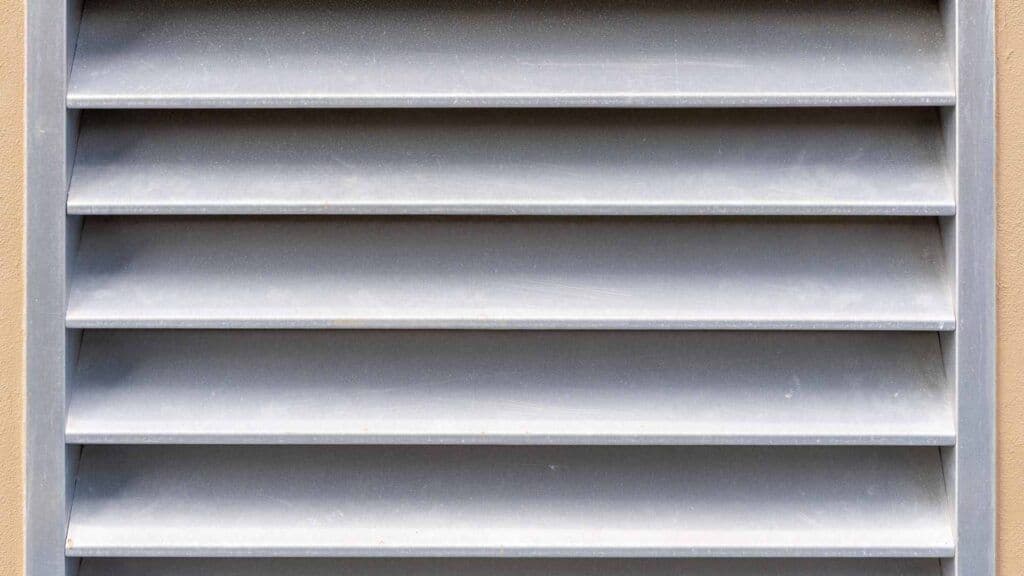
Adjustable louvers or directional fins allow you to fine-tune airflow. Louvers should direct air into the open space of the room rather than toward walls, corners, or directly at people. This improves comfort without increasing energy use or creating drafts.
For whole-home systems or complex layouts, consulting an HVAC professional is recommended. A technician can ensure vents and returns are properly sized and positioned for balanced airflow throughout the home.
Vents should generally remain open to maintain proper system pressure and efficiency. While partially closing vents in unused rooms can redirect some airflow, fully closing them may strain the system. Vent placement should also consider how the room is used, ensuring conditioned air reaches the most occupied areas and the furthest points in the space.
Optimizing vent positioning doesn’t always require tearing apart walls or ducts. Many improvements can be made by adjusting placement, orientation, or usage habits.
The simplest step is ensuring all vents remain unobstructed. Avoid placing large furniture directly over floor registers or heavy curtains in front of wall vents. Even partially blocked vents can disrupt airflow balance across the system.
Most vents come with adjustable louvers or dampers that direct airflow. Aim louvers to encourage circulation:
Every room should ideally have both a supply and a return vent. If that isn’t possible, leave doors open to encourage cross-room circulation. For larger homes, upgrading to additional return vents may dramatically improve comfort.
Return vents are just as important as supplies. Avoid blocking them with furniture or sealing them off in unused rooms. Closing off returns creates negative pressure, pulling in unfiltered air through leaks and reducing efficiency.
Modern HVAC systems allow zoning controlling airflow to different areas independently. Proper zoning reduces the strain of forcing airflow through vents in rarely used rooms, improving comfort where it matters most.
If airflow issues persist, a professional HVAC contractor can evaluate ductwork and reposition vents for better distribution. Though more costly, this can solve persistent hot/cold spots and drastically improve efficiency.
How do you know if vent positioning is an issue in your home or business? Look for these signs:
Proper vent positioning doesn’t just improve comfort, it lowers energy bills. With balanced airflow:
If airflow problems persist after trying simple adjustments, it’s worth scheduling an HVAC inspection. Contractors can:
While DIY adjustments can help, professional testing ensures long-term efficiency and comfort.
Closing vents can actually harm your HVAC system. It creates pressure imbalances, forcing your system to work harder, which may increase energy use and shorten equipment life. Keeping all vents open helps maintain proper airflow.
It depends on your climate. In colder regions, floor or low-wall vents push warm air upward. In hotter climates, ceiling vents allow cool air to sink naturally. Homes in mixed climates may benefit from mid-wall or flexible vent placement.
Signs include uneven room temperatures, drafts, excessive dust, stuffiness, or a system that runs constantly without keeping your home comfortable.
Simple adjustments like clearing obstructions or redirecting louvers can be DIY. But relocating vents or adding returns requires ductwork changes, which should be handled by an HVAC professional.