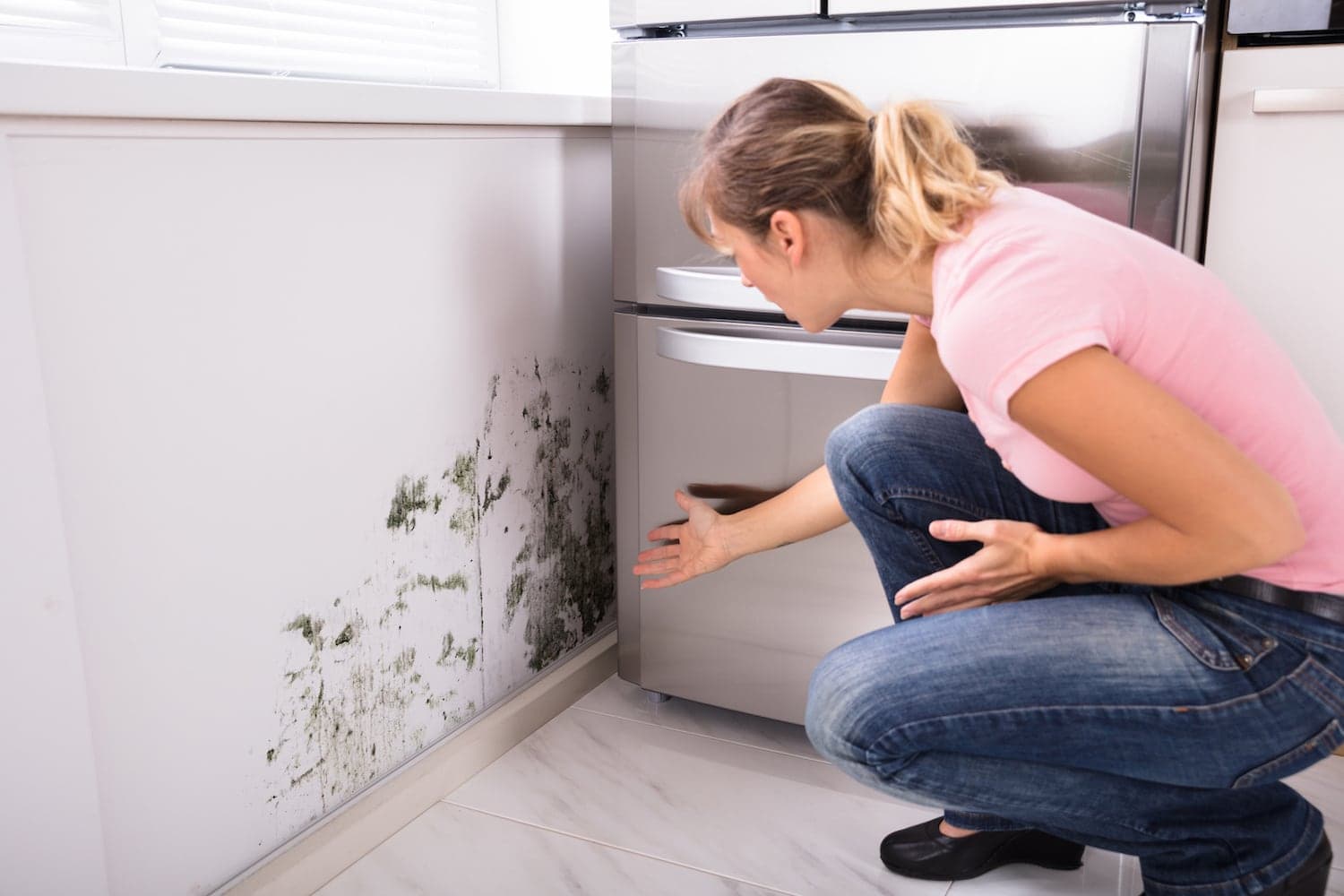
Most of us believe our homes are the safest places in our lives. But what if the very space meant to protect you is quietly making you sick?
Mold doesn’t knock on the door. It spreads silently, behind walls, beneath floors, and in the air you breathe every day. You might notice a strange smell, a dark spot that keeps coming back, or health symptoms that don’t seem to have a clear cause.
Finding mold in your home isn’t just unsettling, it’s a warning. And understanding that warning is the first step toward taking control.
This guide breaks down what mold really is, how to recognize the signs early, and what you can do, safely and effectively, to protect your home and your health
What Is Mold and Why Does It Grow Indoors?
Mold is a type of fungus that reproduces through microscopic spores floating in the air. While mold plays an important role outdoors by breaking down organic matter, indoor mold growth signals a moisture problem that needs immediate attention.
Mold needs three things to grow:
- Moisture – The #1 factor (from leaks, humidity, condensation, or flooding)
- Food source – Organic materials like wood, drywall, carpet, or dust
- Warm temperatures – Typically between 77-87°F, though some molds grow in cooler conditions
In humid climates, homes are particularly vulnerable because indoor humidity often exceeds the safe threshold of 60% relative humidity.
How to Detect Mold in Your Home
Visual Signs of Mold
Mold appears in various colors and textures depending on the type:
- Black mold (Stachybotrys) – Dark black or greenish-black, slimy texture
- Green mold (Aspergillus, Cladosporium) – Fuzzy or powdery appearance
- White mold (Penicillium) – Cotton-like or powdery
- Orange/pink mold – Often found in bathrooms, can be slimy
Common locations:
- Bathroom walls, shower grout, and ceilings
- Under sinks and around pipes
- Basement walls and floors
- Behind wallpaper or paneling
- HVAC systems and air ducts
- Window sills and frames
- Attics with roof leaks
The Smell Test
Even when mold isn't visible, you may detect it by smell. Mold produces a distinct musty, earthy odor often described as smelling like wet socks or rotting wood. If you notice this smell but can't locate the source, you likely have hidden mold growth.
How to Test for Mold in Your House
DIY Testing Options:
- Visual inspection – Check all moisture-prone areas with a flashlight
- Moisture meter – Detects dampness in walls and materials ($20-50 at hardware stores)
- Home test kits – Collect samples for lab analysis ($10-50), though results can be misleading
Professional Testing: For hidden mold or health concerns, hire a certified mold inspector who can:
- Conduct air quality sampling
- Use thermal imaging to detect moisture
- Take surface and air samples for lab analysis
- Provide detailed remediation recommendations
Important: If you can see or smell mold, testing is usually unnecessary. Focus on cleanup and fixing the moisture source instead.
Preventing Mold Growth in Humid Climates
Control Indoor Humidity
Target humidity levels: 30-50% relative humidity (below 60% prevents most mold growth)
How to reduce humidity:
- Use dehumidifiers in basements, bathrooms, and laundry rooms
- Run exhaust fans when cooking or showering (for at least 30 minutes after)
- Vent clothes dryers to the outside
- Use air conditioning during humid months
- Fix any plumbing leaks within 24 hours
Monitor with a hygrometer – These inexpensive devices ($10-30) measure indoor humidity so you can make adjustments.
Improve Ventilation
- Open windows when weather permits
- Install or use exhaust fans in bathrooms and kitchens
- Keep interior doors open to promote air circulation
- Ensure attics and crawlspaces have proper ventilation
- Don't block air vents with furniture
Address Water Problems Immediately
- Fix leaks – Even small drips can create mold in 24-48 hours
- Clean gutters – Prevent water from pooling near your foundation
- Grade soil away from foundation – Water should slope away from your home
- Insulate cold pipes – Prevents condensation that leads to mold
Maintain Your HVAC System
Your heating and cooling system can spread mold throughout your home if contaminated:
- Change filters monthly during peak seasons
- Have ductwork inspected annually
- Clean drip pans and ensure proper drainage
- Don't run HVAC if you suspect mold contamination until it's inspected
Smart Cleaning Habits
- Dry wet surfaces immediately, especially in bathrooms and kitchens
- Clean spills on carpets within 24 hours
- Wash shower curtains and bath mats regularly
- Wipe down tile and grout weekly
- Don't leave wet towels or clothes lying around
Can Air Purifiers Help With Mold?
Yes, but with limitations. HEPA air purifiers can capture airborne mold spores, reducing exposure and improving air quality. However, air purifiers cannot:
- Remove mold growth from surfaces
- Fix the underlying moisture problem
- Replace proper ventilation
Use air purifiers as a supplementary tool, not your primary defense against mold.
Symptoms of Mold Sickness
First Signs of Mold Exposure
Initial symptoms often mimic allergies or a cold:
- Sneezing and runny nose
- Itchy, watery eyes
- Dry, scaly skin or rashes
- Scratchy throat
- Persistent cough
- Wheezing or shortness of breath
10 Warning Signs of Mold Toxicity
For prolonged exposure, especially to toxic molds, symptoms can become more severe:
- Chronic respiratory issues – Persistent cough, asthma attacks, difficulty breathing
- Frequent headaches – Especially upon waking or when at home
- Extreme fatigue – Unexplained exhaustion that doesn't improve with rest
- Cognitive issues – Brain fog, memory problems, difficulty concentrating
- Sinus infections – Recurring infections despite treatment
- Skin irritation – Unexplained rashes, hives, or dermatitis
- Joint and muscle pain – Aching without clear cause
- Digestive problems – Nausea, diarrhea, appetite changes
- Sensitivity to light – Eye discomfort in normal lighting
- Mood changes – Anxiety, depression, or irritability
Can Mold Cause Specific Health Conditions?
Respiratory conditions:
- Yes, mold can trigger asthma attacks in people with asthma
- Can cause croup-like symptoms in children (barking cough, difficulty breathing)
- May lead to chronic sinus and ear infections
How quickly can mold make you sick? Reactions vary by individual. Some people experience symptoms within hours of exposure, while others may not notice effects for weeks or months. Those with allergies, asthma, or compromised immune systems are most vulnerable.
Can mold cause serious diseases? While rare, two serious conditions are associated with mold:
- Aspergillosis – A fungal infection affecting the lungs
- Hypersensitivity pneumonitis – Lung inflammation from inhaling mold spores
How to Know If Mold Is Making You or Your Child Sick
Key indicators:
- Symptoms improve when you leave the house and worsen when you return
- Multiple family members experience similar symptoms
- Children develop persistent coughs, respiratory issues, or frequent illness
- Symptoms began after water damage or during humid seasons
Testing for mold exposure: While there are blood and urine tests claiming to detect mold toxicity, their reliability is debated. Instead, focus on:
- Removing yourself from the moldy environment
- Monitoring if symptoms improve
- Consulting with an allergist or environmental medicine specialist
Is It Safe to Live in a House With Mold?
Small vs. Large Infestations
Small mold problems (under 10 square feet): Generally safe to stay in the home while addressing the issue yourself. This includes:
- Small patches in shower grout
- Minor spots on bathroom ceilings
- Limited growth around windowsills
Large mold problems (over 10 square feet): Consider temporary relocation, especially if:
- You have respiratory conditions, allergies, or immune system issues
- Children, elderly individuals, or pregnant women are present
- The mold is black mold (Stachybotrys)
- Growth covers entire walls or ceilings
What Happens If You Live With Mold for Years?
Chronic mold exposure can lead to:
- Development of mold allergies or sensitivities
- Worsening asthma or new-onset asthma
- Chronic respiratory infections
- Persistent health symptoms affecting quality of life
- Structural damage to your home requiring costly repairs
While living with minor mold for a short period may not cause lasting harm in healthy individuals, prolonged exposure should be avoided.
How to Get Rid of Mold Inside Your Home
For Small Areas (Under 10 Square Feet)
Supplies needed:
- N-95 respirator mask
- Rubber gloves extending to forearms
- Goggles without ventilation holes
- Detergent or commercial mold cleaner
- Stiff brush or scrubbing pad
- Bucket and clean water
Step-by-step removal:
- Fix the moisture source first – Repair leaks, improve ventilation, or reduce humidity
- Protect yourself – Wear all protective equipment
- Ventilate the area – Open windows and use fans to direct air outside
- Scrub hard surfaces – Use detergent and water, scrubbing thoroughly
- Dry completely – Use fans or dehumidifiers to dry the area within 24-48 hours
- Discard porous materials – Throw away moldy carpet, ceiling tiles, or insulation
What kills mold permanently? While bleach is commonly suggested, it's not always the best solution:
- Detergent and water – Effective for hard, non-porous surfaces
- Vinegar – Natural option that kills most mold types (let sit 1 hour)
- Hydrogen peroxide – 3% solution, effective and less toxic than bleach
- Commercial mold removers – Follow product instructions carefully
Never mix cleaning products, especially bleach and ammonia, as this creates toxic fumes.
For Large Areas (Over 10 Square Feet)
Professional remediation is recommended because:
- Improper cleanup can spread spores throughout your home
- Hidden mold may be present in walls or HVAC systems
- Specialized equipment and containment are needed
- Health risks increase with larger infestations
Choosing a professional:
- Verify they follow EPA or IICRC guidelines
- Check references and certifications
- Get detailed written estimates
- Ensure they identify and fix the moisture source
Will Mold Go Away If It Dries Out?
No. Dried mold becomes dormant but doesn't die. Dead or dormant mold spores can still cause allergic reactions, and mold will regrow once moisture returns. You must physically remove mold, not just dry it out.
When to Call a Professional
Immediate professional help needed if:
- Mold covers more than 10 square feet
- Mold is in your HVAC system or ductwork
- Water damage was caused by sewage or contaminated water
- You have health concerns or immune system issues
- Hidden mold is suspected but can't be located
- Previous cleanup attempts have failed
Final Thoughts: Taking Control of Mold
Mold in your home is both a health concern and a property issue that demands prompt attention. The key to mold control is moisture control—fix water problems quickly, maintain proper humidity levels, and ensure good ventilation throughout your home.
For small mold problems, homeowners can often handle cleanup safely using proper protective equipment and techniques. For larger infestations, professional remediation ensures the job is done thoroughly and safely.
If you're experiencing health symptoms you suspect are mold-related, don't wait. Remove yourself from the environment when possible and consult with healthcare professionals who understand environmental illness.
Remember: you don't have to live with mold. With vigilance, quick action on moisture problems, and proper maintenance, you can keep your home mold-free and protect your family's health.