
Air conditioners are no longer a luxury, they’re a necessity in many parts of the world. Whether you’re dealing with intense summer heat or maintaining indoor comfort year-round, your AC system plays a major role in your home’s efficiency and energy costs. However, simply owning an air conditioner doesn’t guarantee optimal performance. Without proper usage, maintenance, and setup, even the best systems can underperform.
In this guide, we’ll break down practical, proven strategies to help you get the best performance from your air conditioner, improving efficiency, lowering energy bills, and extending the lifespan of your unit.
1. Choose the Right Temperature Setting
One of the most common mistakes homeowners make is setting the thermostat too low, thinking it will cool the room faster. In reality, air conditioners cool at a constant rate regardless of the temperature setting.
Ideal Temperature Range:
- Recommended: 24–26°C (75–78°F) for comfort and efficiency
- Lower settings increase energy consumption significantly
For every degree you lower your thermostat below the recommended range, your energy usage can increase by 6–8%. Maintaining a moderate setting ensures comfort without overworking the system.
2. Clean or Replace Air Filters Regularly
Air filters play a crucial role in maintaining airflow and indoor air quality. When filters become clogged with dust, dirt, and debris, your AC has to work harder to circulate air.
Best Practice:
- Clean or replace filters every 1–2 months
- Homes with pets or high dust levels may require more frequent changes
Benefits:
- Improved airflow
- Better cooling performance
- Reduced energy consumption (by up to 15%)
- Healthier indoor air quality
3. Keep the Outdoor Unit Clean and Clear
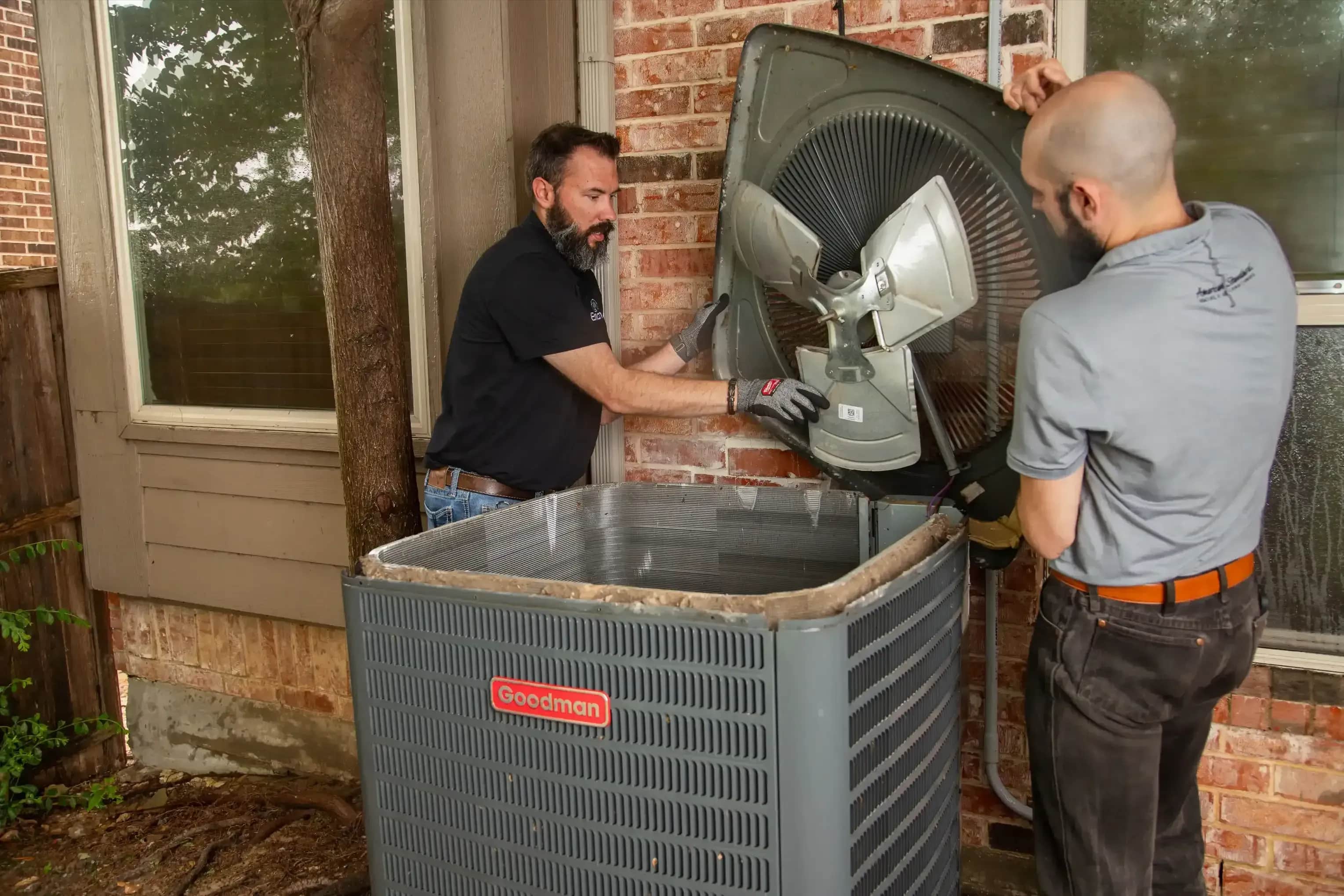
The outdoor condenser unit is responsible for releasing heat from your home. If it’s blocked or dirty, the system can’t operate efficiently.
What to Check:
- Remove leaves, dirt, and debris around the unit
- Maintain at least 2 feet of clearance around it
- Clean condenser coils annually
A clean outdoor unit can improve efficiency by up to 10–20%, especially during peak summer months.
4. Seal Air Leaks in Your Home
Even the most efficient air conditioner can struggle if your home isn’t properly sealed. Cool air escaping through gaps in doors, windows, or ductwork leads to energy waste and uneven cooling.
Common Leak Areas:
- Windows and door frames
- Attics and basements
- Duct joints and connections
Solutions:
- Use weatherstripping or caulking
- Insulate ducts
- Install door sweeps
Sealing leaks can reduce cooling costs by up to 20%.
5. Use Ceiling Fans to Support Cooling
Ceiling fans don’t lower the temperature, but they improve air circulation, making rooms feel cooler.
How It Helps:
- Allows you to raise the thermostat by 2–4°C without sacrificing comfort
- Reduces strain on your AC system
Make sure fans rotate counterclockwise in summer to push cool air downward.
6. Schedule Regular Professional Maintenance
Routine servicing is essential for keeping your air conditioner running at peak performance. A professional HVAC technician can identify and fix minor issues before they turn into costly repairs.
Recommended Frequency:
- At least once a year, ideally before summer
What Maintenance Includes:
- Checking refrigerant levels
- Cleaning coils and components
- Inspecting electrical connections
- Testing system efficiency
Regular maintenance can improve efficiency by up to 15% and extend the lifespan of your unit by several years.
7. Upgrade to a Programmable or Smart Thermostat
Modern thermostats offer advanced features that help optimize cooling and reduce energy usage.
Benefits:
- Automatically adjust temperature based on your schedule
- Remote control via smartphone
- Energy usage tracking
For example, you can set the temperature higher when you’re away and lower it before you return. This reduces unnecessary operation and saves energy.
8. Improve Home Insulation
Proper insulation keeps cool air inside and hot air outside, reducing the workload on your AC system.
Key Areas to Insulate:
- Attic
- Walls
- Floors
- Ductwork
Well-insulated homes can reduce cooling energy usage by 15–25%, especially in extreme climates.
9. Avoid Heat Build-Up Indoors
Your air conditioner works harder when there’s excess heat inside your home. Minimizing indoor heat sources can significantly improve AC performance.
Tips:
- Use energy-efficient LED lighting
- Avoid using ovens during peak heat hours
- Close curtains or blinds during the day
- Use heat-generating appliances at night
Blocking sunlight alone can reduce indoor temperatures by up to 5°C.
10. Check and Clean Air Ducts
Leaky or dirty ductwork can reduce your system’s efficiency by up to 30%.
Signs of Duct Problems:
- Uneven cooling
- High energy bills
- Dust buildup in vents
Professional duct cleaning and sealing ensure proper airflow and consistent cooling throughout your home.
11. Use the Right AC Size for Your Space
An improperly sized air conditioner can cause performance issues:
- Too small: struggles to cool the space
- Too large: cycles on and off frequently, wasting energy
A properly sized unit ensures:
- Efficient cooling
- Better humidity control
- Longer system lifespan
Always consult an HVAC professional for correct sizing based on your room or home area
12. Keep Vents and Registers Unblocked
Blocked vents restrict airflow and reduce efficiency.
Make Sure:
- Furniture doesn’t cover vents
- Curtains don’t block airflow
- All vents are open and unobstructed
Proper airflow distribution ensures consistent cooling and reduces strain on your system
13. Monitor Refrigerant Levels
Refrigerant is essential for the cooling process. Low refrigerant levels can lead to poor performance and higher energy consumption.
Warning Signs:
- Warm air from vents
- Ice buildup on coils
- Unusual hissing sounds
Only a licensed technician should handle refrigerant checks and refills.
14. Use Energy-Efficient Settings and Modes
Most modern AC units come with different modes designed for efficiency.
Common Modes:
- Eco Mode: Optimizes energy use
- Sleep Mode: Adjusts temperature gradually at night
- Dry Mode: Reduces humidity without overcooling
Using these modes appropriately can improve comfort while saving energy.
15. Upgrade Older Systems
If your air conditioner is more than 10–15 years old, it may not perform efficiently compared to newer models.
Why Upgrade?
- New systems use up to 40% less energy
- Better cooling technology
- Environmentally friendly refrigerants
Look for units with a high SEER (Seasonal Energy Efficiency Ratio) rating for maximum efficiency.
16. Keep Internal Components Clean
Dust and dirt don’t just affect filters, they can accumulate on coils and internal components.
Key Components to Clean:
- Evaporator coils
- Blower fan
- Drain lines
Dirty components reduce efficiency and can lead to system failure if ignored.
17. Use Zoning Systems for Larger Homes
If you have a large home, a zoning system can improve efficiency by cooling only the areas you’re using.
Benefits:
- Reduced energy waste
- Customized comfort
- Less strain on the system
Zoning is especially useful for multi-story homes or spaces with varying cooling needs.
From simple steps like cleaning filters and sealing air leaks to more advanced upgrades like smart thermostats and proper insulation, every improvement contributes to better efficiency and comfort.
By following these practical strategies, you can:
- Lower your energy bills
- Extend the lifespan of your AC system
- Maintain consistent indoor comfort
- Reduce the risk of costly repairs
An air conditioner is a long-term investment, and with the right care and usage, it can serve you efficiently for many years. If you’re unsure about your system’s performance, consider scheduling a professional inspection, it’s often the quickest way to identify hidden issues and optimize efficiency.
FAQ Videos

Okay, can you just give me a quote? No, I don't want to schedule anything. Wait, you want to come to my house? I don't have time for that. I'm at work. Forget it. Stop calling these companies. We can never get a straight answer, and when you finally do, it's some guy trying to upsell you everything under the sun. And so, you ask, "Why is one quote six grand and the other one 12 grand for the same system on the same house?" I'll tell you why. Most companies send a commission salesman out there so they can upsell you on everything. We don't do that here. Here's a real estimate by team Henault. So, you pick which system fits best for you, and nobody's commission is riding on it. Now, if you want a full breakdown of this estimate, go check out our other video.
Read More
Is your home ready to face the chill? Trey from Team Enoch is here to guide you through the must-do winter prep for your plumbing.
Read More
Good, better, best. Goodman vs. Carrier vs. Traine. And, what is a variable speed system?
Read More
It doesn't need a tune up! Does your system need a tune up or full replacement?
Read More
Do you know what's supposed to be in an AC quote? Most people don't, and that's how they get charged for things later.
Read More
Here's the $5,000 rule we use for every call.
Read More
AC For $8,180. That's everything. Here's exactly what's in a real AC install quote no hidden fees.
Read More
How much does AC replacement actually cost in DFW? Don't have time? Get your estimate online!
Read More
Do you know what's in your AC quote?
Read More