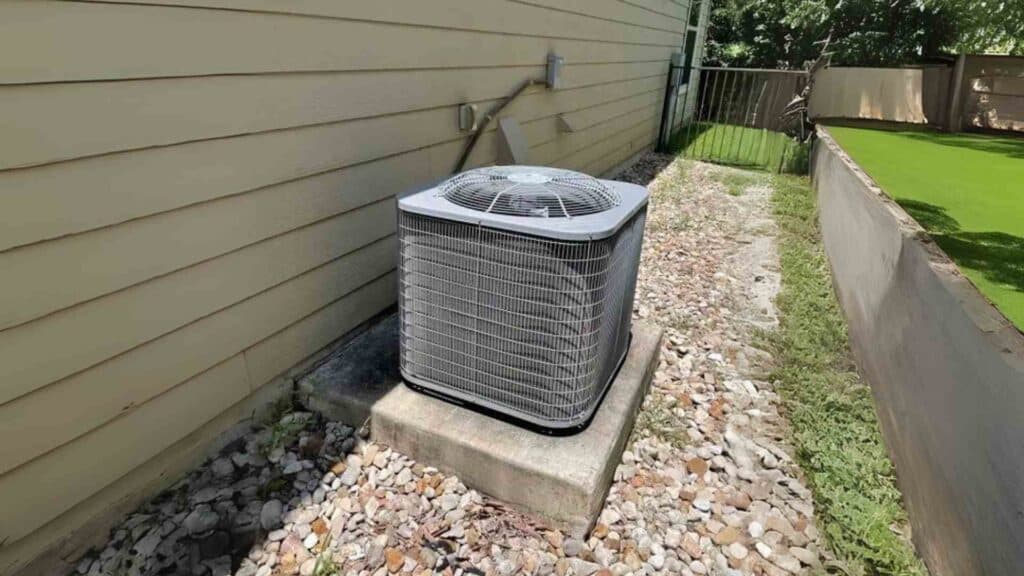
AC Not Working? Here’s How to Fix a Clogged Drain Line Fast
Has your AC stopped working? Learn how a clogged condensate drain line triggers the safety switch, and how to fix it in 5 minutes with a shop vac.
January 13, 2026
Quick Answer: If your AC stopped working suddenly, a clogged condensate drain line is the most likely cause. Your system's built-in float switch shuts it off automatically to prevent water damage. Fix it by turning off the power, flushing the drain line with white vinegar, then using a wet/dry shop vac at the outdoor end to suck out the clog. Most homeowners clear it in under 10 minutes — no plumber needed.
It's the middle of summer. You walk inside expecting a cool blast of air — and nothing. The AC is completely dead. You check the thermostat, reset the breaker, wait — and still nothing. Before you spend hundreds of dollars on an emergency service call, read this first.
There's a very good chance your air conditioner isn't actually broken. It may have simply done what it was designed to do: shut itself off because of a clogged condensate drain line. This is the single most common cause of unexpected AC failure in homes across the country, and it's something you can almost certainly fix yourself — today, for free.
Your air conditioner does two things simultaneously: it cools the air and it removes humidity from it. As warm, humid indoor air passes over your evaporator coil, the moisture in that air condenses into water droplets — the same way a cold glass of water "sweats" on a hot day.
Those water droplets collect in a condensate drain pan beneath the evaporator coil. From there, a small pipe — usually ¾-inch PVC — carries that water out of your home. That pipe is your condensate drain line, also commonly called the AC drain line, drip line, or condensate line.
During peak summer cooling, a central AC unit can remove 5 to 20 gallons of water per day from your indoor air. That's a significant amount of water moving through a very small pipe — and if that pipe gets even partially blocked, everything backs up fast.
Where to Find Your AC Drain Line: Look for a small white PVC pipe coming from your indoor air handler, which is usually located in the attic, basement, utility closet, or garage. The line typically has a T-shaped vent or a capped access port near the air handler. It exits outdoors, usually near the outdoor condenser unit or along an exterior wall of your home.
A clogged drain line doesn't always announce itself with a dramatic shutdown. Catch these early warning signs and you can fix the problem before it causes serious water damage or a complete system failure.
AC Shuts Off Suddenly and Won't Restart This is the most obvious sign. The float safety switch detected rising water in the drain pan and cut power to your system automatically. Your AC didn't break — it protected your home.
Water Pooling Around the Indoor Unit If you notice puddling water or drip stains on the floor or ceiling near your air handler, the drain pan is overflowing. This needs immediate attention.
High Indoor Humidity Even with the AC Running When water can't drain, it evaporates back into your indoor air. Your home starts feeling muggy and uncomfortable even though the AC appears to be running fine.
Musty or Moldy Smell Coming from the Vents Standing water in the drain pan creates the perfect environment for mold and mildew to grow. If you notice a musty odor coming from your air vents, a clogged drain line is often the cause.
Reduced Cooling Efficiency and Higher Electric Bills A clogged drain forces your system to work harder than it should. You may notice your home takes longer to cool down, and your electricity bills may climb without any obvious explanation.
Water Stains on the Ceiling or Walls If your air handler is located in the attic, an overflowing drain pan can drip through the ceiling below — a costly consequence that requires drywall repair on top of the AC fix.
No Drip From the Outdoor Drain Pipe On humid days, you should see a light, steady trickle of water from the outdoor end of your drain line. If it's completely dry during a period when you've been running the AC heavily, the line is likely blocked.
The inside of your condensate drain line is warm, dark, and perpetually damp — a perfect environment for organic growth. The main culprits behind most clogs are:
Algae and mold buildup — This is the most common cause by far. Algae thrives in standing water and slowly builds up into a thick, slimy plug that completely blocks water flow.
Dust and dirt from air filters — Every time your system runs, airborne particles get pulled through. Some settle in the drain pan and eventually wash into the drain line, especially if you haven't changed your air filter on schedule.
Mildew and biofilm — Similar to algae, mildew creates a thick film that coats the inside of the pipe and progressively narrows the passage over time until water can't get through.
Debris from ductwork — Insulation fragments, dead insects, or even spider webs can occasionally find their way into the drain line and contribute to blockages.
Mineral deposits — In areas with hard water, calcium and mineral buildup can accumulate inside the drain line over time, narrowing it even without any organic growth.
Improper slope — If the drain line wasn't installed with the correct downward pitch, water may pool and stagnate rather than flow freely toward the exit. This accelerates organic growth.
Pro Tip from HVAC Technicians: Most AC condensate drain line clogs happen between June and September — peak humidity season. If you haven't flushed your drain line since last summer, do it now before your AC shuts off on the hottest day of the year.
Here's the most important thing most homeowners don't know: your AC didn't break — it protected you.
Modern HVAC systems include a condensate safety float switch (also called a drain pan switch) that monitors water levels in the drain pan. When the water level rises — because the drain line is clogged and can't carry water away — the float switch triggers and cuts power to the entire system automatically.
This is a deliberate feature, not a malfunction. Without this safety switch, an overflowing drain pan could soak through drywall and ceiling panels (especially dangerous in attic installations), warp hardwood floors and damage furniture, cause mold infestations inside walls, and result in thousands of dollars in structural water damage.
Once you've successfully cleared the clog and the water drains out of the pan, the float switch resets on its own in most modern systems. You simply turn the AC back on and it should run normally. In some older systems, the switch may require a manual reset — look for a small button on the switch itself, usually located inside or beneath the drain pan.
This is the most searched AC repair topic in 2026 — and for good reason. Here is the complete, technician-approved method for how to fix a clogged condensate drain line in your air conditioner.
Tools You'll Need: Wet/dry shop vacuum · White distilled vinegar · Duct tape or a damp cloth · Flashlight · Small bucket or old towels · Funnel (optional)
Safety First — Always Do This Before Anything Else
Turn off your AC at the thermostat AND flip both the AC breaker and the air handler/furnace breaker at your electrical panel. Never work around HVAC components with the system powered on. Water and electricity are a dangerous combination.
Step 1: Turn Off All Power
Switch off your AC at the thermostat and flip both the AC and air handler breakers at your electrical panel. Give the system five minutes to fully power down before touching anything. This is non-negotiable for your safety.
Step 2: Locate and Inspect the Indoor Drain Pan
Open the access panel on your indoor air handler and find the drain pan sitting beneath the evaporator coil. If it's full of water, use old towels or a small shop vac to remove the standing water. While you're there, inspect for mold, slime, or algae in the pan — wipe it clean with a vinegar-dampened cloth. A clean pan significantly reduces the chance of future clogs.
Step 3: Find the Drain Line Access Port
Follow the PVC pipe from the drain pan to find the access point — usually a T-shaped vent or a capped port near where the line begins. Remove the cap. Use a flashlight to look inside and check for visible debris, sludge, or organic blockages near the entrance.
Step 4: Flush With White Distilled Vinegar
Pour one cup of plain white distilled vinegar into the access port. Vinegar's mild acidity breaks down algae, mold, and organic buildup without damaging PVC pipes or your system's fittings. Let it sit for 30 minutes — this gives it enough time to penetrate and loosen the clog. For stubborn or long-standing blockages, let it soak for up to a full hour before moving to the next step.
Step 5: Use a Wet/Dry Shop Vac at the Outdoor Drain Opening
This is the most effective step. Go outside to where the drain line exits your home — near the outdoor condenser unit or along an exterior wall. Press the shop vac hose firmly against the drain opening, creating a tight seal using duct tape or a damp cloth wrapped around the connection point. Turn the vac on and let it run for 2 to 3 minutes. You should see dirty water, dark sludge, and algae get pulled into the vacuum — that is the clog coming out. This suction method is the most effective DIY approach endorsed by HVAC professionals because it creates powerful, sustained negative pressure that dislodges even firmly packed clogs.
Step 6: Flush With Clean Water to Confirm the Line Is Clear
Pour 2 to 3 cups of clean water into the indoor access port while watching the outdoor drain. If water flows freely out the other end within a minute or two, your drain line is completely clear. If water still backs up or drains very slowly, repeat the shop vac step or use a plumber's snake (also called a drain snake) to manually break up any remaining blockage.
Step 7: Replace the Cap and Restore Power
Replace the access cap on the drain line. Flip your circuit breakers back on, go to the thermostat, and set your desired temperature. The float switch should have reset automatically once the drain pan water level dropped. Your AC should start up within a few minutes. If it doesn't, wait five minutes and try again — many systems have a brief delay built in after the safety switch resets.
Short answer: yes — for prevention and partial clogs, vinegar works very well. For severe, full blockages, vinegar alone won't clear it completely, but it is a critical part of the process when combined with the shop vac method.
White distilled vinegar contains acetic acid, which is effective at breaking down the organic matter — algae, mold, mildew, and biofilm — that makes up the vast majority of AC drain line clogs. HVAC professionals consistently recommend flushing one cup of vinegar through the drain line every month during cooling season as the single best preventive maintenance habit a homeowner can build.
What About Bleach?
Diluted bleach — one part bleach to sixteen parts water — is also effective and kills bacteria and mold on contact. However, some HVAC manufacturers advise against using bleach regularly, as it can gradually degrade certain rubber fittings and seals over time. Vinegar is the safer long-term choice for monthly maintenance, while diluted bleach can be used occasionally for a deeper clean.
What Plumbers Warn Against: The Vinegar and Baking Soda Myth
Despite being popular on social media and home improvement websites, pouring baking soda followed by vinegar into your AC drain line is not recommended by most HVAC technicians. While the combination creates a satisfying fizz, the chemical reaction actually neutralizes both ingredients — leaving you with water and carbon dioxide bubbles. The fizzing action can push a clog deeper rather than dissolving it, and it may splash contaminated water out of the access port. Save this combo for science projects, not AC maintenance.
Never Pour These Products Down Your AC Drain Line
Drano, Liquid-Plumr, and similar commercial drain uncloggers are far too harsh for PVC fittings and can permanently damage your condensate system. These products were engineered for household plumbing pipes, which have very different tolerances than HVAC condensate lines. HVAC professionals specifically and consistently warn against using them.
The Best Liquids to Use, Ranked:
White distilled vinegar — best for regular monthly prevention and mild clogs. Safe for PVC. Highly recommended.
Diluted bleach (1:16 ratio) — effective for killing mold and bacteria. Use monthly at most. Generally safe but avoid overuse.
Hot water flush — good for loosening organic matter. Safe and always available. Use in combination with vinegar.
Commercial HVAC drain line tablets — excellent for continuous prevention. Safe and inexpensive. Highly recommended for installation in the drain pan.
Baking soda and vinegar — not recommended. The reaction neutralizes both ingredients and is largely ineffective.
Drano or Liquid-Plumr — never use these. Can damage fittings and void your warranty.
Your car's AC system works on the same fundamental principle as your home system — it removes humidity from cabin air, and that moisture needs a drainage path. In your vehicle, the condensate drain is a small rubber hose located beneath the passenger side of the dashboard, allowing condensation to drip out underneath the car.
When this hose gets clogged with leaves, dirt, or debris, water has nowhere to go and backs up into the cabin. You'll notice water puddling on the passenger-side floor mat, a musty smell coming from the vents, or foggy windows that won't clear even with the AC running.
Step 1 — Locate the Drain Hose: Get under the passenger side of your car and look for a small rubber hose protruding from the firewall area. On a warm day when the AC has been running, you should see water dripping from it. This is where drainage is supposed to happen.
Step 2 — Clear the Blockage: Insert a thin, flexible wire, pipe cleaner, or small bottle brush into the end of the hose and gently work it back and forth to dislodge debris. You can also use a can of compressed air to blow through the hose from the outside. Be gentle — the hose is soft rubber and can crack if forced.
Step 3 — Test and Dry the Interior: Run the AC for 5 to 10 minutes and confirm water drips freely from the hose. Then dry the passenger-side floor mat thoroughly to prevent mold from growing in the accumulated moisture.
A mechanic typically charges $75 to $150 to clear a clogged car AC drain line. It's a simple job most car owners can handle in 15 minutes with a wire or bottle brush.
The same drainage principle applies to your refrigerator. Most modern refrigerators include a defrost drain at the back of the freezer compartment. When ice melts during the auto-defrost cycle, it drains through this hole into a drip tray beneath the unit. If the drain clogs — usually with ice, food particles, or debris — water has nowhere to go and pools inside the fridge or leaks onto the floor.
Signs of a clogged refrigerator drain: water pooling under the crisper drawers, a layer of ice forming at the back of the freezer interior, or water leaking from the bottom of the refrigerator onto the floor.
How to clear it:
First, unplug the refrigerator and remove all food from the freezer compartment. Locate the drain hole at the back interior of the freezer — it may be hidden behind a back panel (consult your model's manual). Use a turkey baster or small funnel to pour a mixture of hot water and a small amount of baking soda directly into the drain hole, which melts any ice blockage. Then use a thin, flexible wire or pipe cleaner to gently probe and clear the drain tube. Finally, pull out the kick plate at the bottom front of the fridge and empty and rinse the drip tray. Plug the refrigerator back in and monitor for further leaks over the next 24 hours.
One of the most-searched questions about this topic is simply: how much will this cost me? Here's an honest, up-to-date breakdown.
DIY fix using vinegar and a shop vac: $0 — if you already own a shop vac. A bottle of white vinegar costs about $2 if you don't have one.
HVAC technician service call (drain line only): $75 to $200, depending on your region and the company. Most straightforward drain line clogs are cleared in under 30 minutes once the technician arrives.
Emergency or after-hours service call: $250 to $500 or more. This is exactly why knowing the DIY method is so valuable — an emergency weekend call can cost three to five times what a standard visit would.
Full system inspection plus drain line cleaning: $150 to $400, typically bundled as part of a spring maintenance visit.
Annual drain pan tablets (prevention): $5 to $20 per year. Extremely cost-effective preventive measure.
A note on Roto-Rooter: Roto-Rooter is primarily a sewer line and household plumbing company, not an HVAC specialist. While they can clear drain lines, they are not the ideal choice for AC condensate drain issues specifically. For AC drain problems, always call a licensed HVAC technician — the systems are fundamentally different and require different expertise and tools.
The shop vac and vinegar method works in the vast majority of cases. But there are specific situations where professional help is the right and necessary call.
Call an HVAC technician if your AC still won't start after successfully clearing the clog — the float switch itself may have failed and needs replacement. Also call a professional if you see visible water damage such as stained or sagging ceilings, warped flooring, or mold growing on walls near the air handler. These indicate the overflow was significant enough to cause structural damage.
Recurring clogs — if your drain line blocks up more than twice in a single season — suggest a deeper underlying issue such as improper pipe slope, a cracked or kinked line, an undersized drain pipe, or a heavily soiled evaporator coil. A professional can identify and permanently fix the root cause.
If you notice ice forming on the evaporator coil alongside a drain line clog, something more serious is happening — possibly a refrigerant shortage or an airflow restriction — and a technician needs to diagnose it. Similarly, if musty or mold odors persist after you've cleared the drain line and cleaned the pan, mold may have spread into the air handler or ductwork and requires professional remediation.
Finally, if your system is still under the manufacturer's warranty, check your documentation before doing any DIY work. In some cases, unauthorized repairs can void the warranty.
The absolute best fix for a clogged AC drain line is making sure it never clogs in the first place. These habits — recommended by licensed HVAC professionals — will keep your condensate line flowing freely through every cooling season.
Monthly vinegar flush: Pour one cup of distilled white vinegar into the drain line access port once a month throughout cooling season. This inhibits algae and mold growth before they can form a blockage. It costs almost nothing and takes about 30 seconds.
Change your air filter every one to three months: A clogged or dirty filter allows more dust and debris to enter the system, increasing buildup in the drain pan and line. This is the single highest-impact maintenance habit for your overall HVAC health.
Install drain pan tablets: These slow-dissolving biocide tablets — available at hardware stores and online for $10 to $20 per year — continuously prevent algae growth in the condensate pan without any effort on your part. Drop one in at the start of the season and you're done.
Inspect the drain pan every time you change the filter: Make it a quick routine check. Catching standing water early means addressing a minor slowdown before it becomes a full blockage.
Keep the outdoor drain exit clear: Leaves, grass clippings, and debris can block the outdoor end of the drain line or introduce organic matter into the system. Quickly check that the exit pipe is unobstructed whenever you're doing yard work near the outdoor unit.
Schedule professional HVAC maintenance every spring: A licensed technician will clean the drain line, check and test the float switch, clean the drain pan, inspect the evaporator coil, and catch any developing issues before they turn into summer emergency breakdowns. Annual maintenance typically costs $80 to $150 and consistently prevents far more expensive repair bills.
Why HVAC Professionals Recommend a Vinegar Flush in October: Many technicians specifically recommend doing one final vinegar flush in October or November — at the very end of cooling season — before your AC sits idle through winter. Any standing moisture or organic debris left in the drain line over the cold months can develop into stubborn mold or algae colonies that are much harder to clear by the time you fire up the AC in spring. An end-of-season flush cleans the slate so you start fresh next cooling season.
The Bottom Line: You Can Fix This Yourself Today
A clogged AC condensate drain line sounds technical and intimidating — but it is genuinely one of the most fixable problems in your entire home. Armed with a shop vac, a bottle of white vinegar, and the steps laid out in this guide, you can restore your cooling system in under 10 minutes without spending a single dollar on a service call.
The key things to remember: your AC's safety switch shut the system off to protect your home, not because the system is broken. The shop vac suction method combined with a vinegar flush clears the vast majority of condensate drain clogs on the first try. Monthly vinegar flushes and regular air filter changes are the most effective prevention. And know when to call a professional, persistent mold, visible water damage, frozen coils, or drain lines that clog repeatedly every few weeks all need expert attention.