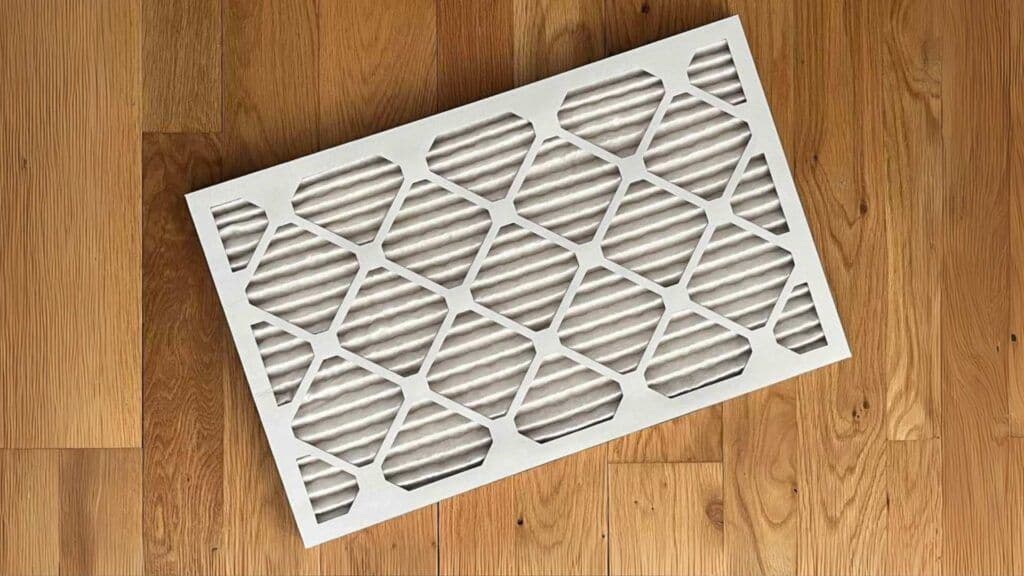
Clean indoor air has become essential in our present health-conscious society. A key solution for maintaining good air quality rests in performing proper HVAC filter maintenance. Your HVAC unit just needs a little care to work at peak performance. This entire guide provides detailed instructions on washing your HVAC filter which results in improved air quality through increased system durability.
How to Clean Your Air Filter:
Cleaning your HVAC air filter regularly is essential for maintaining good indoor air quality and keeping your heating and cooling system running efficiently. A dirty filter can increase energy costs by up to 15% and reduce your system's lifespan. Follow this comprehensive guide to clean your air filter safely and effectively.
What You'll Need
- Mild detergent
- Warm water
- Large cleaning basin or sink
- Soft-bristled brush
- Vacuum with brush attachment
- Garden hose (optional)
- Clean towels
- 24-48 hours drying time
Step-by-Step Air Filter Cleaning Process
Step 1: Safety First - Turn Off Your HVAC System
Always turn off your heating and cooling system before starting. This prevents unfiltered air from circulating through your home and protects you from moving parts inside the unit.
Step 2: Locate and Remove the Air Filter
Find your air filter at the air intake (usually near the return air duct). Before removing it, note the directional arrows printed on the filter frame - you'll need to reinstall it the same way.
Step 3: Inspect Your Filter for Damage
Examine the filter carefully for:
- Tears or holes in the filter material
- Bent or damaged frame
- Broken pleats
Important: If you find any damage, replace the filter instead of cleaning it. A damaged filter won't protect your HVAC system properly.
Step 4: Remove Loose Debris
Before washing, remove loose dirt and debris by:
- Gently tapping the filter over a trash bin
- Using a vacuum with a soft brush attachment on low suction
Step 5: Prepare Your Cleaning Solution
Mix your cleaning solution using a 10:1 ratio:
- 10 parts warm water
- 1 part mild detergent
Use a basin large enough to fully submerge your filter.
Step 6: Soak the Filter
Submerge the filter in your cleaning solution for 10-15 minutes. This soaking time allows embedded dirt and grime to loosen, making the cleaning process more effective.
Step 7: Gentle Brush Cleaning
Using a soft-bristled brush, gently clean between the filter pleats:
- Work in the same direction as the pleats
- Avoid excessive pressure that could damage the material
- Special note: If you have electrostatic filters, be extra gentle to preserve their electrical charge properties
Step 8: Thorough Rinse
Rinse the filter completely with clean water until all soap residue is gone:
- Use a garden hose with light pressure, or
- Rinse multiple times in clean water
- Ensure no detergent remains, as soap residue can attract more dirt
Step 9: Remove Excess Water
Gently shake off excess water using light motions. You can also place the filter against a firm surface to let water droplets fall away naturally.
Step 10: Complete Drying (Critical Step)
This is the most important step for preventing mold growth:
- Place the filter in a clean, dust-free area
- Allow 24-48 hours for complete drying
- Ensure both sides are completely dry
- Never reinstall a damp filter - moisture can lead to mold and mildew in your HVAC system
Step 11: Reinstall the Clean Filter
Once completely dry, reinstall the filter:
- Follow the directional arrows you noted earlier
- Ensure the filter fits snugly in its housing
- Double-check the orientation is correct
Step 12: Restart Your System
Turn your HVAC system back on and enjoy improved indoor air quality and better system performance.
How to Safely Remove and Replace the Filter:
When handling your filter:
- Always turn off the system first
- Note the direction of airflow markers on the filter
- Handle the frame rather than the filter material to avoid damage
- Keep track of the correct orientation for reinstallation
- Ensure the filter fits snugly without gaps where air could bypass it
- If you don't have the manual, look for arrows on the filter indicating airflow direction
How Often to Change HVAC Filter:
Heating and cooling systems filters should be washed in accordance with the instructions and ideally, they should be washed every three months if it is a washable filter. Nevertheless, this frequency might be affected by certain factors.
Considering some of these aspects, the best air con filter cleaning frequency that will suit any household is one that is driven by aspects such as usage and environmental conditions.
Factors Affecting Your Air Con Filter Cleaning Schedule
- Human population, where a large number of individuals in a compound will require frequent washing of the compound.
- This is because fur and dander will breed in the system hence accelerating the rate of clogging the filter.
- Increase of sensitivity among some members in the household whom may need frequent cleaning due to allergies.
- Local air quality and pollution levels
- Construction or renovation activity nearby
- Seasonal factors (coinciding with different phases of the year such as pollination that may require more cleaning).
However, it is recommended to check it at least during high-use seasons, or during such bad periods as cold or heat, if the outer air is very dirty.
Impact of Dirty Air Filters on Indoor Air Quality
When filters of any sort have gathered a layer of dust and grime, they cannot proceed to capture the new contaminants as they are meant to do. This makes the indoor environment unhealthy, and may cause allergies, asthma, or any other breathing problems among people living in the house. In fact, it has been established that indoor air pollution is two to five times higher than outside, making it important to have a well-maintained filter for the health benefit of the occupants.
Consequences of Clogged Filters on Your AC Unit's Airflow
Apart from polluting the air, dirty filters can make you sick and force your system to work harder to maintain proper airflow. This added strain may result in:
- Up to 15% higher energy consumption
- Reduced heating and cooling effectiveness
- Increased wear on system components
- Shorter lifespan of your HVAC system
- Higher utility bills
A clean filter ensures that you do not have to struggle with high electricity bills because your system is working extra hard to cool your home only for the filter to be hindering its efficiency.
When using a washable filter, it is essential to know how often you should clean it:
Can You Use a Vacuum for Filter Cleaning?
Many people wonder if it is possible to use a vacuum in cleaning the filter like the HVAC filter, air conditioner filter or even the air filter because a vacuum is a mechanical cleaning tool commonly used to suck dust and debris from different surfaces using a nozzle and a suction technique.
Vacuuming may prove useful as a first in cases if not as an independent method of cleaning:
- Removes surface dust particles and debris without water.
- Extends time between deep cleanings.
- Provides quick maintenance between full washings.
- Helps maintain airflow efficiency.
- Can help prevent dust from spreading during the removal process.
Precautions to Take When Using a Vacuum:
- Use only a soft brush or hose attachment.
- Vacuum both sides gently.
- Move in the direction of the pleats to avoid damage.
- Apply minimal pressure to prevent tearing.
- Remember that vacuuming alone isn't a substitute for periodic washing of washable filters.
Bear in mind that vacuuming is not a substitute for cleaning of washable filters as frequently as needed.
How Does Regular Cleaning Impact Indoor Air Quality?
Improves Airflow
Clean filters allow proper ventilation of the central air system in your house which in turn will distribute the air uniformly. This consists of a continuous flow of air in a way that eliminates the chances of formation of pockets that are hazardous to the living organisms through the accumulation of some unwanted substances.
Reduces Airborne Particles and Allergens
Daily and weekly proper filter cleaning can minimize the penetration and retention count to 1 % which automatically lessens the penetration of the following:
- Dust and dust mites
- Pet hair and dander
- Pollen and other seasonal allergens
- Mold spores
- Bacteria and some viruses
- Other airborne contaminants
For the households who have individuals that suffer from allergies this reduction can greatly enhance the standard of their living and decrease their usage of the health products.
Optimal Performance and Energy Efficiency
The effectiveness and durability of the HVAC system is another good reason for regular maintenance of clean filters as it results in longevity use of the system. Regular HVAC filter cleaning boosts:
- 5-15% lower energy consumption.
- Fewer repair calls.
- Extended equipment lifespan.
- More consistent temperature control throughout your home.
- Quieter system operation.
By implementing a regular filter cleaning schedule, you're not just improving your air quality, you're protecting your home's air conditioning system while reducing your environmental footprint and helping you save on energy costs. Even if your manufacturer's instructions recommend filter replacement at regular intervals, proper cleaning of washable filters can help extend the life of your HVAC unit and ensure it continues to work as well as possible.