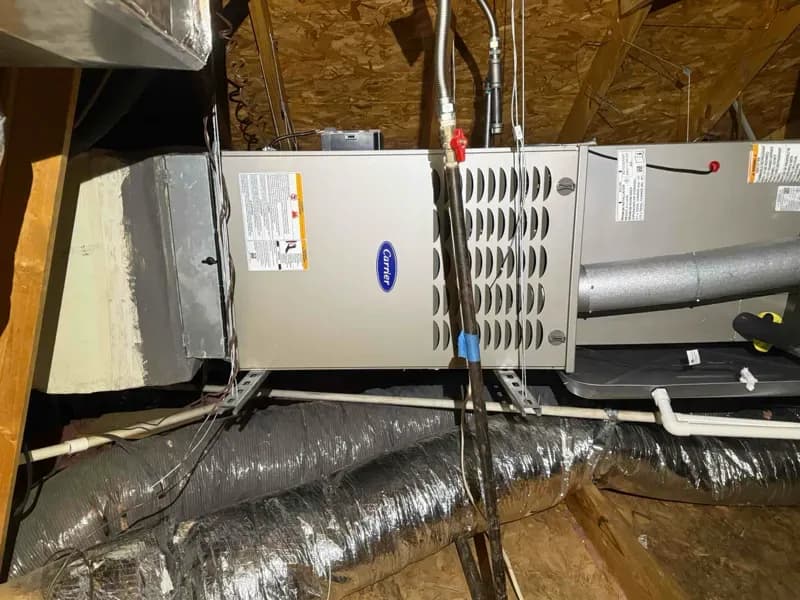
2026 Furnace Maintenance Guide with Complete Checklist for Homeowners
Learn how proper furnace maintenance can lower heating bills, prevent breakdowns, and extend system life with a complete checklist and cost guide.
Team Enoch
January 24, 2026
A well-maintained furnace keeps your home warm, safe, and energy-efficient during cold weather. As we move through 2026, your heating system faces new challenges, from updated efficiency standards to rising energy costs. The good news? Regular furnace maintenance can prevent unexpected breakdowns, slash your energy bills by up to 30%, and extend your system's lifespan by 5-7 years.
This comprehensive guide walks you through everything you need to know: DIY maintenance tasks you can handle yourself, what professional service includes, updated 2025-2026 costs, warning signs to watch for, and how the latest smart home technology can help you save even more.
Routine furnace maintenance protects three critical areas: your comfort, safety, and wallet.
Energy Efficiency & Cost Savings
A clean, properly tuned furnace uses significantly less energy. According to the U.S. Department of Energy, proper maintenance can reduce energy consumption by up to 30%. That translates to real savings, if you're currently spending $1,200 annually on heating, regular maintenance could save you $300-$360 per year. With ENERGY STAR-certified systems, you can save an additional 10-30% on heating costs compared to standard models.
Longer System Lifespan
Systems with regular maintenance last 5-7 years longer on average. While a neglected furnace might need replacement in 10 years, a well-maintained one can serve you for 15-20 years. That extra decade of service represents thousands of dollars in avoided replacement costs.
Safety Protection
Furnaces that go unchecked can develop cracks in the heat exchanger or faulty components that increase the risk of carbon monoxide leaks or fire hazards. The CDC recommends annual inspections to prevent carbon monoxide poisoning, an invisible, odorless threat that causes severe illness or death.
Better Home Value & Warranty Protection
A well-maintained HVAC system can add up to 8% to your home's resale value. Additionally, most manufacturers require documented annual maintenance to keep warranties valid. Skipping service could void your coverage and leave you responsible for expensive repairs.
Yes—annual professional service represents the minimum recommended frequency for residential furnaces. Here's why this matters more than ever in 2025-2026:
New DOE Efficiency Standards
Starting in late 2028, new federal standards require residential gas furnaces to achieve 95% AFUE efficiency. While this affects new installations, it underscores the growing importance of maintaining older systems at peak performance. A well-maintained 80% AFUE furnace can outperform a neglected 95% unit.
Manufacturer Warranty Requirements
Most furnace warranties specify minimum maintenance frequencies. Failing to meet these requirements can void warranty protection, leaving you to cover repair costs that could reach $1,000 or more.
Annual Service Timing
Schedule your professional tune-up in early fall, before the heating season begins. This timing allows you to address any issues before cold weather arrives and avoid the rush when HVAC companies' schedules fill up.
When You Need More Frequent Service
Consider bi-annual service if you have:
Several important maintenance tasks fall within most homeowners' capabilities, saving you money between professional visits.
This is the single most important task you can perform. Clean filters can reduce your energy bill by 5-15% according to the Department of Energy.
How to replace your filter:
Pro tip: Check your filter monthly during heating season. If you have pets, allergies, or live in a dusty area, you may need to replace it every month. High-efficiency MERV 11-13 filters last longer but still require monthly checks.
Blocked vents force your furnace to work harder and create temperature imbalances throughout your home.
Vent maintenance steps:
This simple task can improve heating distribution and indoor air quality by reducing circulating dust and debris.
Keep at least three feet of clear space around your furnace for proper airflow and fire safety.
Safety checklist:
Traditional thermostat care includes testing accuracy, replacing batteries in programmable units, and cleaning dust from the device.
2025-2026 Smart Thermostat Advantage:
Smart thermostats have become one of the most valuable home upgrades, with potential energy savings of 10-20% annually. Top models for 2026 include:
Smart thermostats cost $100-$300 plus $100-$200 for professional installation, but can save $180-$200+ per year on heating and cooling costs. Most integrate with voice assistants (Alexa, Google Home) and provide energy usage reports through smartphone apps.
Before winter, inspect outdoor vents for leaves, snow, or debris. Clear any obstructions carefully to ensure proper airflow and safe venting. This is especially critical for high-efficiency condensing furnaces that use PVC venting.
While DIY maintenance helps, professional tune-ups address critical safety and performance issues you can't handle yourself.
Heat Exchanger Inspection
The technician inspects for cracks, rust, or corrosion that could leak carbon monoxide into your home. A cracked heat exchanger is a serious safety hazard requiring immediate replacement.
Carbon Monoxide Testing
Using professional combustion analyzers, technicians test for dangerous CO levels to ensure your furnace vents safely. This critical safety check can literally save lives.
Burner and Flame Sensor Cleaning
Dirt and buildup are removed from burners and sensors to ensure consistent ignition and efficient combustion. Clean burners prevent incomplete combustion that wastes fuel and creates safety risks.
Blower Motor Operation
The technician tests the blower for proper airflow, confirms the motor runs efficiently, and checks that variable-speed motors operate correctly across all speeds.
Electrical Connection Testing
All wiring is inspected for security, signs of wear, damage, or overheating. Loose connections are tightened to prevent system failures or fire hazards.
Moving Parts Lubrication
Proper lubrication is applied to motors, bearings, and fans to reduce friction, prevent wear, and ensure quiet operation.
Thermostat and Safety Controls
The thermostat is calibrated for accuracy, and all safety switches and limit controls are tested to verify they function correctly during emergency situations.
Venting and Combustion Verification
The flue pipe, vent connections, and combustion air supply are inspected for blockages, leaks, or improper setup. Proper venting prevents carbon monoxide buildup.
System Startup and Cycle Testing
The technician observes the furnace through multiple heating cycles to ensure smooth, safe operation without short-cycling or delayed ignition.
Fuel-to-Air Ratio Adjustment
The balance between fuel and air is measured and adjusted to maximize combustion efficiency, reducing waste and lowering your gas bills.
Understanding current costs helps you budget for this essential service.
Service Type | 2025-2026 Cost Range |
|---|---|
One-time furnace tune-up | $80 – $250 |
Annual maintenance plan | $150 – $400 per year |
Filter replacement (DIY) | $10 – $40 per filter |
Blower motor inspection | $80 – $150 |
Combustion analysis & CO testing | $100 – $250 |
Smart thermostat installation | $200 – $500 (device + install) |
Furnace Type
Gas furnaces typically cost more to service ($100-$200) than electric units ($80-$150) due to more complex components. Oil furnaces often require more frequent cleanings and can run $150-$250 per service.
System Age
Older systems (15+ years) may need more extensive inspections or replacement parts, increasing total costs by $50-$100 per visit.
Geographic Location
HVAC labor rates vary significantly by region. Urban areas and high-cost-of-living states typically charge 20-40% more than rural or lower-cost areas.
Service Plan Discounts
Many HVAC companies offer reduced pricing through annual maintenance contracts. These plans often include:
For every dollar spent on maintenance, you save approximately $4 in avoided breakdown and repair costs according to EPA guidance. That's a 400% return on investment.
Lower Energy Bills
A clean, well-tuned furnace operates 20-30% more efficiently than neglected units. On a $1,200 annual heating bill, that's $240-$360 in savings every year—far exceeding the $100-$200 annual maintenance cost.
Fewer Emergency Repairs
The average HVAC repair costs $351, with major repairs ranging from $500-$1,500. Routine inspections catch small issues like dirty burners ($50 fix) before they become expensive emergencies like blower motor replacement ($300-$1,000).
Extended System Lifespan
Maintenance can extend your furnace's life by 5-7 years. Replacing a furnace costs $4,500-$6,000 for gas systems or $2,000-$3,000 for electric. Those extra years of service represent thousands in avoided replacement costs.
Protected Warranty Coverage
Most manufacturers require documented annual maintenance. Without it, a $1,200 heat exchanger replacement might not be covered, leaving you with the full bill.
Higher Home Value
Well-maintained HVAC systems are a strong selling point. Home inspectors and buyers view documented maintenance history favorably, potentially adding thousands to your sale price.
Recognizing these signs early can prevent minor issues from becoming major problems.
Uneven Heating
Some rooms significantly warmer or cooler than others suggest airflow problems, ductwork issues, or a furnace struggling to distribute heat effectively. Two-stage or modulating furnaces with variable-speed blowers typically solve this issue.
Longer Heating Times
If your furnace takes much longer than usual to reach the set temperature, efficiency has likely declined due to dirty components, worn parts, or improper fuel-to-air mixture.
Frequent Cycling
A furnace that turns on and off repeatedly (short cycling) wastes energy and indicates serious problems like clogged filters, oversized equipment, or safety sensors triggering.
Grinding or Squealing
These sounds indicate worn bearings, loose components, or a failing blower motor requiring immediate attention.
Banging or Popping
These noises suggest delayed ignition (mini-explosions in the combustion chamber) or expanding/contracting ductwork. Delayed ignition is a safety concern.
Rattling
Loose panels, screws, or ductwork connections. While less serious, rattling indicates something needs tightening before it worsens.
Unexplained Bill Increases
If heating costs have increased 15-20% or more compared to previous years with similar weather, your furnace's efficiency has likely declined significantly.
Increased Dust
Excessive dust accumulation throughout your home suggests dirty filters, leaking ductwork, or a blower motor circulating contaminated air.
Persistent Odors
Musty smells indicate mold growth in ductwork. Burning smells might mean dust burning off (normal at season start) or serious electrical issues (not normal).
Respiratory Issues
Family members experiencing more frequent allergies or breathing problems may be reacting to poor indoor air quality from an unmaintained furnace.
Yellow or Flickering Flame
Gas furnace flames should burn steady blue. Yellow or orange flames indicate incomplete combustion and potential carbon monoxide production—call a technician immediately.
Soot Buildup
Black soot around vents or on the furnace indicates incomplete combustion and serious safety concerns.
Rust or Water Pooling
Visible rust, corrosion, or water around your furnace signals condensate drain problems or heat exchanger issues requiring professional diagnosis.
Understanding what you're paying for helps you evaluate service quality and spot incomplete work.
✓ Air filter inspection and replacement
✓ Thermostat operation and calibration testing
✓ Burner inspection and cleaning
✓ Heat exchanger examination for cracks or damage
✓ Blower motor and fan cleaning
✓ Electrical connection tightening
✓ Safety control testing (limit switches, flame sensors)
✓ Combustion analysis and efficiency testing
✓ Flue pipe and vent inspection
✓ Gas line leak check (for gas furnaces)
✓ Condensate drain cleaning (for high-efficiency units)
✓ Complete system startup and cycle observation
Many comprehensive maintenance plans also include:
When searching for "local furnace maintenance" or "furnace maintenance near me," look for these qualifications:
Proper Licensing and Insurance
Verify the company holds current HVAC licenses for your state and carries liability insurance plus workers' compensation.
NATE Certification
North American Technician Excellence (NATE) certification indicates technicians have passed rigorous competency exams.
Manufacturer Training
Technicians trained on your specific furnace brand (Carrier, Trane, Lennox, Goodman, etc.) understand its unique requirements.
Strong Local Reputation
Check Google reviews, Better Business Bureau ratings, and ask neighbors for recommendations. Look for companies with 4.5+ stars and 50+ reviews.
Transparent Pricing
Reputable companies provide upfront pricing for maintenance services and won't pressure you into unnecessary repairs.
Maintenance Plan Options
Companies offering annual service agreements often provide better value and priority service.
If you have a boiler system instead of a forced-air furnace, maintenance differs slightly:
Boiler maintenance typically costs $150-$300 annually and should be performed by professionals due to high pressure and temperature risks.
Whole-home humidifiers attached to your HVAC system require regular care:
Neglected humidifiers can breed mold and bacteria, degrading indoor air quality instead of improving it.
Never attempt these tasks without proper training and equipment:
Safety Warning: Improper DIY work on gas furnaces can create carbon monoxide leaks, gas explosions, or electrical fires. The money you save isn't worth the risk to your family's safety.
When facing expensive repairs, use the $5,000 rule: multiply the repair cost by your furnace's age. If the result exceeds $5,000, replacement often makes more financial sense than repair.
Example: A $600 repair on a 12-year-old furnace = $7,200 (6 x 12). This exceeds $5,000, suggesting replacement might be the better investment, especially since the furnace is approaching the end of its expected lifespan.
A thorough professional furnace tune-up typically takes 60-90 minutes for a standard residential system. Factors affecting duration include:
Most companies schedule 2-hour windows to account for variations and ensure technicians don't rush critical safety checks.
Q: How much should furnace cleaning cost?
A: Professional furnace cleaning as part of annual maintenance typically costs $80-$250 depending on your location, furnace type, and service provider. Comprehensive maintenance packages that include cleaning plus inspection and testing offer the best value.
Q: Can I clean my furnace myself?
A: You can clean around the exterior, vacuum accessible areas, and replace filters, but internal cleaning of burners, blower wheels, and heat exchangers requires professional tools and expertise. Improper cleaning can damage sensitive components or create safety hazards.
Q: What happens if you don't clean a furnace?
A: Neglecting furnace cleaning leads to reduced efficiency (20-30% higher bills), shortened equipment lifespan, increased repair frequency, poor indoor air quality, safety hazards from carbon monoxide buildup, and potential complete system failure during peak winter demand.
Q: Can I clean my furnace ducts myself?
A: Basic vent cover cleaning is DIY-friendly, but professional duct cleaning requires specialized equipment (negative air machines, rotary brushes, HEPA vacuums). Improper DIY duct cleaning can damage ductwork or spread contaminants throughout your home. Professional duct cleaning costs $300-$500 and is recommended every 3-5 years or after renovations.
Q: What is the average cost of a full tune-up?
A: In 2025-2026, expect to pay $80-$250 for a one-time tune-up or $150-$400 for an annual maintenance plan that often includes both heating and cooling system service. Plans typically offer better value than individual service calls.
Q: How often should a furnace be tuned up?
A: At minimum, schedule professional service once annually before heating season. Older systems (10+ years), high-usage situations, or homes with pets may benefit from bi-annual service.
Regular furnace maintenance represents one of the smartest investments you can make in your home. For less than $200 per year, you protect a $4,000-$6,000 asset, save hundreds on energy bills, ensure your family's safety, and enjoy reliable comfort throughout winter.
The key steps are simple:
Don't wait until your furnace fails on the coldest day of winter. Schedule your maintenance now and enjoy peace of mind knowing your heating system is ready for whatever winter brings.