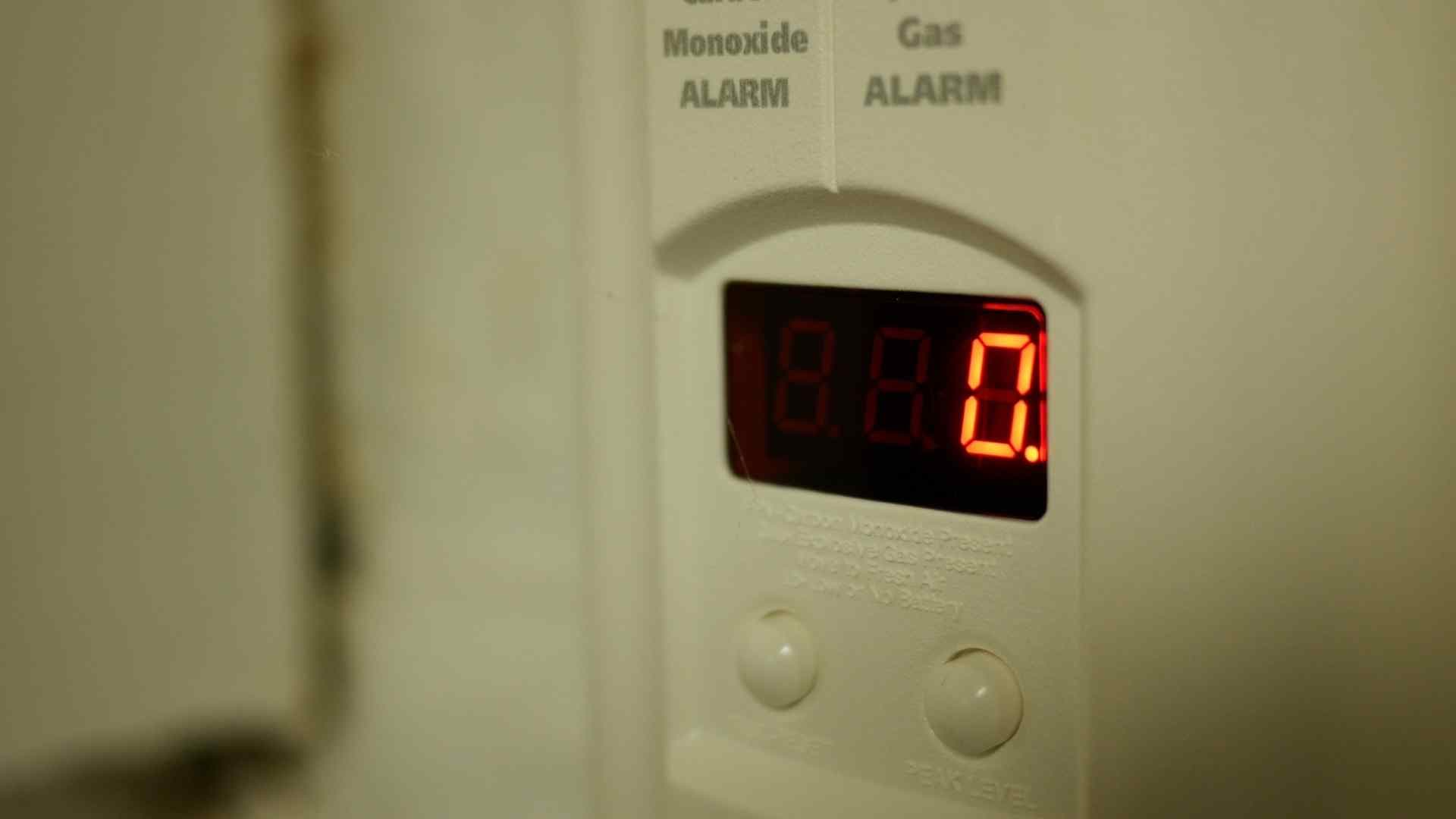
Carbon monoxide remains one of the most dangerous threats in modern homes. Despite being entirely preventable, this colorless, odorless gas causes more than 100,000 emergency department visits, 14,000 hospitalizations, and 400 deaths annually in the United States. Even more concerning, nearly 70 percent of carbon monoxide poisoning deaths occur in males, and many victims never realize they're in danger until it's too late.
The good news? Proper placement of carbon monoxide detectors can prevent these tragedies. With smart detector technology becoming more affordable in 2026 and updated building codes requiring CO alarms in more locations than ever before, now is the perfect time to ensure your home is properly protected.
What is Carbon Monoxide and Why is Proper Detector Placement Critical?
Carbon monoxide is an odorless, colorless gas produced when fossil fuel is burnt. It comes from common household sources like furnaces, water heaters, fireplaces, gas stoves, and attached garages. Because you cannot see, smell, or taste CO, your detector is your only warning system.
The effects of carbon monoxide poisoning vary and may mimic the symptoms of more common diseases. Many people mistake CO poisoning symptoms for the flu, experiencing headaches, dizziness, weakness, and nausea before losing consciousness. This is why strategic placement of detectors throughout your home is not just recommended but legally required in most states.
Where Should I Install Carbon Monoxide Detectors in 2026?
Understanding current building codes and best practices is essential for maximum protection. Here's your complete room-by-room placement guide.
Required Locations Under 2026 Building Codes
Carbon monoxide alarms must be installed outside of each separate sleeping area in the immediate vicinity of the bedrooms. This is the minimum legal requirement across most states, but it's only the starting point for comprehensive protection.
Carbon monoxide alarms are required in all dwelling units containing a carbon-based-fueled appliance, have an attached garage, or is adjacent to a parking space. If your home fits any of these descriptions, you must install CO detectors even if local codes don't explicitly require them.
For homes with fuel-burning appliances in specific rooms, carbon monoxide detection shall be installed in residential buildings and commercial buildings in all rooms, occupiable space, dwelling units, sleeping areas, and sleeping units that contain a fuel-burning appliance.
Hallway Near Bedrooms
Install your primary CO detector in the hallway within 10 feet of bedroom doors. If the bedrooms are more than 10 feet apart from each other, then a CO detector is required at each bedroom door. This ensures that sleeping family members receive immediate warning if CO levels become dangerous during the night.
For optimal placement, the device should be located at least 4 inches from all exterior walls and at least 4 feet from supply or return vents. This prevents false readings from drafts or HVAC airflow while ensuring the detector samples air from the living space effectively.
Bedroom Considerations
Where a fuel-burning appliance is located within a bedroom or its attached bathroom, a carbon monoxide alarm must be installed within the bedroom. This applies to bedrooms with gas fireplaces, space heaters, or even if there's a water heater in an attached bathroom.
The 2026 smart detectors now offer sleep-friendly features like dimmed displays and silent monitoring modes that only activate audible alarms when CO is actually detected, making bedroom placement less intrusive than older models.
Kitchen and Dining Areas
While not always legally required, kitchens deserve special attention. In dwelling units and sleeping units where a fuel-burning appliance is located in a kitchen or kitchenette, a carbon monoxide detector shall be installed outside of the sleeping areas and within 10 feet of the entrance to the sleeping areas.
Gas stoves, ranges, and ovens are common CO sources, especially when burners are left on or ovens are used for heating. A detector positioned between your kitchen and sleeping areas provides early warning without triggering false alarms from normal cooking.
Basement and Utility Room
Your basement or utility room houses some of the most common CO sources: furnaces, water heaters, and clothes dryers. CO devices should be installed in basements where fuel-fired appliances are installed.
Place detectors approximately 5 feet from the floor near your furnace and water heater. Installation should follow the manufacturer's specifications, and if no specifications can be located, the best practice is to install CO detectors approximately 5 feet from the floor and not within 6 inches of a conjoining wall.
Attached Garage
If the dwelling unit has an attached garage, it is required to have CO detectors. Car exhaust is one of the most dangerous sources of carbon monoxide, and CO from an attached garage can seep into living spaces through shared walls, doorways, and ventilation systems.
Install a detector in the garage itself and another in the room or hallway adjacent to the garage door. The unit is located one story or less above or below a private attached garage that does not have ventilation requires protection even if the garage isn't directly connected.
Living Room and Family Rooms
Living areas with fireplaces, wood stoves, or gas heating appliances need dedicated CO protection. Position detectors at least 15 feet from these appliances to avoid false alarms from normal operation while remaining close enough for rapid detection if malfunction occurs.
When a room containing a fuel-burning appliance also contains an elevator that provides access to an upper level of a building, the carbon monoxide detector shall be installed between the fuel-burning appliance and the elevator. This prevents CO from traveling to upper floors undetected.
Every Level of Your Home
At minimum, install one CO detector on each floor of your home, including finished attics and basements. Multi-story homes require more comprehensive coverage because CO can accumulate in different areas depending on airflow patterns, temperature differences, and the location of emission sources.
Exception: A dwelling unit or sleeping unit is located more than 1 story above or below any story that contains a fuel-burning appliance or an attached garage may not legally require detectors, but it's still wise to install them for maximum safety.
How Should I Install My Carbon Monoxide Detector?
Proper installation is just as important as placement. Modern building codes have specific requirements that ensure your detectors function reliably.
Hardwired vs. Battery-Operated Detectors in 2026
Carbon monoxide alarms in newly constructed or renovated dwellings are required to be hardwired with a battery back-up, interconnected, and UL-listed. This ensures your detectors continue operating during power outages and that when one detector sounds, all interconnected units activate throughout your home.
For existing homes, carbon monoxide alarms in existing dwellings shall be hardwired with a battery back-up, powered by a non-replaceable 10-year battery, or a replaceable battery if the carbon monoxide detector uses a low-power radio frequency wireless communication signal. The 10-year sealed battery models are excellent for homes without existing hardwiring, eliminating the need for annual battery changes.
Mounting Height and Position
Unlike smoke detectors that should be mounted high on walls or ceilings, CO detectors are more flexible. If wall placement is not feasible, place them on the ceiling no less than 6 inches from any wall. Many experts recommend chest or eye level installation for easy testing and maintenance.
All carbon monoxide detectors shall be installed in locations that avoid dead air spaces, turbulent air spaces, fresh air returns, open windows, HVAC ducts, closed doors, and other such obstructions that could prevent carbon monoxide from reaching the detector. Avoid corners, behind furniture, or near constantly open windows where air circulation might prevent the detector from sensing CO buildup.
Combination Smoke and CO Detectors
If the CO alarm is combined with a smoke alarm, follow the correct smoke alarm placement. Combination units offer convenience but must be mounted on ceilings or high on walls to meet smoke detection requirements. Combination carbon monoxide and smoke alarms shall be permitted to be used in lieu of carbon monoxide alarms, making them an excellent choice for simplified installation.
What Are the Best Smart Carbon Monoxide Detectors in 2026?
Technology has transformed CO detection from simple alarm devices into intelligent home safety systems. Smart detectors offer features that significantly improve your family's protection.
Top Features to Look for in 2026 Models
The First Alert SC5 Smart Smoke and Carbon Monoxide Alarm delivers easy installation and an intuitive app, with dual detection for smoke and CO detection into one device and connects seamlessly with your hub for instant mobile alerts. These alerts mean you'll know about dangerous CO levels even when you're away from home.
The X-Sense Smart Carbon Monoxide Detector offers real-time push notifications via the X-Sense Home Security App with replaceable battery and optional 24/7 professional monitoring. By subscribing to the optional Protect Plus Premium subscription plan which provides 24/7 professional monitoring service, when an alarm is triggered, you will receive a message from the monitoring center within 3 seconds to verify the emergency.
Connectivity and Smart Home Integration
The Kidde Smart Smoke and Carbon Monoxide Detector uses voice alerts, Alexa and Google, and push notifications to quickly alert you when a problem arises. This integration means your lights can flash, your smart speaker can announce the specific location of the danger, and you can receive detailed information about CO levels on your smartphone.
Smart detectors also eliminate the frustration of low battery chirps at night by sending silent notifications to your phone, allowing you to replace batteries during normal waking hours.
Advanced Detection Technology
First Alert smart alarms are equipped with Precision Detection Technology and available in 10-year sealed battery, replaceable battery and hardwired options. This technology reduces false alarms while improving response time to actual CO threats.
The device detects smoke quickly thanks to its new Precision Detection Advanced Sensing technology, which triggers an instant push alert to your phone and a loud, 85-decibel tone to start blaring from the detector.
How Often Should I Replace My Carbon Monoxide Detector?
Even the best detector won't protect you if it's expired. Replace your CO detector following the manufacturer's instructions or every 5 years. Many 2026 models now feature 10-year sensors that last the entire life of the device, but you should still verify your specific model's replacement schedule.
Carbon monoxide alarms and carbon monoxide detectors that become inoperable or begin producing end-of-life signals shall be replaced. Modern detectors will alert you when they reach end of life, but it's wise to track installation dates and set smartphone reminders for replacement.
What Should I Do If My Carbon Monoxide Detector Goes Off?
If you breathe in a lot of CO, it can make you pass out or kill you. When your alarm sounds, take immediate action:
- Evacuate immediately – Get everyone outside to fresh air
- Call 911 from outside your home
- Do not re-enter until emergency responders have cleared your home
- Seek medical attention even if you feel fine – CO poisoning symptoms can be delayed
People who are sleeping, drunk, or under the influence of other substances can die from CO poisoning before they have symptoms. Never ignore an alarm, even if you feel fine.
Additional CO Safety Tips for 2026
Maintain Your Fuel-Burning Appliances
Have a mechanic check the exhaust system of your car or truck every year, as a small leak in the exhaust system can lead to a buildup of CO inside the car. The same principle applies to home appliances, annual professional inspections of furnaces, water heaters, and fireplaces can prevent CO leaks before they become dangerous.
Use Generators Safely
Never use a generator inside your home or garage, even if doors and windows are open, and only use generators outside, more than 20 feet away from any windows, doors, and vents. Generator-related CO poisoning spikes during power outages, particularly after storms or in winter months.
Ensure Proper Ventilation
Never run your car or truck inside a garage that is attached to a house, even with the garage door open. Even brief warm-up periods can create dangerous CO concentrations that seep into your home.
State-Specific Requirements You Should Know
Twenty-seven states and the District of Columbia require carbon monoxide detectors in private dwellings with a state statute, including Alaska, California, Colorado, Connecticut, Florida, Illinois, Maine, Maryland, Massachusetts, Michigan, Minnesota, New Jersey, New York, Oregon, Pennsylvania, Rhode Island, Vermont, Washington, Wisconsin, and others.
Another 11 states require carbon monoxide detectors in private dwellings regulatorily through the adoption of the International Residential Code or through an amendment to their state's building code, including Alabama, Georgia, Idaho, Kentucky, Louisiana, New Mexico, North Dakota, Oklahoma, South Carolina, Virginia, and Wyoming.
Check your local fire marshal's office or building department for specific requirements in your area, as regulations continue to evolve with updated building codes taking effect throughout 2026. Read more about statute here.
Protect Your Family Today
Carbon monoxide claims the lives of hundreds of people every year and makes thousands more ill, but these tragedies are entirely preventable. Proper detector placement, regular maintenance, and smart technology integration create multiple layers of protection for your family.
Don't wait until it's too late. Review your home today using this guide, ensure you have detectors in all required locations, verify your current detectors haven't expired, and consider upgrading to smart models that provide enhanced protection and peace of mind whether you're home or away.
For more information on carbon monoxide safety and detector placement specific to your home type, consult with a licensed electrician or your local fire department. Many fire departments offer free home safety inspections that include CO detector placement recommendations.
Remember: Carbon monoxide is called the silent killer for a reason. Your detectors are your only defense against this invisible threat. Invest in quality devices, place them strategically throughout your home, and test them regularly. Your family's safety depends on it.