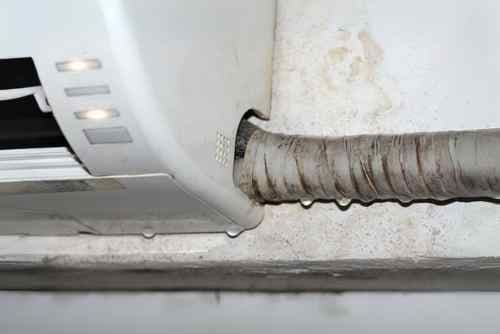
Has Your AC Suddenly Shut Off? A Clogged Condensate Drain Line Could Be the Culprit
AC won’t turn on? A clogged condensate drain line may trigger shutdowns. Learn warning signs, causes, and quick solutions to restore cooling.
January 9, 2026
Few things are more frustrating than an air conditioner that suddenly shuts off, especially on a hot day, without any obvious reason. Before assuming a major breakdown, there’s a common and often overlooked issue you should know about: a clogged condensate drain line.
This small problem can completely stop your AC system from running, but the good news is that it’s sometimes easy to fix.
When your air conditioner runs, it doesn’t just cool the air, it also removes humidity. That moisture collects on the evaporator coil and drains away through a condensate drain line, usually a small white PVC pipe located near the indoor unit, often in a closet, attic, or garage.
Over time, this drain line can become clogged with dust and dirt, algae or mold growth, and sludge buildup from normal system operation.
When the line clogs, water has nowhere to go, and that’s where the safety system comes into play.
Most modern air conditioning systems are equipped with a safety float switch. Its purpose is to prevent water damage inside your home.
When the condensate drain backs up, water begins to collect in the drain pan. As the water level rises, the float switch is triggered and automatically shuts the system down. From a homeowner’s perspective, it may look like the AC randomly stopped working, when in reality it’s protecting your home from potential water damage.
A clogged drain line often comes with warning signs. You may notice that your AC won’t turn on or shuts off unexpectedly, water pooling near the indoor unit, a musty or moldy smell coming from vents, or higher indoor humidity than normal.
If your system has completely shut down, checking the drain line is one of the first and easiest troubleshooting steps.
If you’re comfortable performing basic maintenance, there’s a quick fix you can try before calling a professional.
First, turn off your air conditioning system at the thermostat and, if possible, at the breaker. This ensures safety while you work.
Next, locate the condensate drain line near your indoor unit. Look for a small access cap on the PVC pipe. This opening allows you to treat the clog directly.
Slowly pour about one cup of white vinegar into the drain line. Vinegar helps break down algae, mold, and minor buildup inside the pipe. Let it sit for 15 to 30 minutes.
After that, go outside to where the drain line exits your home. Attach a wet/dry shop vacuum to the end of the pipe, creating a tight seal with your hand or a cloth. Run the vacuum for one to two minutes.
If water, sludge, or debris comes out, the clog has likely been cleared. If nothing comes out, the blockage may be deeper in the line.
Once finished, restore power to your system and turn the AC back on to see if it runs normally.
If your air conditioner still won’t turn on or the drain line continues to clog repeatedly, it’s time to call an HVAC professional. A technician can thoroughly flush the drain line, inspect the drain pan and float switch, identify any underlying causes, and ensure no water damage has occurred.
Ignoring ongoing drain line issues can lead to leaks, ceiling damage, mold growth, and more expensive repairs.
Preventive maintenance can significantly reduce the chances of a clogged drain line. Pouring vinegar into the line every one to three months can help keep it clear. Regularly changing air filters reduces debris entering the system. Scheduling professional AC maintenance and keeping the area around the indoor unit clean also helps prevent moisture-related problems.
If your AC suddenly shuts off for no apparent reason, a clogged condensate drain line may be the cause. While a simple DIY cleaning can sometimes restore your system, persistent clogs should always be handled by a professional.
Staying proactive with routine maintenance helps prevent unexpected shutdowns and keeps your air conditioning system running efficiently when you need it most