Why Is My AC Leaking Water Inside the House?
AC leaking water inside house? Learn what causes it, how to fix it, and when to call an HVAC pro. Avoid mold, water damage, and high repair bills with our guide.
December 4, 2025
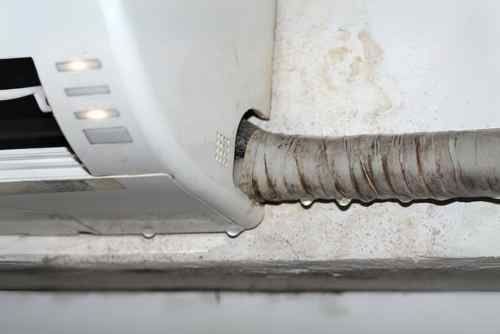
When your air conditioner is running, the last thing you expect is to find water pooling on your floor or dripping from the indoor unit. Unfortunately, an AC leaking water inside the house is a very common issue for homeowners, especially during the peak of summer.
While it might seem minor at first, this problem should never be ignored. Excess water can damage your walls, ceilings, flooring, and furniture. Worse, it creates the perfect environment for mold growth and poor indoor air quality.
By the end, you’ll understand the problem, know what’s safe to try on your own, and how to avoid future issues.
Your AC doesn’t just cool the air, it also reduces humidity from it. Here’s how the process works:
When this system works properly, you’ll never notice the water. But if any part of this process fails, water can back up and leak into your house.
This is one of the most common reasons for an AC to leak water. The moisture collected by your unit during the dehumidification process contains dirt and debris. Over time, if the condensate drain line is not cleaned, this buildup can cause a blockage. When the line is blocked, water can’t escape and instead overflows inside your home.
Preventive Tip: Pour a cup of vinegar or diluted bleach into the line every 6 months to keep it clear. Do not overdo this, as excessive bleach may cause corrosion.
When airflow is restricted or the coils get dirty, they can freeze. Once the ice melts, it produces more water than the system can handle, leading to leaks.
Preventive Tip: Replace your air filter every 30–90 days and schedule annual coil cleaning.
The drain pan collects condensation from the evaporator coil. Over time, it can crack or corrode, especially in older systems, letting water escape instead of draining properly.
Preventive Tip: During annual maintenance, ask your HVAC technician to inspect the drain pan and replace it before it becomes a problem.
When refrigerant is low, it lowers the pressure inside your AC, which can cause coils to freeze. As the ice melts, excess water spills inside your home.
Preventive Tip: Schedule regular inspections to detect refrigerant leaks early, this avoids expensive compressor damage.
If your AC wasn’t installed correctly, problems like an uneven unit or poorly connected drain lines can prevent water from draining properly.
Preventive Tip: Always hire licensed and experienced HVAC installers. Poor installation is one of the top causes of ongoing AC problems.
In humid climates, the AC must work extra hard to remove moisture from the air. If condensation builds up faster than the system can drain it away, leaks can occur.
Preventive Tip: Use exhaust fans in kitchens and bathrooms, and seal air leaks around windows and doors to keep humidity in check.
A dirty air filter blocks airflow, causing coils to get too cold and freeze. When the ice melts, it produces excess water that can overflow.
Preventive Tip: Set a reminder on your phone or calendar to check filters monthly, it’s the simplest way to prevent leaks and keep your AC efficient.
It may be tempting to place a towel under the leak and ignore it, but this can lead to serious problems:
Fixing a leaking AC can cost anywhere from $100 to $1,200, depending on the cause and severity of the problem.
Problem | Average Repair Cost (2025) |
Clearing drain line | $100 – $200 |
Replacing drain pan | $250 – $600 |
Fixing refrigerant leaks | $300 – $1,200 |
Coil cleaning | $150 – $400 |
Installation correction | $500+ |
Cost table for AC fixes
Routine maintenance ($100–$200 annually) is much cheaper than major repairs.
The best way to avoid AC water leaks is with regular maintenance. Here are some prevention tips:
Prevention not only saves you from costly repairs but also keeps your home safe from water damage.
An AC leaking water inside the house is usually a sign that something in your system isn’t working as it should. Whether it’s a clogged drain line, frozen coils, or a refrigerant issue, the key is to act quickly before it causes damage to your home.
Small maintenance tasks like changing air filters and cleaning the drain line can often fix minor problems. But for more serious issues, like refrigerant leaks or installation errors, it’s best to call a licensed HVAC technician.
Remember, what starts as a few drops of water today can turn into expensive damage tomorrow. Stay proactive with maintenance, and your AC will keep your home cool, dry, and comfortable all summer long.
December 4, 2025